In the high-stakes environments of oil refineries, chemical processing plants, and grain handling facilities, a single spark is not merely an operational hiccup—it can be a catastrophe. These areas, classified as potentially explosive atmospheres, demand equipment engineered to the highest standards of intrinsic safety. It is here that specialized industrial displays become critical, not just for operational efficiency, but for the fundamental safety of personnel and infrastructure.
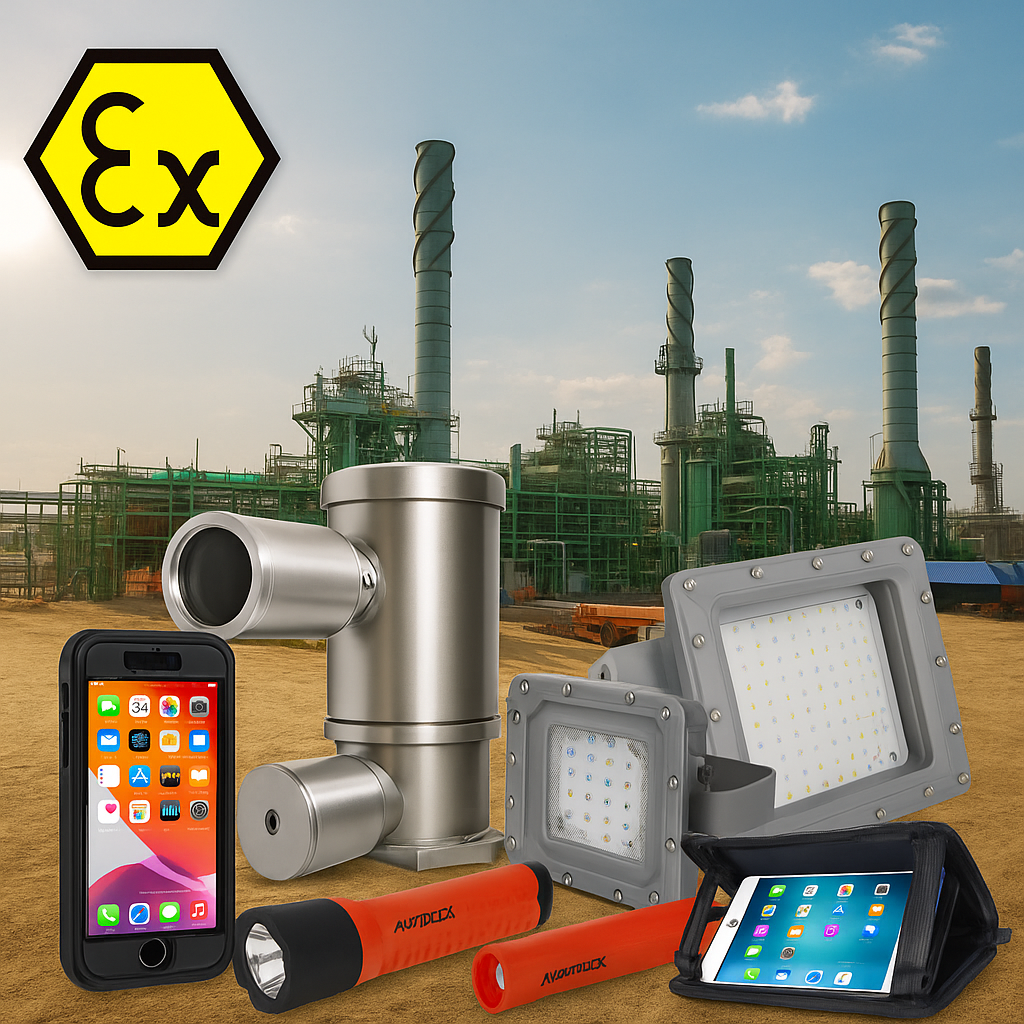
This article delves into a significant development in this field: Kyocera's recent achievement of ATEX certification for its specialized industrial displays. We will explore the profound implications of this certification, examining not just what ATEX is, but why it represents a gold standard for safety in hazardous locations. The discussion will progress to the specific technological adaptations Kyocera employed to meet these rigorous demands, the tangible benefits this brings to high-risk industries, and the broader impact on operational paradigms where safety and data visibility are inextricably linked.
The ATEX Directive: Decoding the Gold Standard for Hazardous Area Safety
The ATEX directive, derived from the French "ATmosphères EXplosives," constitutes a pair of European Union directives that meticulously govern equipment and protective systems intended for use in potentially explosive atmospheres. For a device like an industrial display to earn ATEX certification, it must undergo exhaustive testing and validation to prove it cannot become an ignition source. This involves assessing risks from electrical sparks, excessive surface temperatures, and even static electricity buildup.
Certification is not a one-size-fits-all label; it is precisely categorized. Key distinctions include the Zone classification (e.g., Zone 1 for areas where an explosive atmosphere is likely to occur occasionally during normal operation) and the Equipment Group (I for mining, II for surface industries like oil and gas). Kyocera's certification signifies that its displays are engineered to comply with these stringent requirements, providing a verifiable guarantee of safety. This formal recognition transforms the display from a standard electronic component into a certified safety device, a crucial distinction in regulated industrial settings.
Engineering for Extremes: Kyocera's Technological Adaptations
Meeting ATEX standards requires far more than a rugged exterior; it demands fundamental design philosophy changes. Kyocera's certified displays incorporate a suite of engineered solutions to eliminate ignition risks. A primary focus is containment and isolation. The display enclosure is designed to withstand internal explosions without allowing flames or hot gases to escape, effectively containing any potential fault within the device itself.
Furthermore, these displays utilize intrinsic safety principles for their electrical circuits. This involves limiting the electrical energy (both voltage and current) to levels far below what is needed to ignite a specific hazardous atmosphere, even in the event of a fault. Additional adaptations include:
-
Enhanced Sealing: Preventing ingress of flammable dust or gases that could interact with internal components.
-
Temperature Control: Ensuring surface temperatures remain below the auto-ignition point of surrounding gases or dust clouds.
-
Non-Sparking Materials: Using specific alloys and designs to prevent mechanical sparks from components like connectors or brackets.
This multi-layered approach ensures safety is baked into the product's core architecture.
Transforming Operations in High-Risk Industries
The practical value of ATEX-certified displays extends directly to the heart of operational efficiency and safety culture in sectors like oil & gas, chemicals, pharmaceuticals, and wastewater treatment. In these environments, operators rely on real-time data from control systems to manage volatile processes. Placing a standard monitor in a classified zone is prohibited and dangerous. Kyocera's certified displays solve this critical problem, enabling the safe deployment of vital human-machine interface (HMI) points directly where they are needed most.
This allows for localized control and monitoring without requiring personnel to constantly refer to control rooms located in safe areas. The benefits are multifold: faster response times to process anomalies, reduced operator movement through hazardous zones, and improved situational awareness. Furthermore, it facilitates digitalization and Industry 4.0 initiatives in areas previously limited by safety constraints, allowing for the integration of real-time visualization and data analytics directly on the plant floor, thereby bridging the gap between stringent safety protocols and modern operational intelligence.
Beyond Compliance: The Strategic Advantage of Certified Safety
While regulatory compliance is the primary driver, adopting ATEX-certified equipment like Kyocera's displays offers profound strategic advantages. First, it significantly mitigates catastrophic risk. The financial and reputational cost of an explosion dwarfs the investment in certified technology, making it a cornerstone of responsible asset protection and business continuity planning. Second, it demonstrates a tangible commitment to workforce safety, boosting employee morale and reinforcing a culture where safety is prioritized over mere convenience.
Finally, it provides future-proofing and flexibility. As process lines are reconfigured or expanded, having certified displays ensures that new control stations can be installed without re-zoning areas or implementing costly additional protective measures. This certification becomes a key enabler for operational agility. In essence, it shifts the perspective from viewing safety equipment as a cost center to recognizing it as a strategic asset that enables safer, more efficient, and more resilient operations in the world's most challenging industrial landscapes.
Kyocera's achievement of ATEX certification for its industrial displays represents a critical convergence of safety engineering and operational necessity. By decoding the rigorous ATEX standards, implementing deep-seated technological adaptations for intrinsic safety, and enabling real-time data access in hazardous locations, these displays do more than comply with regulations—they transform risk management. They empower industries handling volatile materials to enhance operational visibility while unconditionally safeguarding their most valuable assets: their people and facilities. In environments where the margin for error is zero, such certified technology is not an option; it is the foundation of intelligent and responsible industrial progress.


