In a world dominated by power-hungry LCD and OLED screens, a quiet revolution is brewing. Kyocera, the Japanese ceramics and electronics multinational, has unveiled a groundbreaking development in display technology: an energy-saving "electronic paper" display that operates without a backlight. This innovation promises to redefine the boundaries of device longevity and usability in environments where power efficiency and readability are paramount.
In a world dominated by power-hungry LCD and OLED screens, a quiet revolution is brewing. Kyocera, the Japanese ceramics and electronics multinational, has unveiled a groundbreaking development in display technology: an energy-saving "electronic paper" display that operates without a backlight. This innovation promises to redefine the boundaries of device longevity and usability in environments where power efficiency and readability are paramount.
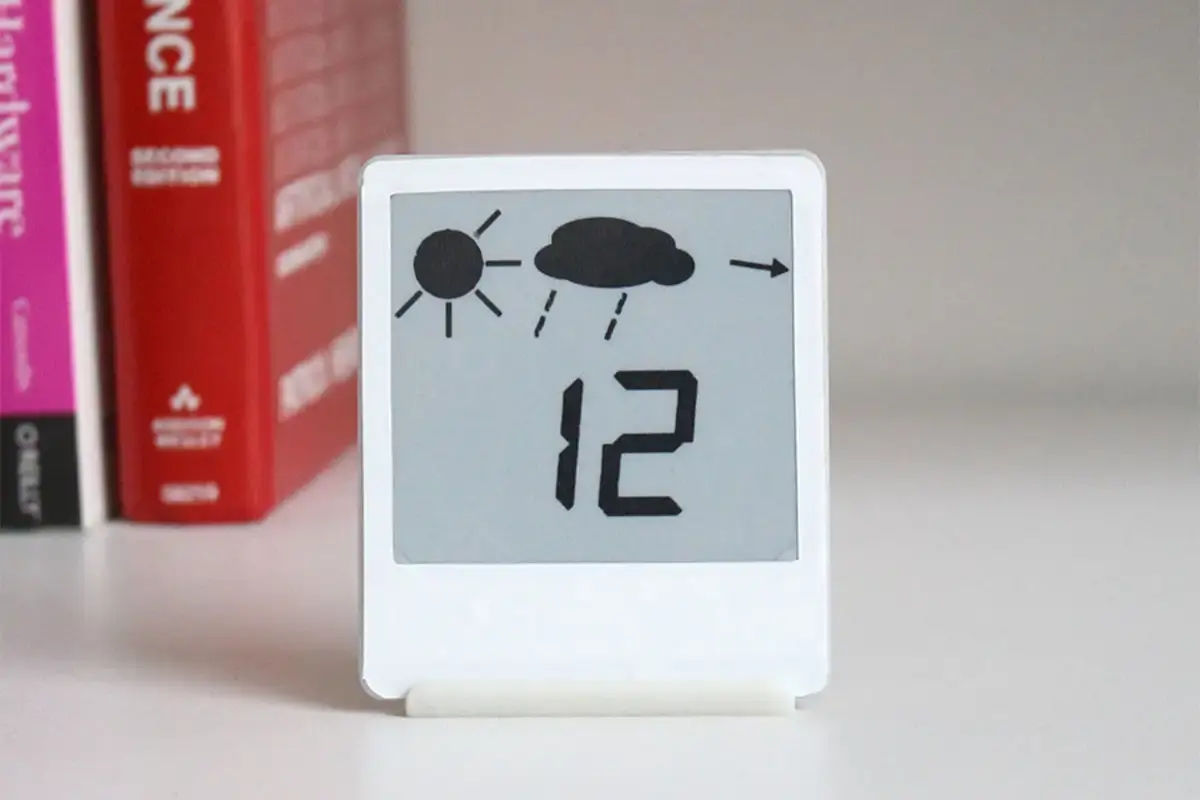
This article delves into the core technology behind Kyocera's breakthrough, exploring how it diverges from conventional displays. We will then examine its most compelling practical applications, from industrial IoT to consumer wearables, before critically analyzing the challenges it must overcome and its potential to reshape entire market segments. This is not merely a new screen, but a potential catalyst for a more sustainable and always-visible digital interface.
The Core Technology: Reflective Brilliance Without a Backlight
At the heart of Kyocera's development is a fundamental shift in how light is used. Unlike LCDs that require a constant backlight or OLEDs that emit their own light—both significant drains on battery life—this electronic paper utilizes a reflective display technology. It mimics the principle of traditional paper, relying on ambient light to illuminate the content viewed. Kyocera achieves this through an advanced electrophoretic or similar particle-based system, where tiny charged pigments are rearranged via an electric field to form text and images.
The key advancement lies in Kyocera's material science expertise, particularly in ceramics and precise electronic components. They have engineered a cell structure and driving method that reportedly offers faster refresh rates and improved grayscale performance compared to earlier e-paper, while still consuming power only during the image change. Once a static image is set, it remains visible with zero energy draw, a feature impossible for conventional screens. This creates a display that is not only ultra-low power but also exceptionally readable in direct sunlight, where glare often plagues backlit devices.
Transformative Applications: Beyond E-Readers
The implications of this technology extend far beyond the familiar realm of e-book readers. Its combination of minimal power consumption and high visibility unlocks transformative use cases. Primarily, it is poised to become the interface of choice for the Internet of Things (IoT) and industrial sensors, where devices in the field must operate for years on a single battery and display data clearly in outdoor conditions.
Consider these potential applications:
-
Smart Logistics & Retail: Always-on digital shelf labels and warehouse management tags that can update wirelessly without wiring or frequent battery changes.
-
Industrial & Healthcare Equipment: Durable, sunlight-readable gauges and diagnostic device screens that enhance reliability and safety.
-
Consumer Electronics: Secondary displays for smartphones and smartwatches that show time, notifications, or health data perpetually without crippling the main battery.
-
Public Infrastructure: Low-maintenance information boards in transportation hubs or outdoor facilities.
This positions Kyocera's screen not as a direct competitor to vibrant multimedia displays, but as a specialized, enabling technology for a more seamlessly integrated and energy-conscious world.
Market Impact and Future Trajectory
While the promise is immense, the path to widespread adoption involves navigating specific challenges. The current limitations of color vibrancy, video refresh rates, and potentially higher initial cost compared to basic LCDs mean the technology will find its niche before potentially expanding. Kyocera's role as a component manufacturer suggests its success hinges on partnerships with device OEMs across various industries to integrate this screen into their next-generation products.
The broader market impact, however, could be profound. By providing a viable, high-performance alternative for static-information applications, this technology pressures the entire display industry to prioritize energy efficiency. It aligns perfectly with global ESG (Environmental, Social, and Governance) initiatives, enabling companies to reduce the carbon footprint of their deployed digital devices. If Kyocera can scale production and continue to improve performance metrics like color and refresh rate, this "electronic paper" could evolve from a niche player to a standard feature in our increasingly battery-dependent and environmentally-aware ecosystem, carving out a significant and sustainable segment in the display market.
Kyocera's backlight-free electronic paper display represents a significant leap in purposeful display engineering, prioritizing ultra-low power consumption and readability over raw pixel performance. Its true value lies in enabling new classes of always-on, sustainable devices for the IoT, industrial, and specialized consumer sectors. While challenges in color and motion remain, its potential to reduce energy waste and enhance functionality in sunlight is undeniable. This innovation is less about replacing the screens we watch videos on, and more about seamlessly integrating essential information into the physical world around us, marking a thoughtful step towards a more efficient and less intrusive digital future.


