In the demanding environments of public kiosks and industrial control systems, display failure is not merely an inconvenience—it is a critical point of operational vulnerability. Recognizing this, Kyocera has engineered a new class of impact-resistant displays that fundamentally rethink durability.
In the demanding environments of public kiosks and industrial control systems, display failure is not merely an inconvenience—it is a critical point of operational vulnerability. Recognizing this, Kyocera has engineered a new class of impact-resistant displays that fundamentally rethink durability. This article delves into the sophisticated fusion of reinforced glass and specialized cushioning at the heart of these displays, exploring how this technology is engineered to withstand relentless physical stress, ensure continuous operation, and redefine reliability standards for public and industrial interfaces.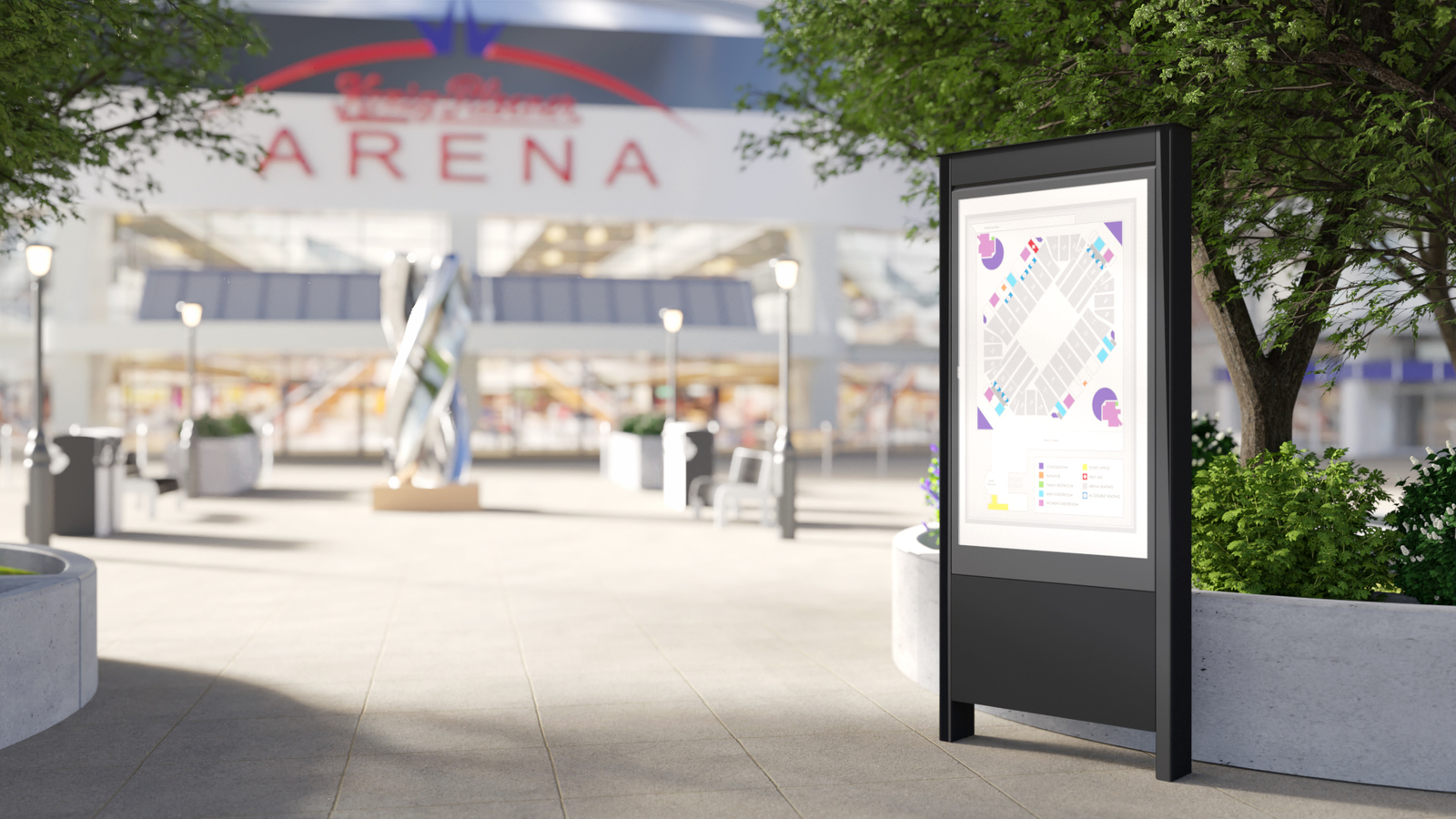
The Unforgiving Arena: Why Standard Displays Fail
The public and industrial landscapes present a perfect storm of hazards for conventional displays. Public kiosks face intentional vandalism, accidental bumps from bags or elbows, and constant environmental exposure. Industrial settings add further perils: tool drops, machinery vibration, and particulate contamination. Standard consumer-grade panels, with their fragile glass substrates and minimal structural support, are ill-equipped for such abuse. A single impact can lead to catastrophic failure—spider-web cracks, dead pixels, or complete blackout—resulting in costly downtime, service calls, and compromised safety or customer service. This vulnerability highlights a significant market gap: the need for a display that is not just a visual interface, but a ruggedized component.
Architecting Resilience: The Dual-Core Defense Philosophy
Kyocera's solution moves beyond mere thickening of glass. It adopts a holistic, systems-engineering approach centered on a dual-core defense philosophy. The first line of defense is the surface material itself, designed to absorb and disperse impact energy. The second, and equally critical, is an internal suspension system that isolates and protects the delicate LCD module and electronics from transmitted shock. This philosophy acknowledges that a rigid, unyielding structure can still fail; true resilience requires a combination of hardness to resist penetration and elasticity to dissipate force. This layered strategy ensures that protection is active at both the point of contact and throughout the device's internal ecosystem.
Fortified Surface: The Science of Reinforced Glass
At the forefront is Kyocera's proprietary reinforced glass. This is not ordinary soda-lime glass but a chemically or thermally treated material with a compressed surface layer. This process creates a state of high compressive stress on the surface, making it exceptionally difficult for micro-cracks to initiate and propagate. When an impact occurs, the glass is engineered to disperse the force across a wider area, significantly raising the threshold for damage. Compared to standard cover glass, this reinforced variant offers:
-
Multiple times higher resistance to cracking from direct impacts.
-
Superior scratch resistance, maintaining optical clarity after abrasive contact.
-
Enhanced compatibility with touch technologies, even under duress.
This fortified surface acts as a formidable shield against the most common front-line threats.
Intelligent Cushioning: The Hidden Shock Absorption System
While the hard exterior handles surface trauma, Kyocera's special cushioning technology manages the energy that gets through. This involves strategically placed, viscoelastic damping materials within the display assembly. These materials are precisely formulated to have both viscous (energy-absorbing) and elastic (shape-recovering) properties. They are positioned between the cover glass, the LCD panel, the backlight unit, and the frame. Upon impact, these cushions deform to absorb kinetic energy, preventing it from reaching and damaging the fragile internal components. This system is crucial for surviving the high-G shocks from corner impacts or drops, which are often more damaging than a direct frontal hit.
Beyond the Single Impact: Engineering for Long-Term Endurance
Durability is not just about surviving one major event; it's about enduring a cumulative lifetime of stress. Kyocera's design is rigorously tested for long-term endurance. This includes resistance to sustained vibration in factory settings, which can loosen connections and fatigue materials. The cushioning system plays a vital role here, dampening resonant frequencies that could harm solder joints or connectors. Furthermore, the entire assembly is engineered to withstand wide temperature fluctuations and humidity, preventing delamination or fogging. This focus on total operational lifespan ensures the display remains functional and legible for years, not just until the first accident, reducing the total cost of ownership.
Transforming Industries: Applications and Tangible Value
The practical implications of this technology are profound. In public transit kiosks and self-service retail terminals, these displays minimize revenue loss from vandalism and reduce maintenance frequency. For industrial control systems on factory floors or in logistics hubs, they prevent catastrophic downtime by ensuring operators always have a clear, functional interface to monitor and control processes. The value extends to:
-
Enhanced Safety: Uninterrupted display of critical information in hazardous environments.
-
Operational Continuity: Maximizing uptime for revenue-generating or essential service equipment.
-
Lower Total Cost: Drastically reducing repair, replacement, and service labor costs over the device's life.
This transforms the display from a consumable part into a reliable, long-term asset.
Kyocera's development of impact-resistant displays represents a significant leap in hardening technology for mission-critical interfaces. By masterfully integrating reinforced glass with a sophisticated internal cushioning matrix, they have created a solution that addresses both immediate impact and long-term operational fatigue. This engineering goes beyond product specification—it delivers tangible reliability, ensuring that public services and industrial processes remain operational under challenging conditions. For integrators and end-users alike, this innovation sets a new benchmark, where display durability is no longer an afterthought but a foundational requirement for design.


