In the high-stakes world of aviation, where every component is critical to safety, the selection of cockpit display technology is a decision of paramount importance. Kyocera Corporation has recently announced that its high-reliability displays have been chosen for integration into a new civil aircraft cockpit system.
In the high-stakes world of aviation, where every component is critical to safety, the selection of cockpit display technology is a decision of paramount importance. Kyocera Corporation has recently announced that its high-reliability displays have been chosen for integration into a new civil aircraft cockpit system. This selection is not merely a procurement win; it is a powerful testament to the displays' proven performance under the most demanding environmental and operational conditions.
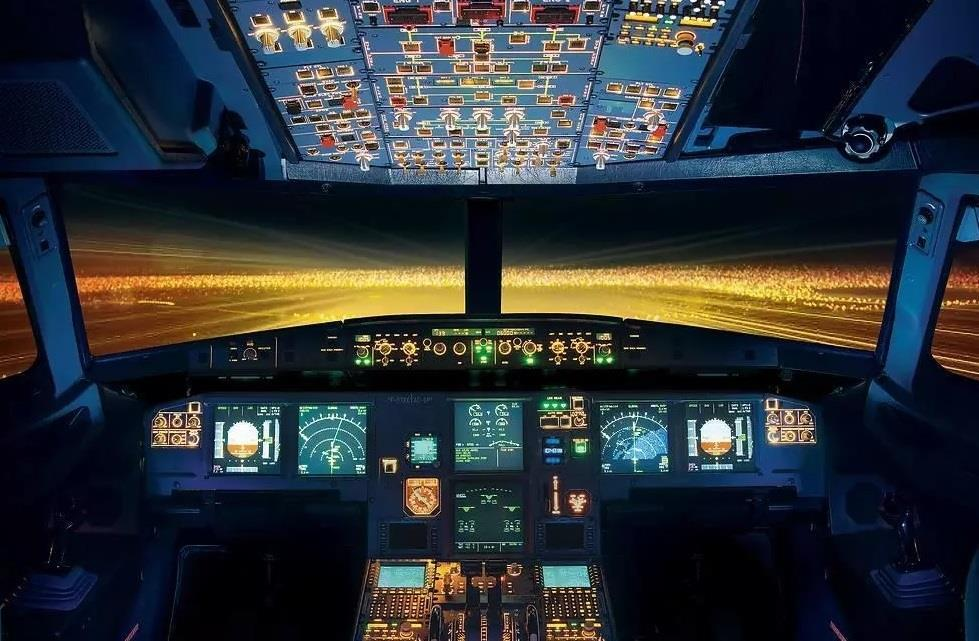
This article delves into the significance of this adoption, exploring the technological foundations of Kyocera's displays, the extreme challenges of the cockpit environment they are built to conquer, and the broader implications this partnership holds for the future of aviation safety and design.
The Engineering Pillars of Unshakeable Reliability
Kyocera's selection stems from a deep-seated engineering philosophy that prioritizes resilience over mere functionality. These displays are built upon several core technological pillars designed to eliminate failure points. First is the use of robust materials and bonding techniques that ensure structural integrity across vast temperature fluctuations, from the frigid cold of high altitude to the heat generated by prolonged operation.
Secondly, the displays incorporate advanced sealing technologies that provide an impervious barrier against moisture, dust, and other contaminants. This is crucial for maintaining optical clarity and electrical functionality in all conditions. Furthermore, Kyocera employs rigorous screening and testing protocols for all electronic components, far exceeding standard industrial grades. This "high-reliability" moniker is earned through a process that identifies and eliminates potential infant mortality failures, ensuring that only the most durable components are integrated into the final display module. The result is a product that doesn't just perform; it endures.
Conquering the Extreme Cockpit Environment
The civil aircraft cockpit is a uniquely hostile environment for electronics, presenting a symphony of stresses that test the limits of any display system. Kyocera's solutions are specifically engineered to meet and exceed these challenges. They must maintain flawless performance under intense vibration and shock during takeoff, landing, and turbulence, where even minor pixel flicker or connection loss is unacceptable.
Equally critical is their performance across a wide operational temperature range, often from -40°C to +85°C and beyond. Bright sunlight directly on the screen creates high ambient light and thermal load, demanding exceptional sunlight readability and heat dissipation to prevent washout or thermal shutdown. The displays must also resist electromagnetic interference (EMI) from the dense array of onboard communication and navigation systems, ensuring that critical flight data is presented without distortion or error. By mastering these extremes, Kyocera's displays become a transparent, utterly dependable window to vital aircraft systems.
Elevating Aviation Safety and System Design Philosophy
The integration of such high-reliability components has a profound impact that extends beyond the display unit itself. Primarily, it represents a significant contribution to overall aviation safety. Pilots' absolute trust in their primary flight displays is non-negotiable; these units are the central source of situational awareness. Kyocera's proven stability directly supports this trust, reducing the risk of display-related incidents.
From a design perspective, this selection influences the entire cockpit system architecture. Engineers gain greater flexibility, knowing the display subsystem is not a weak link. This can allow for:
-
Longer certification cycles: Reduced need for frequent display unit replacements or upgrades.
-
Enhanced system longevity: Alignment with the decades-long service life of modern aircraft.
-
Streamlined maintenance: Lower failure rates translate to higher operational availability and reduced lifecycle costs.
Thus, the choice sets a new benchmark, encouraging a system-wide philosophy where reliability is designed in from the outset.
Kyocera's entry into a new civil aircraft cockpit system underscores a critical truth in aerospace innovation: true advancement is measured not just by new features, but by demonstrable resilience. By fusing rigorous engineering with a deep understanding of the cockpit's extreme demands, Kyocera has provided a display solution that offers more than brilliant images—it offers unwavering confidence. This partnership highlights an industry trajectory where proven reliability under stress becomes the most valuable feature, ultimately contributing to the safer, more dependable future of global air travel.


