In the dynamic and demanding environment of the smart factory, the ability to visualize and interact with real-time production data is not merely an advantage—it is a critical operational necessity. This relentless drive for efficiency and uptime has propelled a specific category of hardware to the forefron
In the dynamic and demanding environment of the smart factory, the ability to visualize and interact with real-time production data is not merely an advantage—it is a critical operational necessity. This relentless drive for efficiency and uptime has propelled a specific category of hardware to the forefront: rugged industrial displays. Among these, Kyocera's range of rugged displays is experiencing widespread adoption within smart factory terminals, becoming the silent, resilient backbone of the digital shop floor.
The convergence of Industrial IoT (IIoT) and advanced manufacturing demands a human-machine interface (HMI) that can withstand what typical commercial screens cannot. Kyocera's displays are engineered precisely for this battleground, enabling a seamless flow of information from machine sensors to operator eyes, thereby closing the loop in real-time process control and decision-making.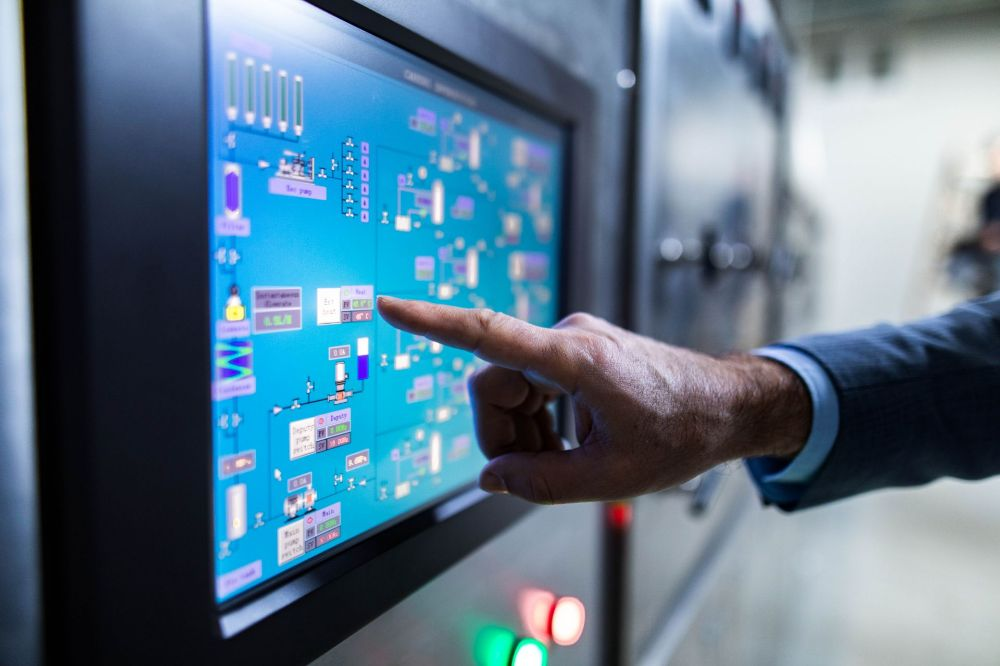
The Imperative for Ruggedness in Data-Centric Manufacturing
The foundation of any smart factory is data—streaming in from sensors, PLCs, and vision systems. The terminal that presents this data must be as reliable as the data itself. Kyocera's displays are built to meet stringent industrial standards, featuring robust construction that resists common shop-floor hazards. This includes resistance to vibrations from heavy machinery, temperature extremes in foundries or cold storage, and ingress from dust, oils, and high-pressure water jets (often rated IP65 or higher).
This inherent ruggedness translates directly to operational continuity. A display failure in a critical control point can halt a production line, leading to significant downtime and cost. By deploying terminals equipped with Kyocera's rugged displays, manufacturers mitigate this risk. The durability ensures that the vital window into production metrics—Overall Equipment Effectiveness (OEE), yield rates, and machine status—remains open continuously, supporting a proactive rather than reactive maintenance and management culture.
Enhancing Real-Time Decision-Making with Superior Visual Clarity
Ruggedness alone is insufficient if the display fails to communicate complex data effectively. The second pillar of Kyocera's adoption lies in its optical performance engineered for clarity under adverse conditions. These displays often incorporate high-brightness panels (exceeding 1000 nits) to remain readable in direct sunlight or under harsh factory lighting, eliminating glare and washout that could obscure critical alerts or fine details on schematics.
Furthermore, features like optical bonding—a process that laminates the touch panel directly to the LCD—reduce internal reflection and condensation, enhancing contrast and readability from wider angles. This optical excellence is crucial for real-time visualization. When an operator monitors a real-time dashboard showing production flow or a quality control chart, there is no room for misinterpretation. The clarity ensures that subtle trends, immediate faults, or color-coded warnings are instantly and accurately perceived, enabling faster, more confident interventions that optimize quality and throughput.
Integration and Longevity: The Strategic Value Proposition
Beyond physical and optical robustness, the widespread integration of Kyocera's displays into smart factory terminals speaks to their strategic value in a long-term digital transformation. These components are designed for seamless integration with a wide ecosystem of industrial hardware and software, supporting various touch technologies (including gloved and wet-hand operation) and communication interfaces.
This interoperability future-proofs the investment. As production lines evolve with new IoT sensors or software updates, the rugged display terminal remains a constant, reliable interface. Moreover, Kyocera's reputation for longevity and stable product lifecycles aligns perfectly with the multi-year, even decade-long, depreciation schedules of industrial capital equipment. Manufacturers are not just purchasing a screen; they are investing in a durable data visualization asset that reduces total cost of ownership, minimizes lifecycle disruptions, and reliably supports the factory's evolving data narrative for years to come.
Kyocera's rugged displays have become a cornerstone of the modern smart factory not by accident, but by directly addressing its core demands. They provide the essential bridge between volatile physical processes and stable digital oversight, ensuring that real-time data is always accessible, interpretable, and actionable. By combining unmatched durability with exceptional clarity and long-term integration potential, these displays empower manufacturers to build more resilient, efficient, and intelligent operations. In the quest for manufacturing excellence, a reliable view of the data is the first step toward mastery, and Kyocera's technology is proving to be the lens of choice.


