In the dynamic world of urban mobility, smart bike-sharing systems represent a critical intersection of convenience and public infrastructure. A key yet often overlooked component is the humble bike lock, which must communicate vital information to users via displays that endure relentless outdoor punishment.
In the dynamic world of urban mobility, smart bike-sharing systems represent a critical intersection of convenience and public infrastructure. A key yet often overlooked component is the humble bike lock, which must communicate vital information to users via displays that endure relentless outdoor punishment. This article delves into a pioneering solution: the integration of Kyocera's rugged, weather-resistant displays into next-generation smart bike locks. We will explore how this technology not only ensures reliable QR code access and real-time status updates under the blazing sun and pouring rain but also serves as a foundational element for enhancing user trust, operational efficiency, and the long-term sustainability of shared micro-mobility networks.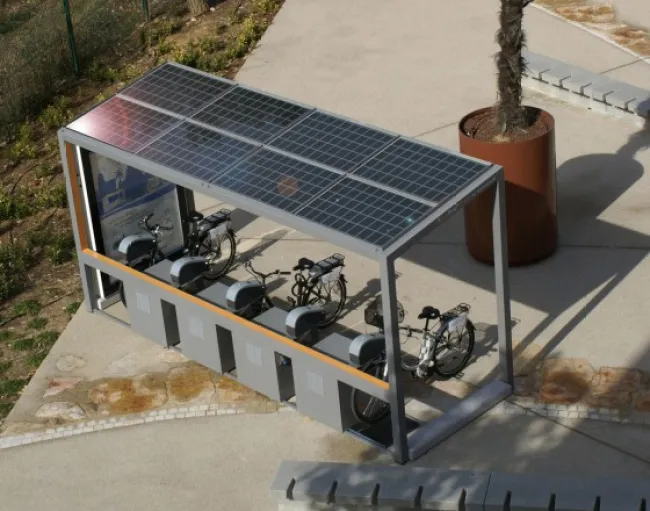
The Harsh Reality: Outdoor Displays as a Critical Failure Point
Traditional electronic components are ill-suited for the demanding life of a public bike. Smart locks require a visible interface for users to scan QR codes and see availability or error status. Standard displays, however, quickly succumb to a relentless assault of environmental stressors. Ultraviolet radiation causes colors to fade and materials to degrade, while wide temperature swings from freezing winters to scorching summers can lead to delamination and slow response times. The most common culprit for failure is moisture ingress—from rain, humidity, or even morning dew—which leads to short circuits and permanent damage. This results in a poor user experience, increased maintenance costs, and a higher rate of "dead" bikes in the system, undermining the very reliability that bike-share programs promise to deliver.
Kyocera's Engineering Answer: Built for Elemental Endurance
Kyocera addresses these challenges head-on with displays engineered from the ground up for extreme environments. The core technology involves a hermetically sealed construction that prevents water and dust ingress, typically achieving IP65 or higher ratings. The optical bonding process eliminates the air gap between the touch panel and the LCD, which not only improves sunlight readability by reducing glare but also prevents internal condensation. Furthermore, these displays utilize materials and liquid crystal formulations specifically designed to withstand prolonged UV exposure without fading and to operate across a vast temperature range, from sub-zero to high heat. This isn't merely a protective casing; it's a fundamental re-engineering of the display module for permanent outdoor life.
Seamless Integration: The Smart Lock's Communication Hub
Within the smart lock ecosystem, the Kyocera display functions as the primary user communication hub. Its resilience enables two critical functions. First, it reliably presents a crisp, scannable QR code at all times, which is the gateway for user authentication and unlocking via a smartphone app. Second, it provides clear, at-a-glance status updates using icons or text: a green bike for "available," a red lock for "in use," or a warning symbol for "maintenance needed." This immediate visual feedback is invaluable, eliminating user frustration and confusion. The display's ruggedness ensures these functions persist, turning each lock into a dependable point of interaction that works identically on a rainy evening as it does on a sunny afternoon.
Beyond Durability: Driving Operational and Business Efficiency
The impact of a reliable display extends far beyond user convenience, directly influencing the bottom line and operational flow of bike-share operators. By drastically reducing display-related failures, operators experience a significant drop in maintenance visits and part replacements. This translates to:
-
Lower Total Cost of Ownership: Fewer truck rolls, less technician time, and reduced inventory of spare parts.
-
Higher Asset Utilization: More bikes are in serviceable, revenue-generating condition at any given time.
-
Data Integrity: Reliable status transmission back to the central management system allows for accurate bike location and availability data, optimizing redistribution logistics.
The display, therefore, shifts from a cost center to a strategic component that enhances system-wide efficiency and profitability.
The User Experience Revolution: Building Trust in Shared Mobility
In the competitive landscape of urban transit, trust is the ultimate currency. A bike-share system that consistently works builds user loyalty and encourages repeat ridership. Kyocera's weather-proof displays are fundamental to this trust equation. When a user approaches a bike, they receive immediate, legible confirmation that it is operational. There's no guessing, no wiping a foggy screen, or struggling with a glitched display. This seamless, frictionless interaction—scan, see, go—creates a positive brand association. It reassures users that the technology is robust and the service is dependable, which is essential for converting casual users into regular commuters and advocates for sustainable urban mobility
.
Future-Proofing Mobility: A Platform for Smarter Cities
The deployment of such ruggedized interfaces lays the groundwork for the future evolution of smart city infrastructure. A durable, always-on display on a bike lock is more than just a lock screen; it's a potential node in a connected urban network. Future iterations could leverage this platform for:
-
Dynamic advertising or public service announcements.
-
Integration with city-wide transportation apps for multi-modal journey planning.
-
Environmental sensing, providing hyper-local data on air quality or temperature.
By solving the basic challenge of survivability today, Kyocera's technology provides a stable hardware foundation upon which smarter, more interactive, and more valuable urban services can be built tomorrow.
Kyocera's weather-resistant displays represent a critical, behind-the-scenes innovation that directly addresses the core reliability challenges of smart bike-share systems. By engineering displays that triumph over sun, rain, and temperature extremes, they transform the smart lock from a vulnerable component into a dependable communication hub. This technological resilience cascades into tangible benefits: enhanced user trust through flawless interactions, significant operational savings for providers, and a robust platform for future smart city applications. Ultimately, the success of shared mobility hinges on such unseen yet fundamental engineering excellence, proving that in the quest for smarter cities, durability is not just a feature—it is the very foundation of seamless urban living.


