In the demanding world of rail and commercial vehicle transportation, electronic components are subjected to a relentless barrage of physical stress. Extreme vibrations, dramatic temperature swings, and unstable power conditions are the norm, not the exception. For display technologies that serve as the critical interface between operator and machine, failure is not an option.
In the demanding world of rail and commercial vehicle transportation, electronic components are subjected to a relentless barrage of physical stress. Extreme vibrations, dramatic temperature swings, and unstable power conditions are the norm, not the exception. For display technologies that serve as the critical interface between operator and machine, failure is not an option. This is where industry certifications move from being a technical footnote to a fundamental mark of trust.
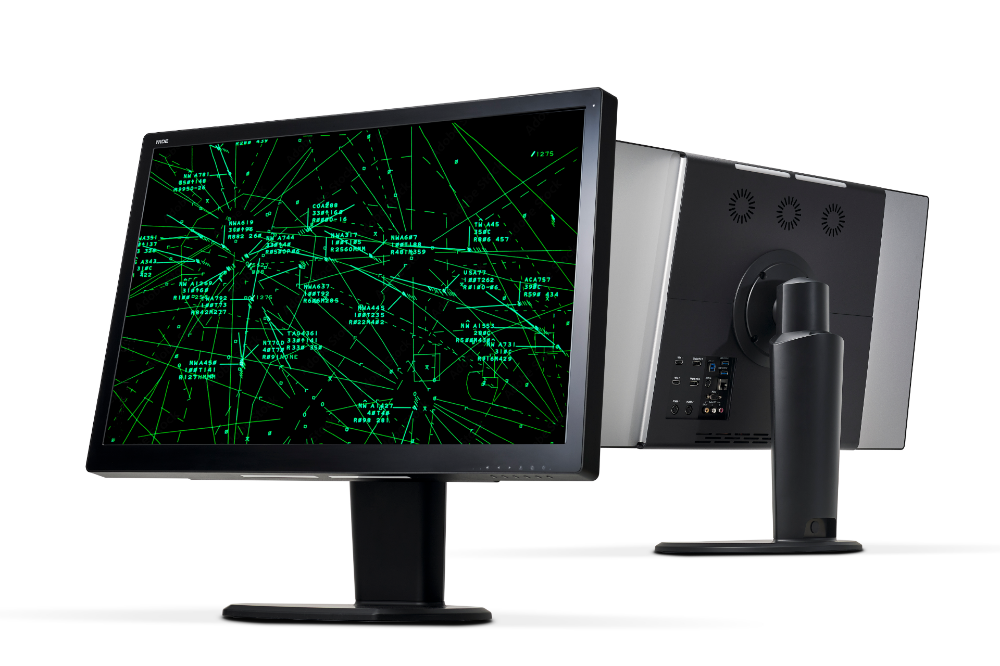
Kyocera's recent achievement of the rigorous EN50155 certification for its specialized vehicle displays is a significant milestone that speaks directly to this need for absolute reliability. This article delves into what this certification truly means, exploring how Kyocera's engineering translates a standard on paper into robust performance on the rails, and why this matters for the future of transportation technology.
Decoding EN50155: The Gold Standard for Railway Electronics
The EN50155 standard is far more than a simple checklist; it is a comprehensive qualification for survival in the railway environment. It meticulously defines the operational requirements for electronic equipment used on rolling stock, creating a common benchmark for reliability across Europe and globally. The certification process subjects products to a battery of extreme tests that simulate a lifetime of harsh service.
Key challenges addressed by EN50155 include:
-
Extended Temperature Ranges: Equipment must operate flawlessly within specified limits, often from -25°C to +70°C, and withstand even wider storage temperatures.
-
Severe Vibration and Shock: Devices are tested to endure the constant, high-frequency vibrations of moving vehicles and sudden mechanical shocks from coupling or track irregularities.
-
Electrical Stress: The standard mandates immunity to power supply variations, surges, and interruptions common in vehicle electrical systems, ensuring stable operation.
-
Long-Term Reliability: It encompasses requirements for durability, mean time between failures (MTBF), and consistent performance over the product's lifespan.
By earning this certification, Kyocera's displays prove they are designed from the ground up to meet these formidable challenges, providing system integrators and operators with a verified foundation of trust.
Engineering Resilience: How Kyocera's Displays Withstand the Assault
Meeting the EN50155 standard is not achieved through incremental improvements but through fundamental, purpose-driven engineering. Kyocera's approach integrates robustness at every level, from component selection to system architecture. The displays employ ruggedized construction, often featuring strengthened frames and shock-absorbing mounts to dissipate vibrational energy before it can damage sensitive internal components like the LCD panel and backlight system.
Thermal management is another critical frontier. Kyocera utilizes advanced materials and design techniques to ensure efficient heat dissipation from internal drivers and processors, preventing overheating in confined, sun-exposed cabins. Conversely, specialized optical bonding techniques—where the touch panel, cover glass, and LCD are laminated together—not only enhance sunlight readability but also prevent internal condensation in cold, humid environments. This holistic design philosophy ensures the display remains a reliable visual interface whether traversing a desert or a mountain pass, without ghosting, dimming, or physical failure.
Beyond Compliance: The Operational Impact in Real-World Transit
The true value of this engineered reliability transcends certification documents; it manifests in tangible operational benefits for fleet operators and passengers alike. First and foremost is enhanced safety and uptime. A display that does not flicker, freeze, or fail under stress ensures continuous access to vital information—be it diagnostics, camera feeds, or route schedules—allowing crews to maintain situational awareness and operational control.
Secondly, it translates to significant reductions in total cost of ownership. The extended product lifespan and high MTBF reduce the frequency and cost of replacements and repairs. More importantly, it minimizes costly vehicle downtime and service disruptions. Furthermore, the standardization implied by EN50155 simplifies the procurement and integration process for vehicle manufacturers, knowing the displays will perform predictably in their ecosystem. This reliability becomes a cornerstone for deploying more advanced, interconnected passenger information and telematics systems, paving the way for smarter, more efficient public and freight transportation networks.
Kyocera's EN50155 certification is a powerful testament to a design philosophy that prioritizes unwavering reliability in the face of extreme environmental challenges. It signifies that these are not merely commercial displays adapted for vehicles, but purpose-built instruments engineered to thrive where others might fail. For the transportation industry, this commitment translates directly into safer operations, greater fleet availability, and a stronger foundation for technological innovation. In an era where transit systems demand smarter and more resilient infrastructure, such certified reliability is not just a feature—it is an essential prerequisite for progress.


