In an era where global supply chains face unprecedented disruptions, strategic localization of critical manufacturing processes has emerged as a key corporate imperative. Kyocera Corporation, a leading Japanese multinational, is making a decisive move in this direction by significantly expanding its back-end display module production capacity within Japan.
In an era where global supply chains face unprecedented disruptions, strategic localization of critical manufacturing processes has emerged as a key corporate imperative. Kyocera Corporation, a leading Japanese multinational, is making a decisive move in this direction by significantly expanding its back-end display module production capacity within Japan. This initiative transcends a simple capacity increase; it represents a calculated strategic pivot designed to fortify supply chain resilience for its global clientele.
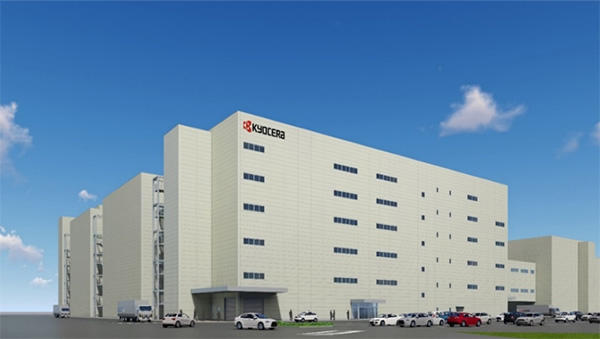
By deepening its domestic production roots for these essential components, Kyocera aims to mitigate risks associated with geopolitical tensions, logistical bottlenecks, and unforeseen global events. This article delves into the multifaceted rationale behind this expansion, exploring its implications for supply chain security, technological synergy, and the broader competitive landscape in the electronics industry.
Building a Fortress of Supply Chain Security
Kyocera's expansion is fundamentally a response to the vulnerabilities exposed in complex, geographically dispersed supply networks. Back-end display modules, which involve critical processes like bonding drivers to glass substrates and performing final inspections, are pivotal in determining the final quality and delivery timeline of display products. By relocating and amplifying this capacity to Japan, Kyocera creates a controlled, high-reliability production hub close to its core engineering and R&D teams.
This move directly addresses several pain points: it shortens lead times for key customers, reduces dependency on single-region manufacturing, and provides a buffer against international trade uncertainties. In essence, Kyocera is not just building a factory; it is constructing a strategic insurance policy for its global delivery commitments. This enhanced control over a crucial production stage allows for more predictable scheduling and faster response to market fluctuations, turning supply chain resilience into a tangible competitive advantage.
Synergizing Advanced Manufacturing and R&D
The decision to expand in Japan is deeply intertwined with Kyocera's technological philosophy. Proximity to its premier Japanese R&D centers enables a seamless, iterative feedback loop between the back-end module production line and its developers of fine ceramics, semiconductor components, and cutting-edge display technologies. This synergy accelerates the implementation of advanced process innovations and stringent quality control protocols that are hallmarks of Japanese precision manufacturing.
Furthermore, domestic production facilitates the integration of proprietary technologies—such as those derived from Kyocera's expertise in ceramics and sensors—directly into the module assembly process. This co-development environment fosters unique product differentiations that are difficult to replicate in outsourced, cost-centric manufacturing models. The expansion, therefore, is as much about protecting and enhancing technological integrity and innovation speed as it is about logistics, ensuring that supply chain stability does not come at the expense of product excellence.
Redefining Global Strategy Through Strategic Localization
Kyocera's move reflects a nuanced evolution in global corporate strategy, often termed "strategic localization" or "China Plus One." It is not an abandonment of global manufacturing but an intelligent reconfiguration to optimize for risk management and value creation. This expansion allows Kyocera to offer clients a dual-axis value proposition: the cost-efficiency of its established overseas facilities combined with the premium security, speed, and technological assurance of its fortified Japanese supply chain.
This rebalancing act positions Kyocera to cater to diverse market segments, from high-volume consumer electronics to mission-critical industrial, automotive, and medical displays where reliability is paramount. By publicly strengthening its domestic production backbone, Kyocera also sends a strong market signal about its long-term commitment to stable partnerships. It proactively sets a new industry benchmark, compelling competitors to reevaluate their own supply chain strategies in the pursuit of true resilience.
Kyocera's expansion of back-end display module production in Japan is a strategic masterstroke that addresses the core challenges of modern manufacturing. It seamlessly intertwines the goals of robust supply chain security, accelerated technological innovation, and responsive global delivery. By investing in strategic localization, Kyocera transforms potential vulnerability into a definitive strength, offering clients not just components, but certainty. This forward-looking approach underscores that in today's volatile landscape, the most resilient and reliable supply chains are those built on a foundation of strategic control and technological synergy.


