In a strategic move to solidify its position in the global electronics supply chain, Kyocera Corporation has announced a significant capacity expansion for its display module production at its Southeast Asian bases. This decision comes as a direct response to the surging, multifaceted demand for high-performance displays across industries from automotive and industrial automation to next-generation consumer devices
In a strategic move to solidify its position in the global electronics supply chain, Kyocera Corporation has announced a significant capacity expansion for its display module production at its Southeast Asian bases. This decision comes as a direct response to the surging, multifaceted demand for high-performance displays across industries from automotive and industrial automation to next-generation consumer devices. The expansion is more than a simple scaling of output; it represents a calculated realignment of Kyocera's manufacturing footprint to enhance resilience, agility, and proximity to key growth markets.
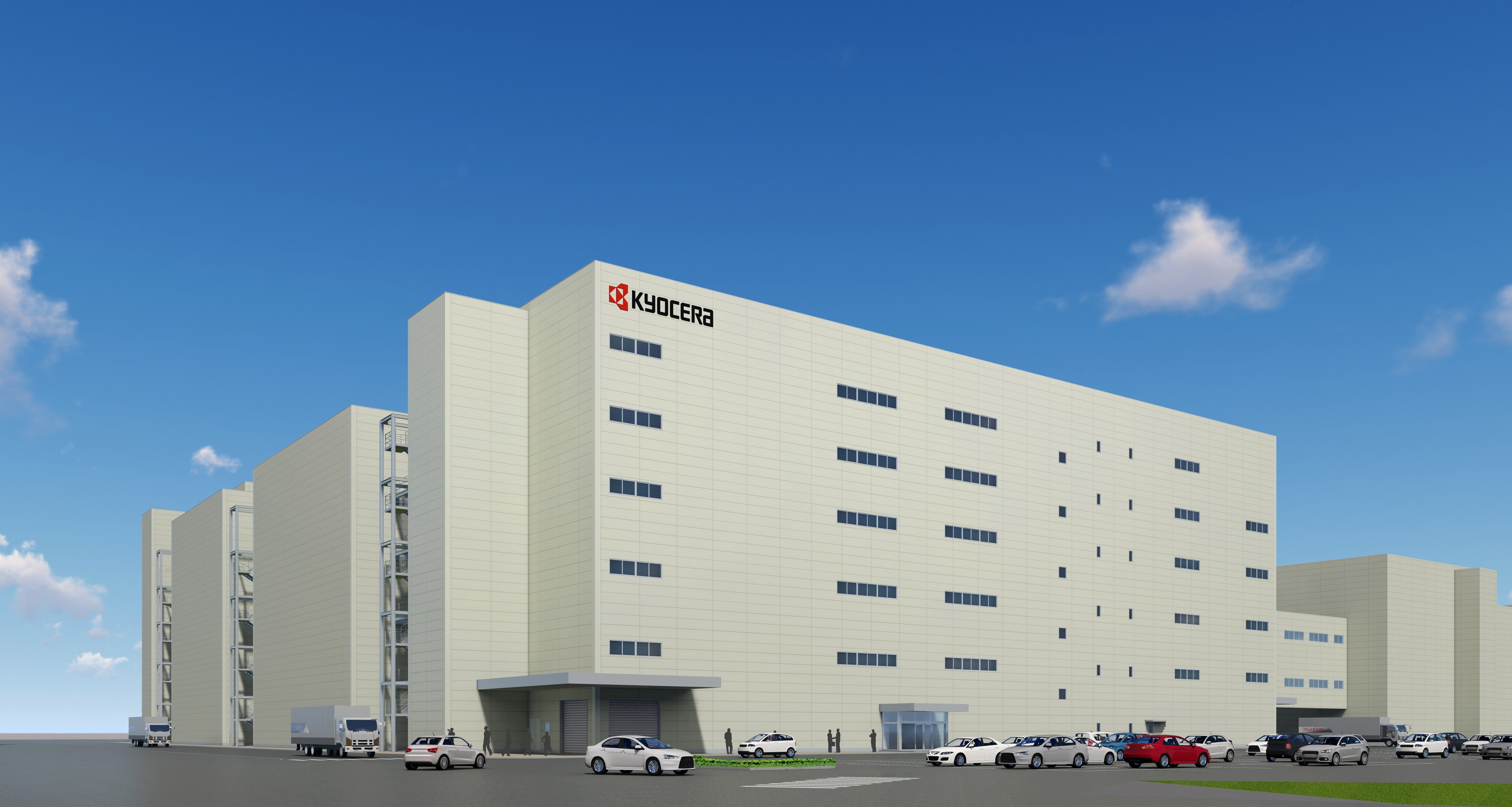
By investing heavily in Thailand and Vietnam, Kyocera is not just adding production lines but fundamentally strengthening its regional supply chain ecosystem. This move mitigates risks associated with geographic concentration and leverages the region's established infrastructure and skilled workforce.
Decoding the Demand Surge: Beyond Screens to Strategic Components
The impetus for Kyocera's expansion is rooted in a profound market shift. Display modules are no longer mere output panels; they have evolved into critical human-machine interfaces (HMIs) and integral system components. In the automotive sector, the proliferation of digital cockpits, heads-up displays, and center console screens per vehicle is accelerating. Simultaneously, the industrial sector demands robust, high-visibility displays for control systems, IoT devices, and medical equipment, often requiring specific characteristics like sunlight readability and extended temperature tolerance.
Kyocera's strength lies in its vertical integration, combining expertise in ceramics, electronics, and optics. Their display modules often incorporate proprietary technologies for enhanced durability and optical performance. The growing demand, therefore, is for these value-added, engineered solutions, not commodity screens. This expansion ensures Kyocera can meet the volume requirements of global OEMs while maintaining the technical sophistication and reliability that define its product portfolio.
Strategic Imperatives: Why Southeast Asia is the Focal Point
Choosing Southeast Asia for this capacity hike is a masterstroke in geopolitical and economic logistics. The region offers a compelling alternative for "China Plus One" sourcing strategies pursued by multinational corporations worldwide. By ramping up in Thailand and Vietnam, Kyocera positions itself closer to a massive wave of manufacturing activity, particularly in automotive and electronics assembly, reducing logistics costs and lead times for key customers.
Furthermore, this diversification enhances supply chain continuity and risk management. It provides a buffer against regional disruptions and trade policy fluctuations. The expansion also allows Kyocera to tailor its production and support services more closely to the specific needs of clients within the Asia-Pacific market, fostering stronger, more collaborative partnerships. It transforms their Southeast Asian operations from satellite factories into core, strategic pillars of their global display business.
The Ripple Effect: Implications for the Global Supply Chain and Competition
Kyocera's announcement sends a clear signal to the market and its competitors. It underscores a long-term commitment to the display module sector as a growth engine. For the global supply chain, this expansion contributes to much-needed capacity and diversification, potentially easing bottlenecks for high-specification industrial and automotive displays.
For competitors, the bar is raised. The move highlights that success in this field requires:
-
Geographic resilience: A flexible, multi-region manufacturing strategy.
-
Deep technological integration: The ability to offer more than just assembly.
-
Proactive investment: Anticipating demand waves rather than reacting to them.
Kyocera is not merely expanding capacity; it is leveraging its integrated technology base to secure a larger share of the high-value segment of the display market, compelling others to follow suit or risk losing relevance.
Kyocera's capacity expansion is a multifaceted strategic response to a transforming market. It addresses immediate demand growth while strategically de-risking operations and deepening client engagement in high-growth regions. This move reinforces that in today's interconnected world, manufacturing strategy is inseparable from technology strategy and supply chain diplomacy. By betting on Southeast Asia and its own engineering prowess, Kyocera is poised not just to meet current demand but to shape the future landscape of the critical display module industry.


