In the intricate world of industrial and consumer electronics, the display often serves as the critical interface between complex technology and the end-user. For engineers, designers, and procurement specialists, selecting the right LCD module is a decision that impacts product performance, reliability, and user experience. This article delves deep into the specifics of one such component
In the intricate world of industrial and consumer electronics, the display often serves as the critical interface between complex technology and the end-user. For engineers, designers, and procurement specialists, selecting the right LCD module is a decision that impacts product performance, reliability, and user experience. This article delves deep into the specifics of one such component: the 4.7-inch 320x240 Kyocera LCD screen, model KCG047QV1AA-A21. Far more than just a part number, this display represents a specific convergence of size, resolution, and technology tailored for demanding applications.
We will move beyond basic datasheet parameters to explore the strategic implications of its design. From decoding its core specifications and ideal application landscapes to understanding the tangible benefits it offers and the critical integration considerations it demands, this analysis provides a comprehensive guide. Our goal is to equip you with the insights needed to evaluate whether this Kyocera module is the optimal visual interface solution for your next project.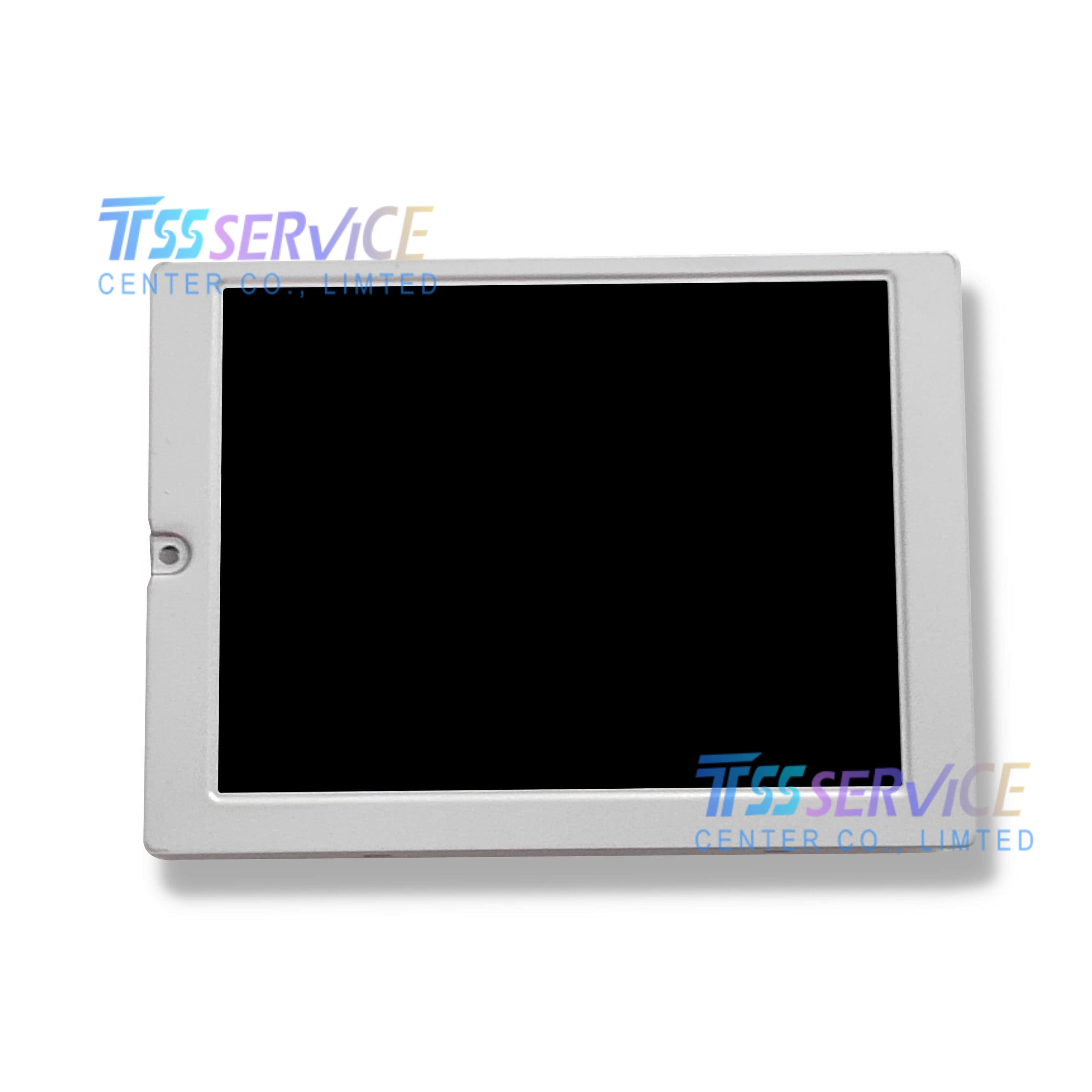
Decoding the Specification: A 4.7-Inch Workhorse
At first glance, the 4.7-inch diagonal measurement with a QVGA (320 x 240 pixel) resolution might seem modest in an era of 4K screens. However, this specification is a deliberate and powerful choice for embedded systems. The 4.7-inch size creates a substantial viewable area without demanding excessive panel space, making it ideal for handheld devices, portable instruments, or control panels where real estate is at a premium.
The 320x240 resolution, with its classic 4:3 aspect ratio, provides a balanced pixel density for clear rendering of text, numerical data, schematic graphics, and user interface elements. This combination ensures excellent legibility without overburdening the system's graphical processing unit (GPU) or memory bandwidth, leading to lower power consumption and simpler design architecture. The module's TFT (Thin-Film Transistor) active-matrix technology guarantees consistent image quality, wide viewing angles, and faster response times compared to passive displays, which is crucial for dynamic content.
Target Applications: Where This Display Excels
The KCG047QV1AA-A21 is not designed for smartphones or consumer tablets. Its value proposition shines in industrial, professional, and ruggedized environments. Primary application sectors include portable medical diagnostic devices, where clarity and reliability are non-negotiable. It is equally suited for handheld test and measurement equipment, industrial human-machine interface (HMI) panels, and telecommunication devices.
Furthermore, this display is a strong candidate for point-of-sale (POS) systems, vehicle telematics units, and specialized consumer devices like premium handheld gaming consoles or ruggedized PDAs. The common thread across these applications is the need for a durable, dependable, and highly readable display that can present critical information effectively under various lighting conditions, often within a compact and power-constrained form factor. Its specification sheet suggests a robustness that aligns with extended product lifecycles and stable supply chains—key concerns in B2B electronics.
The Kyocera Advantage: Reliability and Optical Performance
Choosing a display from a manufacturer like Kyocera brings inherent advantages beyond the raw specs. Kyocera is renowned for its vertical integration and mastery in ceramics and electronics, which translates into high manufacturing consistency and quality control for its LCD modules. The KCG047QV1AA-A21 benefits from this pedigree, offering reliable performance and long-term availability crucial for industrial products.
Optically, this module is engineered for enhanced usability. It typically features a high-brightness backlight, ensuring viewability in brightly lit indoor or shaded outdoor settings. Designers can also expect well-managed contrast ratios and color performance optimized for functional UI, not just media consumption. The integration of the controller and standard interface (often parallel RGB or LVDS) simplifies the design-in process. This combination of manufacturer reliability and purpose-driven optical engineering reduces project risk and accelerates time-to-market for device manufacturers.
Critical Integration Considerations for Design Engineers
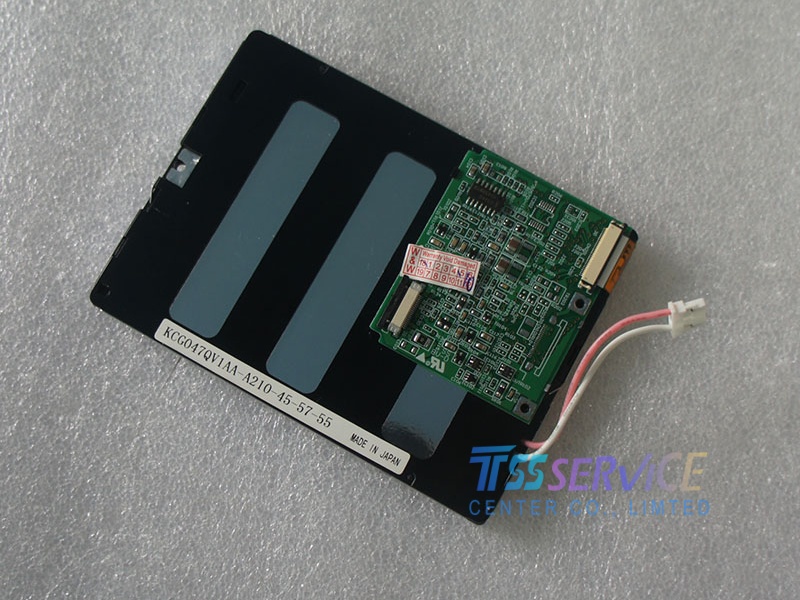
Successful implementation of the KCG047QV1AA-A21 requires careful planning. Engineers must first verify the electrical interface compatibility with their host processor. Attention must be paid to the power supply sequence, signal timing, and the physical connection via the module's FPC (Flexible Printed Circuit) cable. The mechanical design must account for the module's exact footprint, bezel requirements, and mounting points to avoid stress on the glass panel.
Environmental factors are paramount. For projects destined for challenging conditions, confirming the operating and storage temperature ranges, as well as potential options for strengthened glass or custom polarizers for sunlight readability, is essential. Additionally, securing a stable supply involves engaging with authorized distributors or directly with Kyocera to understand lead times and lifecycle status. Prototyping with an evaluation kit is highly recommended to validate performance in the actual application context before finalizing the design.
In summary, the Kyocera KCG047QV1AA-A21 4.7-inch QVGA LCD screen stands as a specialized component engineered for clarity, durability, and reliability in professional and industrial contexts. Its specifications are a calculated match for devices where information integrity and user interaction trump sheer pixel count. By understanding its optimal applications, the manufacturing strength behind it, and the key factors for seamless integration, development teams can make an informed decision. This module exemplifies how a well-chosen display, aligned with application demands, becomes a cornerstone of a successful and user-centric electronic product.


