In the realm of industrial and embedded systems, the display panel often serves as the critical bridge between machine logic and human decision-making
In the realm of industrial and embedded systems, the display panel often serves as the critical bridge between machine logic and human decision-making. While consumer electronics chase high pixel densities and vibrant color gamuts, a different set of priorities governs the world of specialized equipment: reliability, optical clarity under harsh conditions, and precise aspect ratios. The KCG047QV1AA-A21, a 4.7-inch LCD panel manufactured by Kyocera, exemplifies this niche. With a resolution of 320x240 pixels (QVGA) and a robust feature set designed for longevity, this component is far more than a simple screen. This article delves into the technical architecture, application logic, and operational advantages of this specific model, offering a deep dive for engineers, procurement specialists, and system integrators who require more than just surface-level specifications.
Decoding the Specifications: Resolution, Size, and the QVGA Advantage
The KCG047QV1AA-A21 operates within a specific design philosophy that prioritizes function over pure visual spectacle. The 4.7-inch diagonal size places it squarely in the sweet spot for handheld terminals, medical cart interfaces, and portable industrial tools—large enough to present complex data, yet compact enough to fit ergonomically into a device chassis. The 320x240 QVGA resolution is a deliberate choice. Unlike higher-resolution panels that consume significantly more power and processing overhead, the QVGA standard allows for swift refresh rates and stable operation using legacy or low-power microcontrollers. This resolution is perfectly adequate for displaying monochrome or low-color-depth graphical user interfaces, instrument clusters, and real-time data logs without the latency or heat generation associated with high-performance displays. The 4:3 aspect ratio, a classic standard, ensures that legacy software designed for older industrial terminals renders correctly without distortion or letterboxing, preserving backward compatibility—a crucial requirement in industries with long product lifecycles.
From Pixel to Performance: The Engineering Behind the Display
Beyond the raw numbers, the KCG047QV1AA-A21 distinguishes itself through its underlying engineering. Kyocera is renowned for its durability-first approach, and this panel is no exception. It is typically built with an STN (Super Twisted Nematic) or FSTN (Film Compensated STN) technology, depending on the specific revision. These technologies offer superior contrast ratios in reflective or transflective configurations, meaning the display remains readable even under direct sunlight—a common pain point in outdoor or brightly lit factory environments. The backlight system, often an LED array, is designed for tens of thousands of hours of continuous operation, reducing the total cost of ownership. Furthermore, the panel's interface is standardized, usually supporting parallel data transmission, which simplifies integration with existing mainboards. The operating temperature range is also a defining feature; Kyocera panels are often rated for wide thermal tolerances, allowing the device to function reliably in unheated warehouses or cold storage facilities where standard consumer displays would fail.
Strategic Deployment: Ideal Use Cases Across Industries
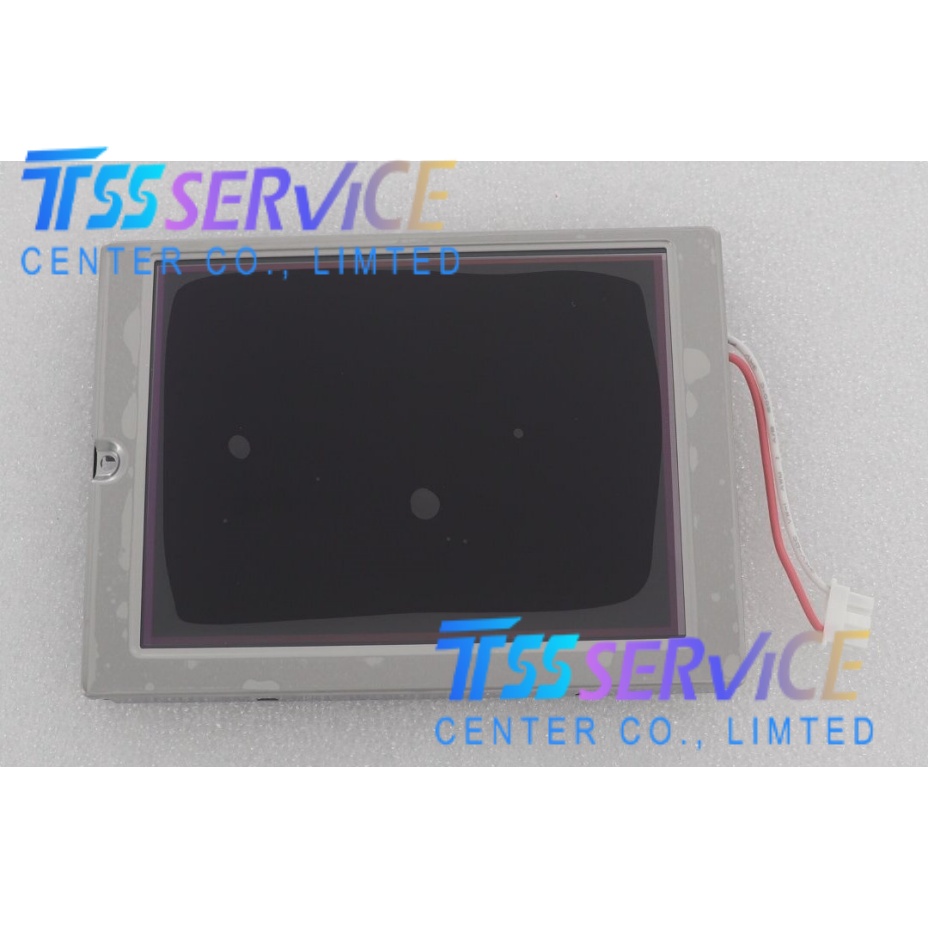
The KCG047QV1AA-A21 finds its true value not in general retail, but in specialized verticals. In the medical field, its stable grayscale rendering and absence of flicker make it suitable for patient monitoring systems and diagnostic cart interfaces where trust in the displayed data is paramount. In industrial automation, it serves as a prime candidate for Human-Machine Interfaces (HMIs) on assembly line controllers or CNC machines, where resistance to vibration and electromagnetic interference is non-negotiable. Telecommunications infrastructure, such as base station controllers, frequently utilizes these panels for local status monitoring, where the display must remain legible for years without maintenance. Additionally, the transportation sector (e.g., forklift terminals or aviation ground support equipment) benefits from the panel's high ambient light readability and ruggedized build. In each of these cases, the product's reliability and stable supply chain—a hallmark of Kyocera's industrial focus—are as critical as the technical specifications themselves.
Sourcing and Longevity: The Economics of an Industrial Display
Procuring a component like the KCG047QV1AA-A21 requires a mindset shift from consumer electronics procurement. This panel is subject to product longevity guarantees, meaning Kyocera typically commits to manufacturing it for a set period (often 5-7 years or more) to support industrial clients with long design cycles. When sourcing, verification of the revision number and backlight type (CCFL vs. LED) is critical, as older variants may exist in the market. The price point reflects the rigorous quality control, wide temperature testing, and longer lifecycle support. While it may appear costly compared to a generic tablet screen, the "total cost of ownership" is lower due to reduced field failures and the elimination of mid-life redesigns. For the integrator, this panel offers a predictable, stable platform upon which to build a device with a lifespan of a decade or more.
Conclusion
The Kyocera KCG047QV1AA-A21 LCD panel represents a masterclass in industrial design prioritization—doing a specific job with exceptional reliability rather than chasing fleeting aesthetic trends. Its 4.7-inch QVGA display offers the perfect balance of readability, power efficiency, and legacy software compatibility for demanding environments like medical, automation, and transportation systems. For engineers and decision-makers, choosing this panel is an investment in operational stability and reduced maintenance costs. In a world of planned obsolescence, components like this stand as pillars of long-term engineering integrity.


