In the demanding world of industrial automation, medical instrumentation, and embedded systems, the choice of a display panel is rarely about aesthetics alone; it is a decision that impacts operational efficiency, user safety, and long-term maintenance costs.
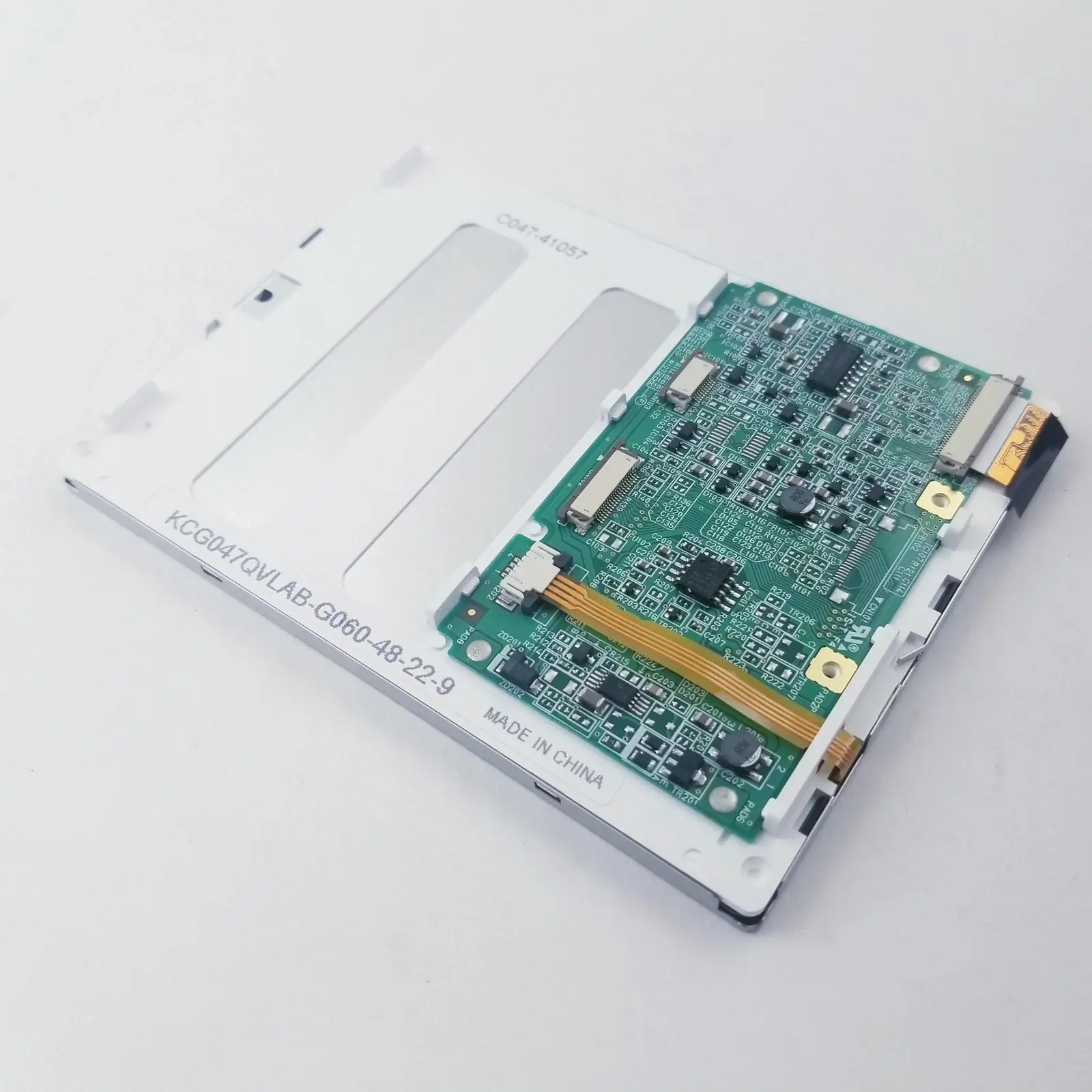
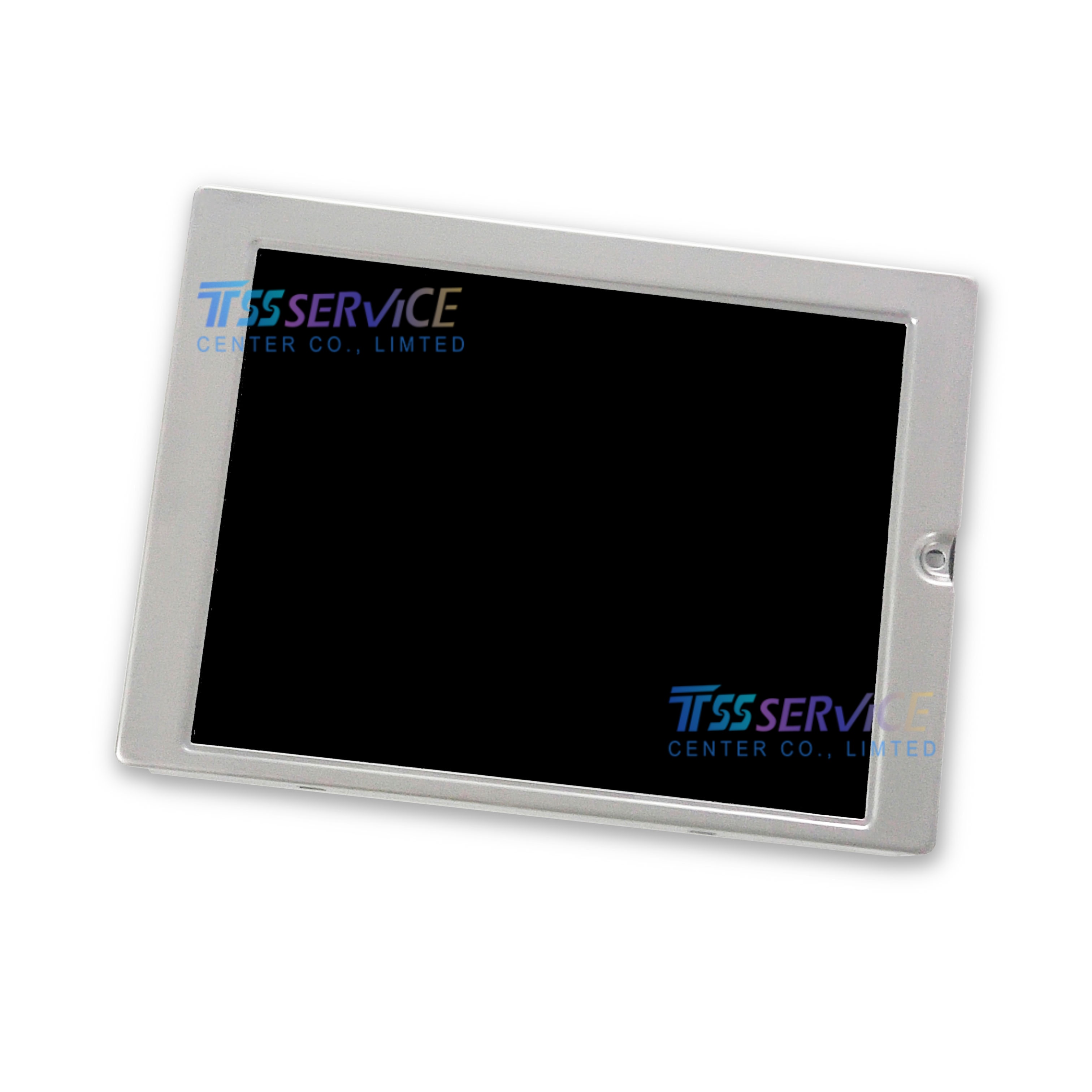
In the demanding world of industrial automation, medical instrumentation, and embedded systems, the choice of a display panel is rarely about aesthetics alone; it is a decision that impacts operational efficiency, user safety, and long-term maintenance costs. The KCG047QVLAB-G060 is a testament to this principle, representing a specific category of LCD technology designed for environments where standard consumer-grade screens would fail. This 4.7-inch panel, with its native resolution of 320×240 pixels (QVGA), is engineered by Kyocera—a manufacturer renowned for its rugged, high-reliability display solutions. This article delves into the technical architecture, application niches, and operational advantages of this specific model. We will explore what makes the KCG047QVLAB-G060 not just a screen, but a critical interface component for systems that demand consistent performance under challenging conditions, from fluctuating temperatures to continuous operational cycles. The goal is to provide engineers, procurement specialists, and system integrators with a comprehensive understanding of why this display is a benchmark in its class.
Decoding the Specifications: Beyond Pixels and Size
To fully appreciate the KCG047QVLAB-G060, one must first understand the functional implications of its core specifications. The 4.7-inch diagonal size places it in the "mid-range compact" category, making it ideal for handheld terminals, portable diagnostic devices, and control panels where space is at a premium. The 320×240 (QVGA) resolution, while modest by smartphone standards, is a deliberate choice. In industrial contexts, a lower pixel density often translates to:
-
Enhanced readability of solid icons and large text fonts under direct sunlight or harsh lighting.
-
Reduced processing load on the host microcontroller, lowering overall system power consumption.
-
Simplified software driver requirements, ensuring faster development cycles and more stable touch response.
However, the true value lies in the display mode and interface. The KCG047QVLAB-G060 employs a TN (Twisted Nematic) technology, which offers superior response times compared to other passive matrix technologies. This is crucial for displaying dynamic data like real-time sensor readings or moving mechanical diagrams without ghosting. Furthermore, the panel utilizes an LVDS (Low-Voltage Differential Signaling) interface. This is a critical differentiator; LVDS provides high noise immunity and allows for longer cable runs between the display and the mainboard—an essential feature in industrial equipment where the processing unit is often physically separated from the user interface to avoid heat or vibration.
Durability Engineering: Built for the Harsh Operational Lifecycle
The KCG047QVLAB-G060 is not a standard commercial-off-the-shelf (COTS) component. It is part of Kyocera’s industrial series, which means it has undergone rigorous reliability testing. The primary engineering challenge in industrial displays is thermal management and environmental resilience. This panel is designed to operate reliably across a wide temperature range, typically from -20°C to +70°C, and in some cases, a storage range beyond that. This capability is achieved through:
-
Wide-temperature liquid crystal fluid: Unlike standard displays that freeze or become sluggish in cold environments, this fluid maintains consistent molecular alignment.
-
A robust polarizer stack: Engineered to resist yellowing and delamination caused by prolonged UV exposure or high humidity.
-
Mechanical rigidity: The glass substrate and metal frame are designed to withstand vibration and shock, common in factory automation, portable field instruments, or vehicle-mounted systems.
Another often-overlooked aspect is the backlight design. The KCG047QVLAB-G060 typically uses a high-luminance LED backlight with a long lifespan (often rated for 50,000 to 70,000 hours of continuous operation). This reduces the total cost of ownership by minimizing the frequency of panel replacement due to backlight failure. For operators running equipment 16 hours a day, six days a week, this level of endurance translates directly into reduced downtime and maintenance labor, making the initial component cost a worthwhile investment over a 5-to-7-year operational lifecycle.
Integration and Interfacing: Reducing Design Risk
From a designer’s perspective, the KCG047QVLAB-G060 offers a distinct advantage: standardized pinouts and mature driver support. Unlike proprietary displays that require custom timing controllers or complex initialization sequences, this Kyocera panel adheres to well-documented industry standards. The LVDS interface, in particular, simplifies the hardware design because it uses differential pairs, which are less susceptible to electromagnetic interference (EMI)—a common headache in industrial environments with motors and power inverters.
Key integration considerations include:
-
Power supply requirements: The panel operates on a single 3.3V power rail for logic, with a separate voltage for the backlight (typically around 12V or 24V, depending on the backlight configuration). This facilitates direct connection to common industrial power buses.
-
Mechanical compatibility: The form factor is designed to fit into standard cutouts, often with mounting tabs or clips, allowing for straightforward enclosure integration without custom machining.
-
Optical bonding options: For applications requiring extreme sunlight readability or anti-condensation properties, this panel can be optically bonded to a touch screen or protective cover glass. This process eliminates the air gap, reducing glare and improving contrast by up to 400%.
For system integrators, the availability of application notes and reference designs from Kyocera further reduces the time-to-market. This is a significant differentiator; a new team can have a functional prototype running in a fraction of the time it would take with a less supported display module. This reduces the engineering risk associated with hardware bring-up and software driver development.
Comparative Advantages: The Kyocera Difference in a Crowded Market
When placed side-by-side with generic QVGA displays from lower-cost manufacturers, the KCG047QVLAB-G060 reveals its premium positioning through consistency and total cost of ownership. The primary advantage is supply chain stability and long-term availability (LTA). Kyocera typically commits to producing these industrial panels for 5 to 7 years or more. For a medical device or industrial controller that must undergo regulatory certification or remain in production for a decade, using a display that could be discontinued in two years is a fatal business risk. The KCG047QVLAB-G060 offers the assurance of a reliable supply chain.
Furthermore, the optical performance is superior. While a generic panel might boast similar brightness (e.g., 500 cd/m²), the Kyocera panel maintains a higher contrast ratio and better color saturation across the full viewing angle. This is due to stricter quality control on the polarizer film and the uniformity of the backlight. The result is a lower rate of dead pixels (often ppm-level, rather than percentage-level) and less "clouding" or mura (uneven brightness). For an operator who stares at a display for eight hours a day, the difference in visual fatigue is tangible. This human-factor improvement, combined with the engineering robustness discussed earlier, makes the KCG047QVLAB-G060 not just a component, but a strategic choice for building a market-leading product.
Conclusion
The KCG047QVLAB-G060 represents the confluence of thoughtful engineering and practical industrial design. It is not a flashy component, but its value lies in its unwavering reliability, standardized interfacing, and long-term viability. For engineers navigating the trade-offs between cost, performance, and longevity, this display offers a clear path to reducing design risk and ensuring end-user satisfaction. Whether powering a factory floor terminal, a patient monitoring system, or a portable analytical instrument, the KCG047QVLAB-G060 delivers the visual consistency and ruggedness that mission-critical applications demand. By choosing this panel, you are not just selecting a screen; you are investing in a partnership with a manufacturer that understands the realities of the industrial lifecycle.


