In the world of specialized industrial electronics, the display panel is often the most critical interface between human operator and machine logic. The KCS057QV1AA-G00-11-21, a new 5.7-inch LCD screen from Kyocera, represents a specific and highly reliable solution for environments where off-the-shelf consumer displays fail
In the world of specialized industrial electronics, the display panel is often the most critical interface between human operator and machine logic. The KCS057QV1AA-G00-11-21, a new 5.7-inch LCD screen from Kyocera, represents a specific and highly reliable solution for environments where off-the-shelf consumer displays fail. While the modern market is saturated with high-resolution, high-brightness screens for smartphones and televisions, the industrial sector demands something fundamentally different: stability, longevity, and precise performance under harsh conditions. This article explores the technical architecture, compatibility nuances, and practical relevance of this specific model. We will move beyond superficial specifications to analyze why a 320x240 resolution panel remains a cornerstone in medical instrumentation, factory automation, and avionics, and how the KCS057QV1AA-G00-11-21 fits into the broader ecosystem of replacement and upgrade strategies for critical hardware.
Decoding the Legacy: The 320x240 Resolution and 5.7" Form Factor
To fully appreciate the KCS057QV1AA-G00-11-21, one must first understand the enduring value of the Quarter Video Graphics Array (QVGA) standard. At 320x240 pixels, this resolution is deliberately modest by modern consumer standards. However, in the industrial context, it is a feature, not a limitation. This specific panel utilizes a passive matrix or active matrix STN (Super Twisted Nematic) or FSTN technology, which is inherently more resilient to temperature fluctuations and less power-hungry than high-resolution TFT equivalents. The 5.7-inch diagonal size provides a comfortable viewing area for displaying real-time telemetry, basic control menus, or numerical readouts without requiring excessive front-panel space. The new-old-stock (NOS) status of this unit implies it was manufactured to original Kyocera specifications, ensuring precise timing and voltage requirements that directly match legacy systems. This is crucial because even a slight deviation in backlight voltage or interface logic can render an entire production line inoperable. The panel’s design prioritizes readability over visual fidelity, with a focus on high contrast ratios and wide viewing angles specifically optimized for monochrome or limited color palette applications.
Interface Architecture and Signal Integrity
The true complexity of the KCS057QV1AA-G00-11-21 lies not in its pixel count, but in its interface protocol. These industrial panels typically rely on a parallel RGB interface, specifically the 6-bit or 8-bit digital data bus, synchronized with separate vertical and horizontal sync signals. Understanding this architecture is critical for any engineer attempting a replacement. The panel likely communicates via a standard 40-pin or 50-pin FPC connector, requiring careful attention to timing diagrams that differ from commercial displays. The clock frequency is deliberately kept low to reduce electromagnetic interference (EMI) in sensitive medical or RF environments. Furthermore, the panel integrates a specialized timing controller (TCON) that manages the liquid crystal response times. When replacing a failed unit, using a generic "compatible" panel often introduces latency or flicker because the drive IC timing does not match the original Kyocera design. The new KCS057QV1AA-G00-11-21 guarantees pin-to-pin compatibility and matched impedance, ensuring that the host controller does not suffer from signal reflection or data corruption. For the technician, this translates directly into a drop-in solution that requires no firmware modification or additional level shifting.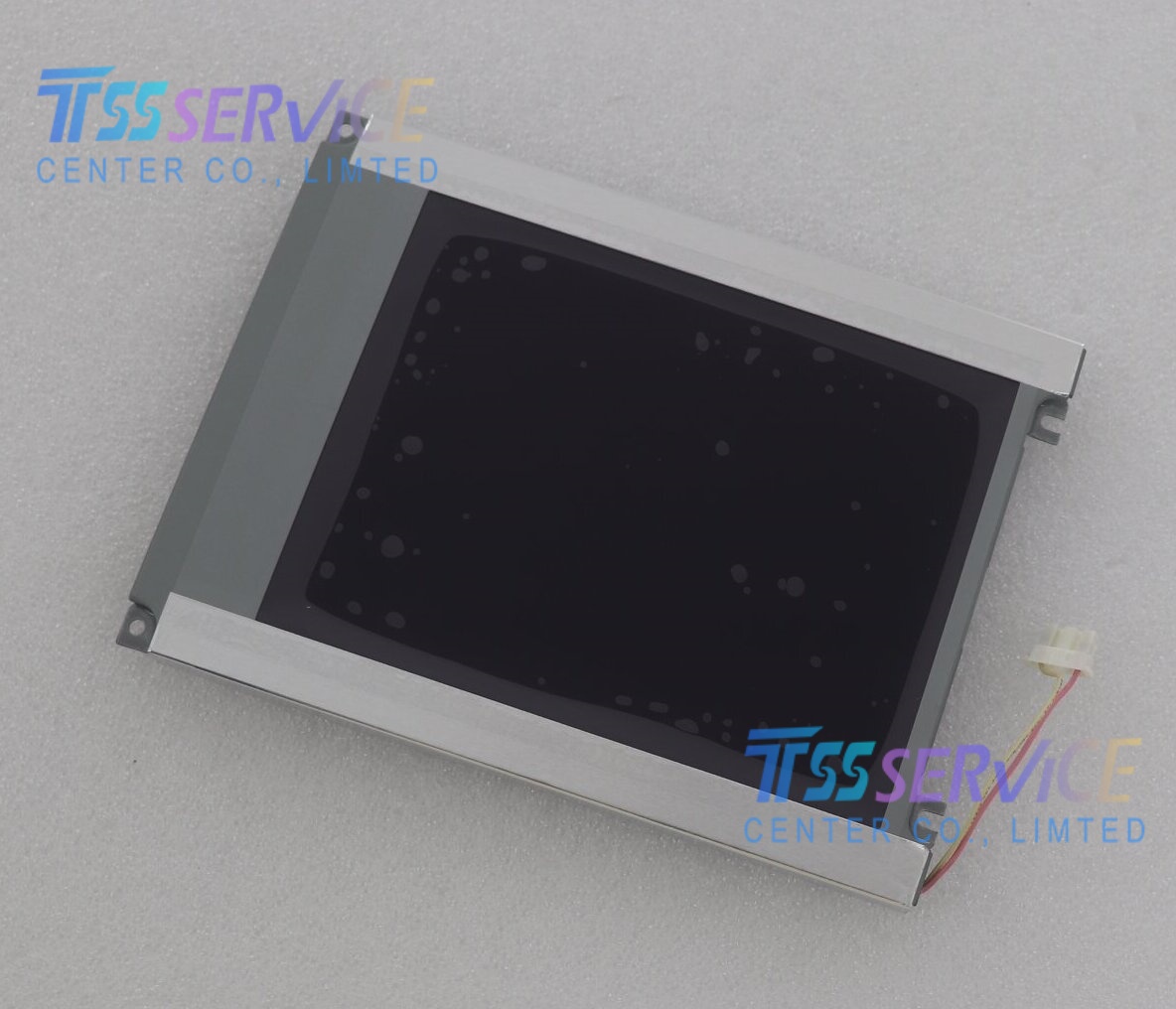
Environmental Resilience and Operational Lifespan
What distinguishes a truly industrial-grade display from a commercial one is its ability to function under duress. The KCS057QV1AA-G00-11-21 is engineered to operate within a wide temperature range, typically spanning from -20°C to +70°C, with storage capabilities extending beyond that. This is achieved through the use of a wider liquid crystal fluid and a more robust polarizer material that resists delamination under humidity. The backlight system, often using a CCFL (Cold Cathode Fluorescent Lamp) or a high-durability LED array, is designed for a mean time between failures (MTBF) exceeding 50,000 hours. For a machine that runs 24/7, this translates to nearly six years of continuous operation. The surface treatment of the glass is another hidden advantage; it frequently features an anti-glare coating with a hardness rating that resists scratches from repeated touch or cleaning with aggressive solvents. This level of chemical and mechanical resistance is absent in consumer panels. For industries such as textile manufacturing or chemical processing, where airborne particulates and splashes are common, the ability to seal the panel against ingress is paramount. The mechanical casing of this display includes mounting brackets designed to withstand vibration up to 5G, preventing pixel failure or connector loosening in mobile or heavy-duty equipment.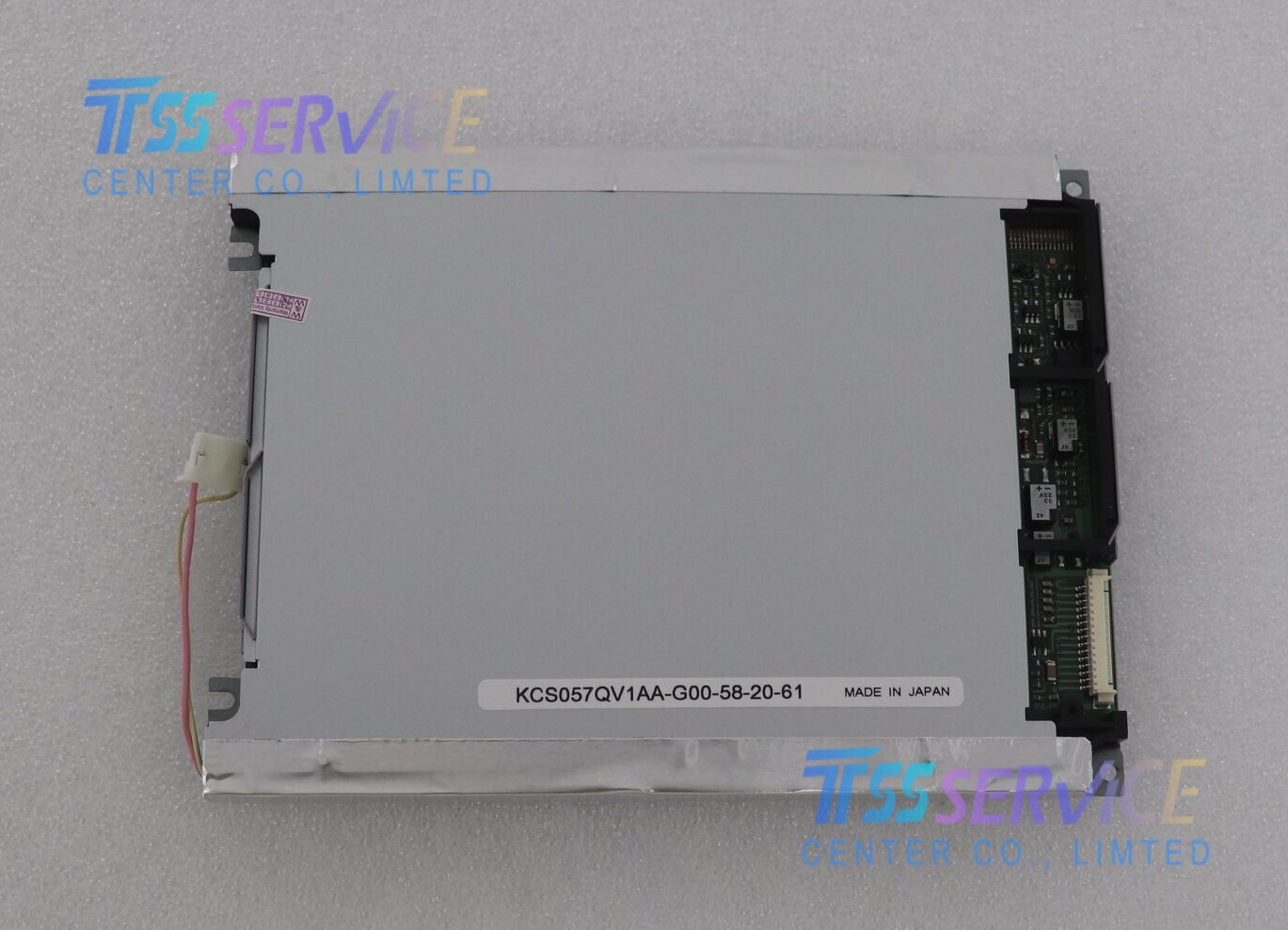
Procurement Strategy: Navigating Obsolescence and Compatibility
For maintenance and procurement teams, sourcing the KCS057QV1AA-G00-11-21 presents a strategic challenge. As a “new” unit from Kyocera, it likely belongs to a long-running production series that has been discontinued and later revived for specific OEM contracts. This creates a bifurcated market: original surplus versus counterfeit or reworked units. When purchasing, verify the date code and lot number to ensure fresh, non-degraded liquid crystal material. Old stock that has been stored improperly (exposed to direct sunlight or high heat) can exhibit a permanent yellowing of the polarizer. Furthermore, confirm whether the panel is a direct replacement for a Kyocera KG057QV1AA-G00 series or a variant for another manufacturer like Optrex. The presence of the “11-21” suffix may denote a specific backlight color (e.g., white LED vs. green CCFL) or a slightly different mounting tab configuration. A common mistake is purchasing a panel with an identical model number but a different revision, which leads to a disastrous mismatch in the backlight voltage. The safest procurement path involves securing units from distributors who offer functional testing on a standard 5.7” evaluation board, confirming not just pixel function but also gray-scale linearity and backlight uniformity.
Conclusion
The KCS057QV1AA-G00-11-21 is a testament to the enduring principle that in industrial automation, reliability and specification adherence outweigh raw performance. This display serves as a critical lifeline for legacy equipment that cannot be economically replaced. For the engineer, it represents a known variable in a complex system, offering predictable behavior across thermal and vibrational extremes. When sourcing this unit, prioritize verification of its interface timing and storage history to avoid the pitfalls of counterfeit merchandise. Ultimately, this display reinforces that the best solution is not always the newest, but the one that is precisely matched to its operational framework. Treating it as a precision component rather than a commodity part ensures the continuity of mission-critical operations.


