In the high-stakes realm of medical diagnostics, the display is more than a screen—it is the clinician's primary window into a patient's condition. The fidelity of an image can be the difference between early detection and missed pathology. This article delves into the critical role of specialized medical displays, focusing on the technological synergy embodied in Kyocera's solutions. We will explore how their commitment to high color accuracy and low blue light emission coalesces to create a vi
In the high-stakes realm of medical diagnostics, the display is more than a screen—it is the clinician's primary window into a patient's condition. The fidelity of an image can be the difference between early detection and missed pathology. This article delves into the critical role of specialized medical displays, focusing on the technological synergy embodied in Kyocera's solutions. We will explore how their commitment to high color accuracy and low blue light emission coalesces to create a viewing environment engineered not just for viewing images, but for achieving precise, confident, and sustainable diagnostics.
The journey from raw imaging data to diagnostic insight is fraught with potential for visual distortion. Kyocera medical displays address this fundamental challenge head-on, establishing a new standard for visual truth in clinical settings.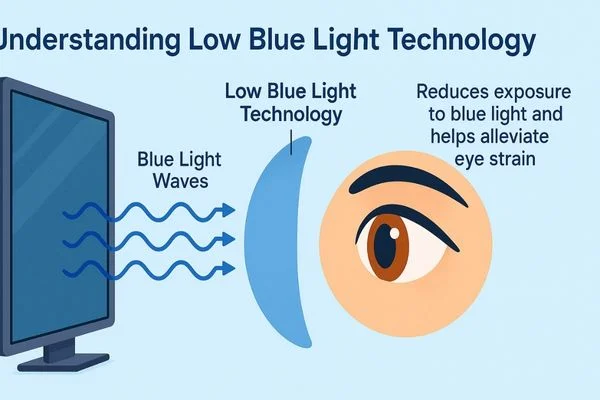
The Imperative of Color Fidelity in Diagnostic Imaging
Medical imaging is a language of subtlety. A slight variation in hue within a mammogram, a nuanced shift in grayscale on a CT scan, or the delicate color gradients in a dermatological photo all carry profound diagnostic significance. Standard commercial monitors are calibrated for vibrancy and appeal, often sacrificing consistency and accuracy. Kyocera displays, however, are engineered from the ground up for diagnostic fidelity.
This is achieved through several key technologies. High-bit-depth lookup tables (LUTs) and advanced calibration engines ensure a linear grayscale presentation, which is paramount for modalities like MRI and X-ray. For color-critical applications such as pathology or ophthalmology, Kyocera employs wide color gamut panels that faithfully reproduce specific color spaces like sRGB and DICOM Part 14. Furthermore, their displays integrate sophisticated sensors for automated quality control. These systems periodically self-calibrate, compensating for the inevitable luminance drift that occurs over a display's lifespan. This relentless pursuit of stability guarantees that the image reviewed today is consistent with the one reviewed last month, enabling reliable longitudinal comparison—a cornerstone of effective patient monitoring.
Beyond Accuracy: Mitigating Low Blue Light for Clinician Well-being
While color accuracy ensures the "what" of an image is correct, the viewing environment dictates how effectively a clinician can interpret it. Prolonged exposure to high-energy blue light emitted by conventional displays is a documented contributor to visual fatigue, digital eye strain, and potential disruption of circadian rhythms. For radiologists and pathologists spending hours in dim reading rooms, this is not merely a comfort issue; it is a factor that can impact concentration and diagnostic performance.
Kyocera's low blue light technology is a deliberate intervention in this space. Rather than simply applying a yellow-tinted software filter that distorts color, their displays often utilize hardware-level solutions. These can include specialized LED backlights with adjusted phosphor compositions or advanced optical filters that natively reduce the peak intensity in the problematic blue wavelength range (around 415-455nm). The result is a display that maintains critical color and grayscale accuracy while significantly reducing photobiological stress on the eyes. This fosters a more comfortable, sustainable workflow, allowing medical professionals to maintain focus and precision throughout extended reading sessions.
The Synergy in Practice: Enhanced Diagnostic Confidence
The true power of Kyocera's approach lies not in the isolated application of these technologies, but in their integration. High color accuracy and low blue light emission are not competing priorities; they are complementary features that together elevate the diagnostic act. A display that offers perfect DICOM grayscale but causes severe eye strain is flawed. Conversely, a comfortable display that cannot faithfully render tissue boundaries is useless for diagnosis.
Kyocera's engineering creates a harmonious viewing experience. The accurate and consistent presentation of clinical data reduces uncertainty, allowing patterns and anomalies to be identified with greater assurance. Simultaneously, the reduced visual fatigue enables clinicians to engage in deeper, more prolonged analysis without the degradation of performance that often accompanies tiredness. This synergy directly translates to enhanced diagnostic confidence. It empowers the clinician, providing a trustworthy visual foundation upon which critical decisions are made, ultimately contributing to improved patient outcomes.
Integrating into the Modern Clinical Ecosystem
A premium medical display does not operate in a vacuum. Its value is fully realized when it seamlessly integrates into the broader hospital IT infrastructure and clinical workflow. Kyocera displays are designed with this holistic view in mind. They typically come with robust compatibility, supporting major imaging standards and PACS (Picture Archiving and Communication System) environments. Features like seamless multi-modality display matching ensure that images from different sources appear consistent across various monitors in a department.
Furthermore, considerations for form factor, ergonomics, and connectivity are paramount. Options for high-resolution 4K and 5MP+ displays cater to the needs of advanced volumetric imaging, while versatile mounting solutions adapt to crowded reading rooms. This focus on integration ensures that the benefits of superior image quality and user comfort are not offset by technical complexity or workflow disruption. The display becomes a reliable, intuitive node within the digital diagnostic chain, supporting efficiency and collaboration across the clinical team.
Kyocera medical displays represent a sophisticated convergence of human-centric design and clinical-grade engineering. By mastering the dual imperatives of uncompromising color accuracy and proactive low blue light emission, they deliver more than just images; they deliver clarity, comfort, and confidence. In an era where diagnostic precision is paramount, investing in display technology that supports both the integrity of the data and the well-being of the interpreter is not an option—it is a fundamental component of modern, responsible healthcare. This commitment ensures that every diagnostic decision is made on the most reliable visual foundation possible.


