The annual Consumer Electronics Show has long served as the launchpad for the next decade of automotive innovation, moving far beyond infotainment to redefine the very interface between human and machine.
At CES 2026,
Kyocera, a global leader in advanced ceramics and components, made a decisive leap from behind the dashboard to the driver's seat with its visionary Smart Cockpit Display Concepts. This unveiling marks a strategic pivot, showcasing the company's ambition to architect the future vehicle interior.
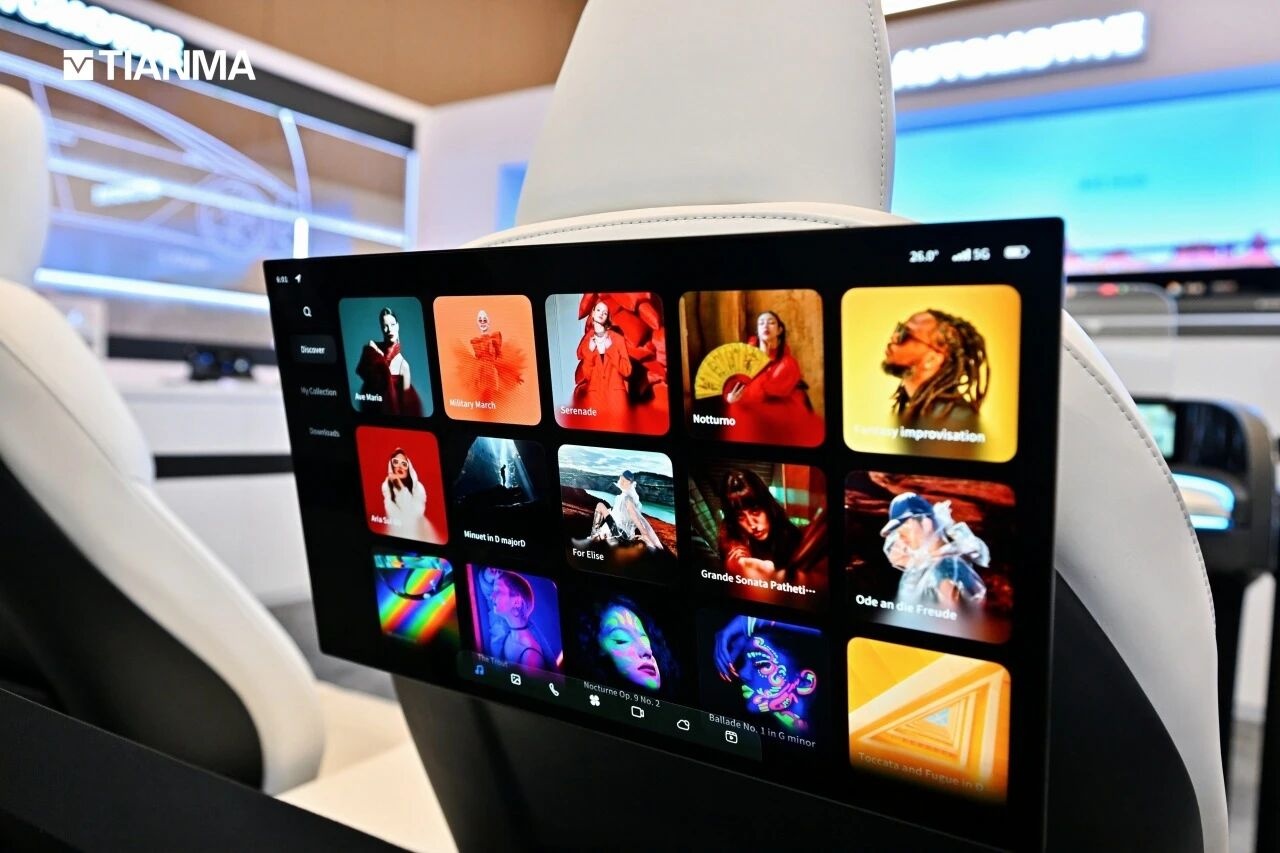
Moving beyond mere screen upgrades, Kyocera's concept presents a holistic philosophy: the cockpit as a seamless, intelligent, and responsive environment. The core of this vision is the integration of ultra-wide, continuous displays with
Kyocera's proprietary Smart Surface technology. This combination promises to dissolve the physical and digital boundaries within the car, creating an adaptive canvas that anticipates needs, enhances safety, and personalizes every journey. This article delves into the components, user experience, technological underpinnings, and broader implications of a cockpit designed not just to inform, but to connect and understand.
The Seamless Canvas: Ultra-Wide Displays and Smart Surface Synergy
Kyocera's concept fundamentally reimagines the dashboard as a continuous, flowing digital landscape. Gone are the isolated instrument clusters and central touchscreens; in their place is a panoramic, pillar-to-pillar ultra-wide display that provides a unified field of information. This screen is not a passive panel but an active component integrated with Kyocera's Smart Surface technology—a transparent, functional layer embedded with sensors and micro-illumination elements.
This synergy creates a dynamic interface. The Smart Surface can detect touch, gesture, and even the driver's gaze, while also capable of providing tactile feedback or illuminating physical controls only when needed. Imagine the surface around the steering wheel glowing with climate controls during a adjustment, then fading away to reduce clutter. The ultra-wide display offers immense flexibility, allowing critical driving data to be positioned directly in the driver's sightline, while navigation, communication, and passenger entertainment fluidly occupy adjacent zones without creating visual fragmentation. This creates an environment where information is contextually organized across a vast digital canvas, reducing cognitive load.
Intuitive Interaction: Beyond Touch to Predictive Interface
The true intelligence of Kyocera's cockpit lies in its shift from command-based to predictive interaction. The integrated sensor mesh within the Smart Surface, combined with vehicle and biometric data, allows the system to anticipate user intent. A simple glance towards the side mirror could trigger a blind-spot camera feed to appear on the adjacent display segment. A hand moving towards the passenger side might pre-illuminate climate controls for that seat.
This predictive layer aims to minimize distracting manual searches through nested menus. The interface adapts in real-time: during highway driving, it might prioritize a minimalist layout with large-scale navigation cues and fuel efficiency data. Upon parking, it could transform into a media control center or even a video conferencing suite. By understanding context—who is in the car, the phase of the journey, and driver state—the cockpit becomes a proactive partner. This evolution from a reactive screen to a contextual, ambient intelligence platform is key to enhancing both convenience and safety, as it reduces the need for prolonged attention away from the road.
The Enabling Core: Advanced Materials and Sensor Fusion
Kyocera's bold vision is grounded in its deep expertise in materials science and precision manufacturing. The ultra-wide display leverages advanced, durable ceramic substrates—a Kyocera specialty—which offer superior thermal stability, scratch resistance, and optical clarity compared to conventional glass or plastics. This ensures reliability and longevity in the demanding automotive environment.
Similarly, the Smart Surface technology is a feat of miniaturization and integration. It incorporates:
-
Capacitive and Infrared Sensors: For precise touch and gesture recognition.
-
Micro-LED Arrays: Enabling dynamic backlighting for physical-feel buttons and contextual guides.
-
Haptic Actuators: Providing realistic tactile feedback to confirm inputs without visual confirmation.
These elements are fused through a centralized domain controller that processes data from the cockpit sensors, vehicle networks, and external cloud services. This sensor fusion is critical, transforming raw data into actionable intelligence about user intent and vehicle context, thereby making the predictive interface possible. It's a hardware-software co-development where advanced materials enable new forms of seamless interaction.
Redefining the Cabin: Implications for Design and Automotive Partnerships
Kyocera's concept has profound implications that extend far beyond the screen itself. It challenges traditional automotive interior design and supplier relationships. By presenting the cockpit as a single, integrated system, Kyocera is positioning itself not as a component vendor, but as an architect of the digital cabin experience. This requires deep collaboration with automakers from the earliest design stages to ensure the technology is seamlessly woven into the vehicle's form language and electronic architecture.
For designers, this technology liberates them from fixed control layouts, allowing for cleaner, more minimalist interiors that can be personalized per model or even per user profile. The cockpit's aesthetic can change dynamically with its function. For the industry, it signals a convergence where tier-1 suppliers with expertise in human-machine interface, display technology, and critical components are becoming central to defining brand differentiation. Kyocera's move is a strategic play to capture this high-value space, offering a complete, branded cockpit solution that promises a unique and cohesive user experience, setting a new benchmark for interior innovation.
Kyocera's CES 2026 debut is a compelling blueprint for the next-generation vehicle interior, where technology recedes into an intelligent, responsive environment. By masterfully integrating ultra-wide displays with context-aware Smart Surface technology, the concept moves us from operating a car to interacting with a cohesive digital ecosystem. Its success hinges on the sophisticated fusion of advanced materials, sensor networks, and predictive software. As the automotive industry races towards greater autonomy and digital integration, Kyocera has staked a powerful claim: the future cockpit will be defined not by the number of screens, but by the seamlessness of the experience they create together.


