In the demanding realm of industrial automation and human-machine interface (HMI) design, the display panel serves as the critical bridge between complex machinery and human operators. Selecting the correct component is not merely a matter of resolution or size; it involves a precise evaluation of durability, optical performance, and environmental resilience
In the demanding realm of industrial automation and human-machine interface (HMI) design, the display panel serves as the critical bridge between complex machinery and human operators. Selecting the correct component is not merely a matter of resolution or size; it involves a precise evaluation of durability, optical performance, and environmental resilience. The KYOCERA TCG057VGLCCANN-HN50 emerges as a specific solution designed to meet these rigorous standards. This 5.7-inch LCD panel is not simply a commodity part; it is a carefully engineered module that addresses the unique challenges of factory floors, medical equipment, and outdoor kiosks. This article delves deep into the technical architecture, application-specific advantages, and long-term reliability of this particular model. We will explore what differentiates it from consumer-grade displays, focusing on its pixel format, interface design, and operational robustness, providing you with the critical insights needed to evaluate its suitability for your next industrial project.
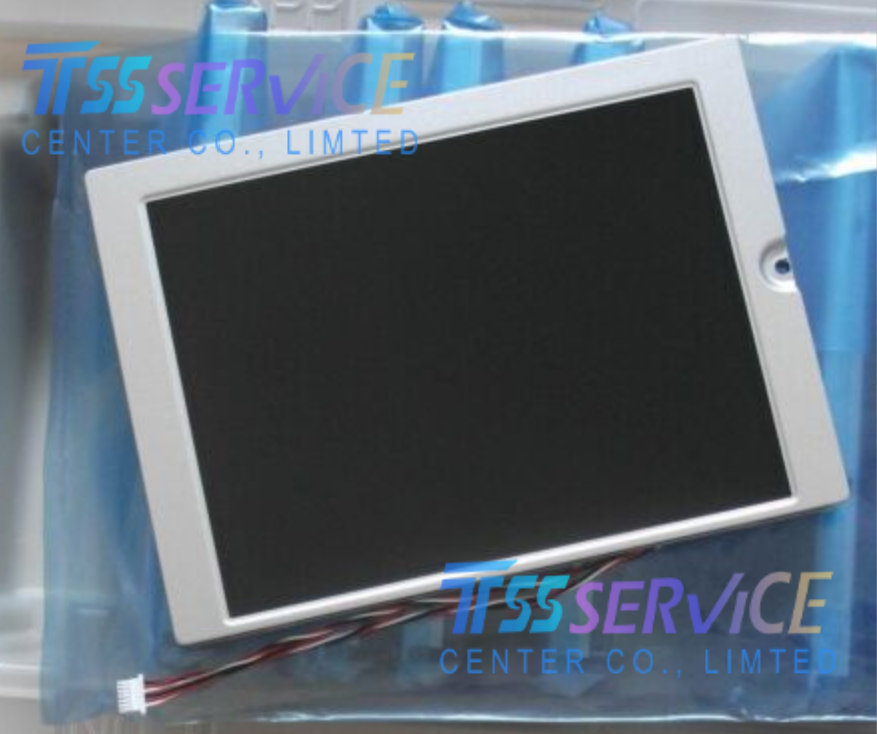
Optical Performance and Viewing Angle Technology
When evaluating an industrial display, the visual characteristics are paramount. The TCG057VGLCCANN-HN50 operates with a standard SVGA resolution of 800 x 480 pixels, a common format that offers a balanced aspect ratio for presenting application-specific data, control panels, and diagnostic graphics. However, the true differentiator lies in its twisted nematic (TN) technology. While TN panels are often criticized for limited viewing angles in consumer electronics, Kyocera has optimized this technology for the industrial context. The display delivers a contrast ratio that, while not as high as IPS panels, is perfectly adequate for controlled lighting environments found in most production lines.
A crucial factor for operators who must view the screen from various positions is the viewing angle. This model provides a typical 70/70/70/50 degree range (left/right/up/down). The asymmetric vertical angle, with a lower value on the bottom side, is a deliberate design choice. It often correlates with installations where the screen is positioned below the operator's direct eye level, prioritizing a clear view from the standing or seated position typical of a machine operator. The 600 cd/m² brightness is a standout feature. This high luminance cuts through ambient light reflections that plague standard screens in factory settings, ensuring data legibility even near large windows or under bright task lighting. This combination of optimized TN performance and high brightness creates a reliable, fatigue-reducing visual experience for continuous use.
Interface Architecture and System Integration
Beyond the visual output, the manner in which a display communicates with the host processor is a critical element of system design. The TCG057VGLCCANN-HN50 employs a standard parallel RGB interface, specifically a 24-bit (8-bit per color) digital system. This is a mature and widely understood architecture in the embedded design community. Using a parallel bus allows for direct and rapid pixel data transfer, which is essential for applications that require real-time updates or smooth graphical transitions without compression artifacts or protocol overhead.
The interface pinout is designed for straightforward integration with a vast array of microcontrollers, FPGAs, and embedded processors. However, the disadvantage is the number of signal lines required—over 30 data and control lines—which consumes more GPIO pins on the driving board. This makes the display less suitable for high-pin-count connectors common on high-end system-on-modules. For the engineer, this means careful PCB layout is required to maintain signal integrity at the typical clock speeds. The module also includes a backlight driver interface, requiring an external circuit or module to provide the necessary current for the LED array. This division of responsibility allows the system designer to select a driver with the exact efficiency and dimming characteristics needed, rather than being locked into a specific onboard solution. Ultimately, this interface choice makes the panel a safe, predictable choice for teams with deep experience in digital video logic.
Environmental Resilience and Mechanical Construction
An industrial display's true value is tested not in a lab, but in the field. The TCG057VGLCCANN-HN50 is constructed to withstand the physical stresses of an industrial environment. Its operating temperature range of -20°C to +70°C is a critical specification. This ensures reliable operation in unheated warehouses, outdoor equipment enclosures, or near machinery that generates significant heat. The ability to operate at low temperatures is particularly challenging for LCDs due to fluid viscosity changes; Kyocera's design mitigates this to prevent slow response times or ghosting.
Mechanically, the panel is designed with a robust metal frame that provides structural integrity and aids in heat dissipation. The absence of a permanent touch panel (it is a pure LCD) allows integrators to select a resistive or capacitive overlay that precisely matches their user interaction needs, whether that involves gloved hands or stylus input. Furthermore, the display’s compliance with RoHS and REACH directives ensures it meets global environmental and safety standards. For applications with high vibration, such as in forklift terminals or portable diagnostic equipment, the solid construction of the module, combined with its low power consumption (typically under 5W for the panel itself), makes it a candidate for long-life deployments. These environmental ratings are not theoretical; they are the result of rigorous testing for thermal shock, humidity, and mechanical shock, differentiating it from commercial-off-the-shelf (COTS) alternatives that would fail quickly under similar duress.
Long-term Availability and Lifecycle Management
Perhaps the most underappreciated aspect of selecting an industrial display is its production lifecycle. Kyocera, as a major manufacturer, is known for its commitment to supporting industrial customers with extended product lifecycles. The TCG057VGLCCANN-HN50 is part of a product family that is designed to be available for several years, often with a minimum of a 5 to 7 year production guarantee. This is a strategic advantage for Original Equipment Manufacturers (OEMs) who design equipment with a lifespan of 10 to 15 years.
Using a standard panel with a high risk of obsolescence forces costly and time-consuming redesigns, requalification, and potential hardware changes to the operator interface. By selecting this Kyocera model, the design team locks in a stable visual component. Moreover, Kyocera typically provides detailed engineering documentation, including mechanical drawings, optical specifications, and reliability test reports, which are essential for regulatory certifications like UL or CE. The combination of a standard electrical interface (parallel RGB) and a guaranteed supply chain minimizes the risk of last-time buy scenarios and costly production stops. For the project manager, this translates to lower total cost of ownership (TCO) over the life of the product line, making the slightly higher upfront component cost a worthwhile investment in long-term stability.
In summary, the KYOCERA TCG057VGLCCANN-HN50 is a masterclass in fit-for-purpose industrial design, prioritizing optical clarity, robust signal architecture, and extreme environmental durability. Its 600-nit brightness and carefully optimized TN viewing angles ensure consistent readability in challenging factory light, while the standard parallel RGB interface provides a direct, low-latency path for system integration. The true value, however, lies in its engineered toughness: a wide temperature range, robust mechanical frame, and a guaranteed long production lifecycle that protects your industrial equipment from costly redesigns. For engineers and system architects seeking a reliable, proven 5.7-inch display for their HMI, this panel offers a balanced, pragmatic solution that will perform reliably for years, justifying its selection not just on specs, but on total cost of ownership and operational peace of mind.


