he modern industrial landscape demands display solutions that transcend the capabilities of consumer-grade electronics. Reliability under harsh conditions, specific aspect ratios, and longevity of supply are non-negotiable parameters
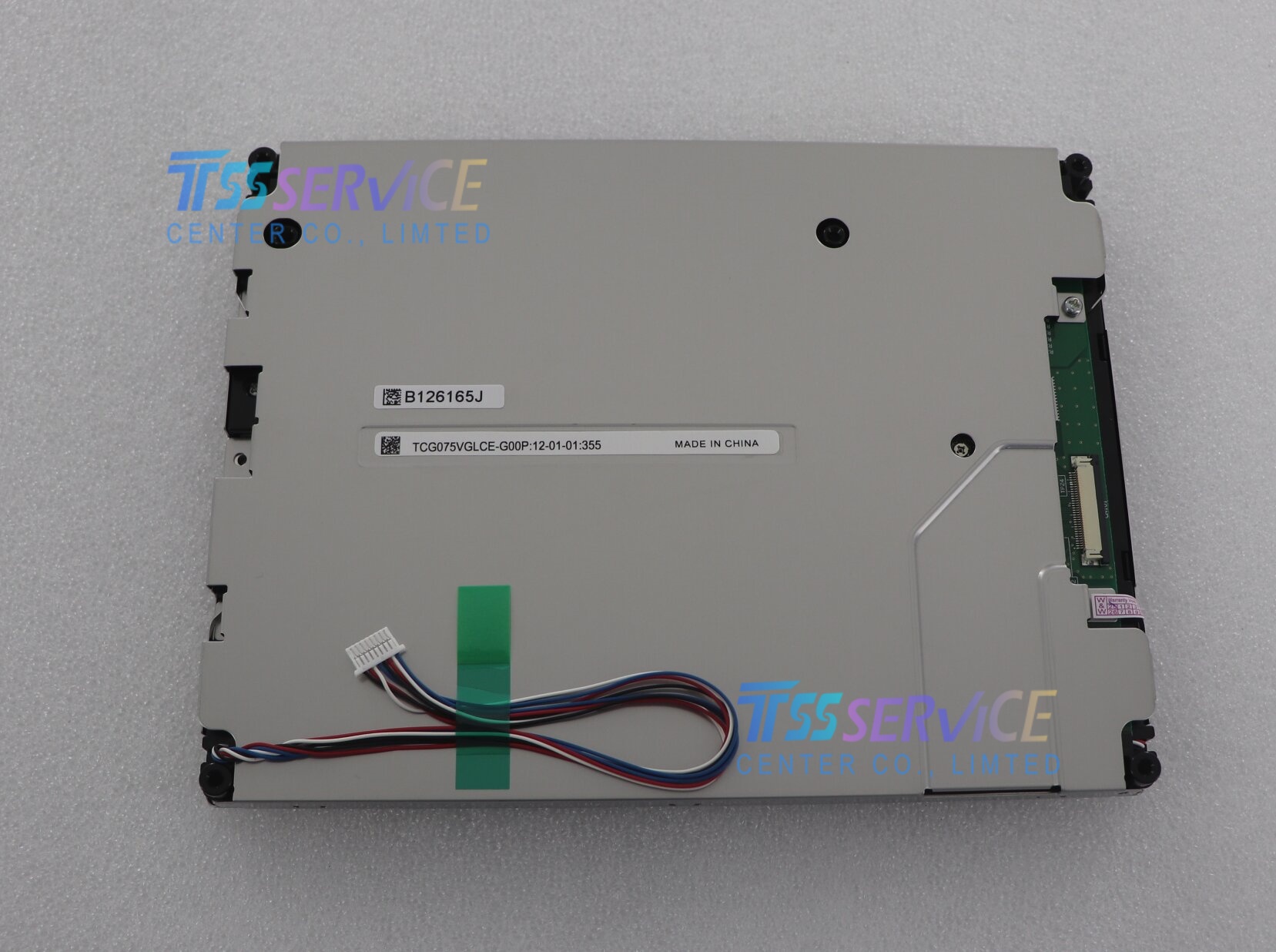
The modern industrial landscape demands display solutions that transcend the capabilities of consumer-grade electronics. Reliability under harsh conditions, specific aspect ratios, and longevity of supply are non-negotiable parameters. In this context, the TCG075VGLCE-G00 from Kyocera emerges as a critical component for engineers and system integrators. This 7.5-inch LCD panel, defined by a distinctive 640x480 resolution, represents a deliberate intersection of legacy compatibility and modern durability. Unlike the common 7-inch or 10-inch panels, this specific form factor and resolution cater to applications where precise data visualization and stable performance are paramount. This article deconstructs the technical architecture, operational benchmarks, integration challenges, and strategic advantages of this specific model, offering a comprehensive guide for professionals evaluating display options for mission-critical equipment.
Decoding the Specification: Why VGA Resolution Endures
At first glance, a 640x480 (VGA) resolution on a 7.5-inch diagonal screen might appear dated in a world dominated by high-density pixels. However, a deeper analysis reveals a deliberate design philosophy suited to industrial control. The TCG075VGLCE-G00 leverages the 4:3 aspect ratio, which is inherently superior for reading numerical data, monitoring graphs, and displaying legacy HMI (Human-Machine Interface) software without distortion or scaling artifacts. Many industrial protocols and older SCADA systems were engineered for this exact resolution.
Furthermore, the pixel pitch of this panel is optimized for viewing distances typical of machinery—usually 0.5 to 2 meters. A higher-resolution panel would require scaling, increasing CPU load and potentially introducing lag, while a lower resolution would sacrifice data density. The 7.5-inch diagonal, with a pixel density around 105 PPI, strikes a balance that ensures text remains legible and icons are crisp without causing eye strain over long shifts. The panel's transmissive TFT LCD technology, combined with a typical luminance of 450 cd/m², ensures that this VGA resolution remains highly readable even in brightly lit factory environments, a specification often overlooked by those focused solely on pixel count.
Optical and Environmental Fortitude: Built for the Factory Floor
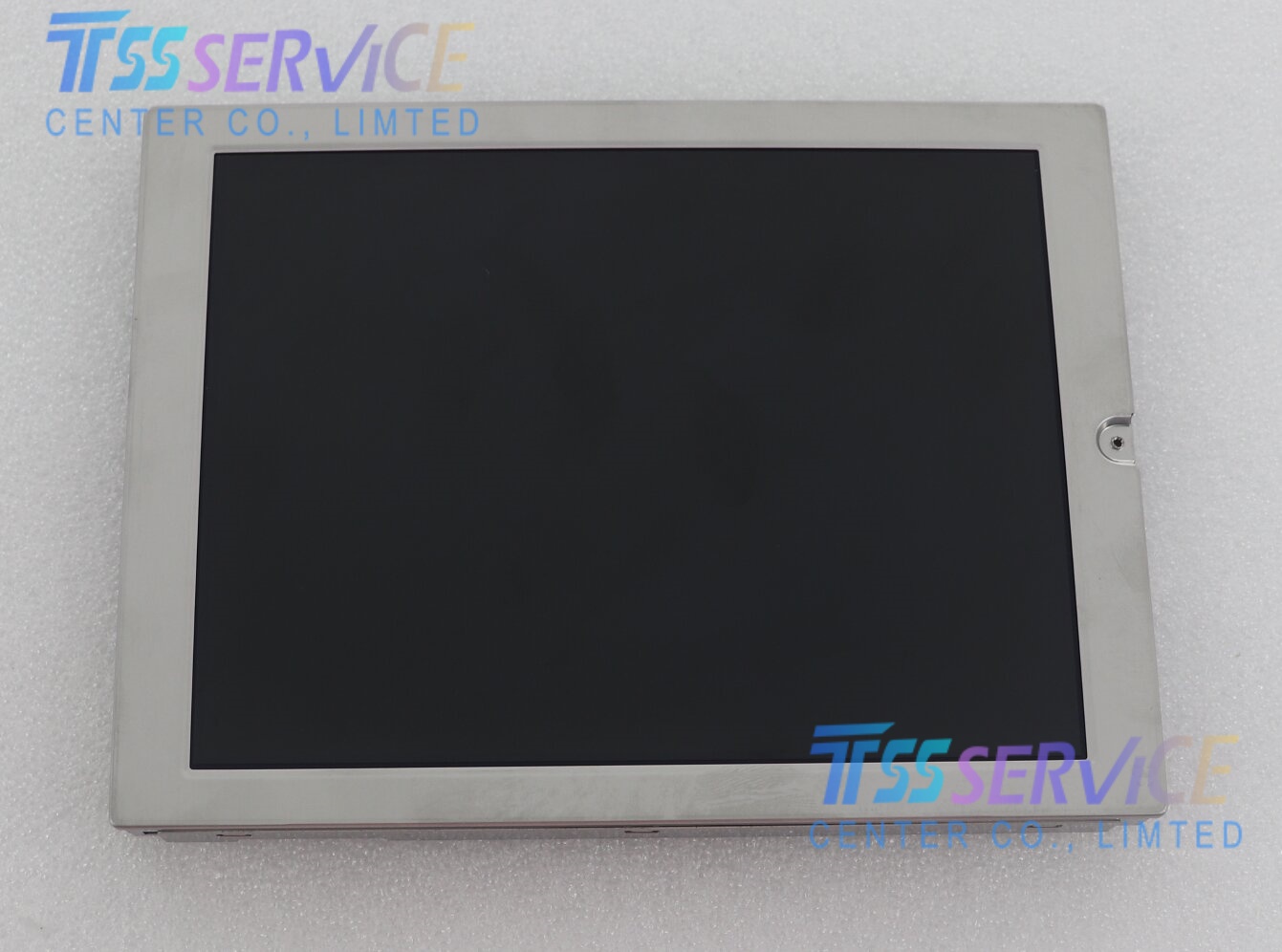
The true value of the TCG075VGLCE-G00 is revealed not in an office environment, but on the manufacturing floor. The panel is engineered for a wide operating temperature range, typically from -20°C to +70°C, which is essential for equipment near furnaces, refrigeration units, or outdoor enclosures. This thermal resilience is achieved through the use of a specific liquid crystal mixture and robust backlighting, often an LED system rated for over 50,000 hours of life.
Optically, the display features an anti-glare surface treatment and a wide viewing angle (often 80/80/80/80 degrees), which prevents catastrophic data loss when operators view the screen from non-ideal positions. The contrast ratio, typically exceeding 500:1, is critical for distinguishing between different states of machinery—like active vs. inactive zones on a control map. Unlike glossy consumer panels, the TCG075VGLCE-G00 is designed to reject ambient light reflection, a subtle but vital feature that reduces operator error. This combination of thermal endurance and optical clarity makes the panel suitable for applications ranging from CNC machine controls to medical ventilators, where environmental stability is non-negotiable for safety and productivity.
System Integration and Interface Logistics
From a hardware integration standpoint, the TCG075VGLCE-G00 operates on a CMOS LVDS (Low-Voltage Differential Signaling) interface, typically a 20-pin connector. This is a significant advantage for system designers. LVDS provides inherent resistance to electromagnetic interference (EMI), which is prevalent in industrial settings with high-power motors and inverters. The interface also allows for longer cable runs between the main processor board and the display, providing flexibility in mechanical design.
When integrating this panel, engineers must pay close attention to the timing controller (TCON) configuration. The panel usually requires a specific clock frequency and data mapping, which must be programmed correctly within the host system's BIOS or FPGA. A common integration challenge is managing the power sequencing; the TCG075VGLCE-G00 requires a strict voltage ramp-up sequence for the logic (3.3V) and backlight power to prevent latch-up. The backlight itself is often a separate 12V input, adding a layer of complexity to the power design. However, Kyocera provides detailed technical documentation, which simplifies the layout of the flexible printed circuit (FPC) and connector routing. System architects favor this model for its clean signal integrity and the predictability of the LVDS standard, which reduces the risk of field failures caused by signal degradation.
Strategic Value: Longevity and Supply Chain Reliability
The final and perhaps most compelling chapter of the TCG075VGLCE-G00 story is its lifecycle management. Kyocera is renowned for its commitment to long-term product availability, often guaranteeing supply for 5 to 7 years or more after initial release. For medical device manufacturers or industrial automation producers, this is a critical factor. Changing a display mid-production can require expensive re-certification and hardware redesign. The TCG075VGLCE-G00 is positioned as a "long-life" product, insulating OEMs from the rapid obsolescence cycles common in the consumer display market.
This panel is often selected for its consistent optical performance across production batches. Kyocera maintains strict manufacturing tolerances in Kyoto and other facilities, ensuring that replacement units will match the brightness and color uniformity of the original unit. This consistency is vital for multi-screen systems where a mismatch would be visually distracting. Additionally, the direct supply relationship or support from authorized distributors means that engineers can source the panel without navigating a gray market, which often contains counterfeit or recycled products. The total cost of ownership, factoring in reduced downtime and eliminated re-qualification costs, frequently makes this specific model a more economical choice than a cheaper, consumer-grade alternative.
Conclusion
The Kyocera TCG075VGLCE-G00 is more than a legacy resolution panel; it is a strategic asset for any industrial display design. Its deliberate VGA specification, robust environmental ratings, LVDS interface integrity, and guaranteed longevity solve systemic problems that high-resolution consumer panels simply cannot address. For the engineer, it offers a predictable, low-risk platform. For the business, it ensures a stable product lifecycle. In the pursuit of reliable human-machine interaction, where a screen failure means a production line halt, this 7.5-inch panel remains a benchmark of industrial-grade precision and durability, proving that sometimes the most sophisticated solution is the one built to last.


