In a move that blurs the line between digital content and physical space, Kyocera has unveiled a technological marvel: the world's first transparent OLED commercial display. This breakthrough is not merely an incremental upgrade to existing screens;
In a move that blurs the line between digital content and physical space, Kyocera has unveiled a technological marvel: the world's first transparent OLED commercial display. This breakthrough is not merely an incremental upgrade to existing screens; it represents a fundamental reimagining of the display's role in architecture, retail, and public interaction. By allowing viewers to see both vibrant digital imagery and the world behind the screen, Kyocera is pioneering a new category of visual communication.
This article delves into the profound implications of this innovation. We will explore the sophisticated technology that makes transparency possible, examine the transformative applications it unlocks across key industries, and critically analyze the challenges and future trajectory of this nascent market. This is more than a product launch—it's a glimpse into a future where information and environment seamlessly coexist.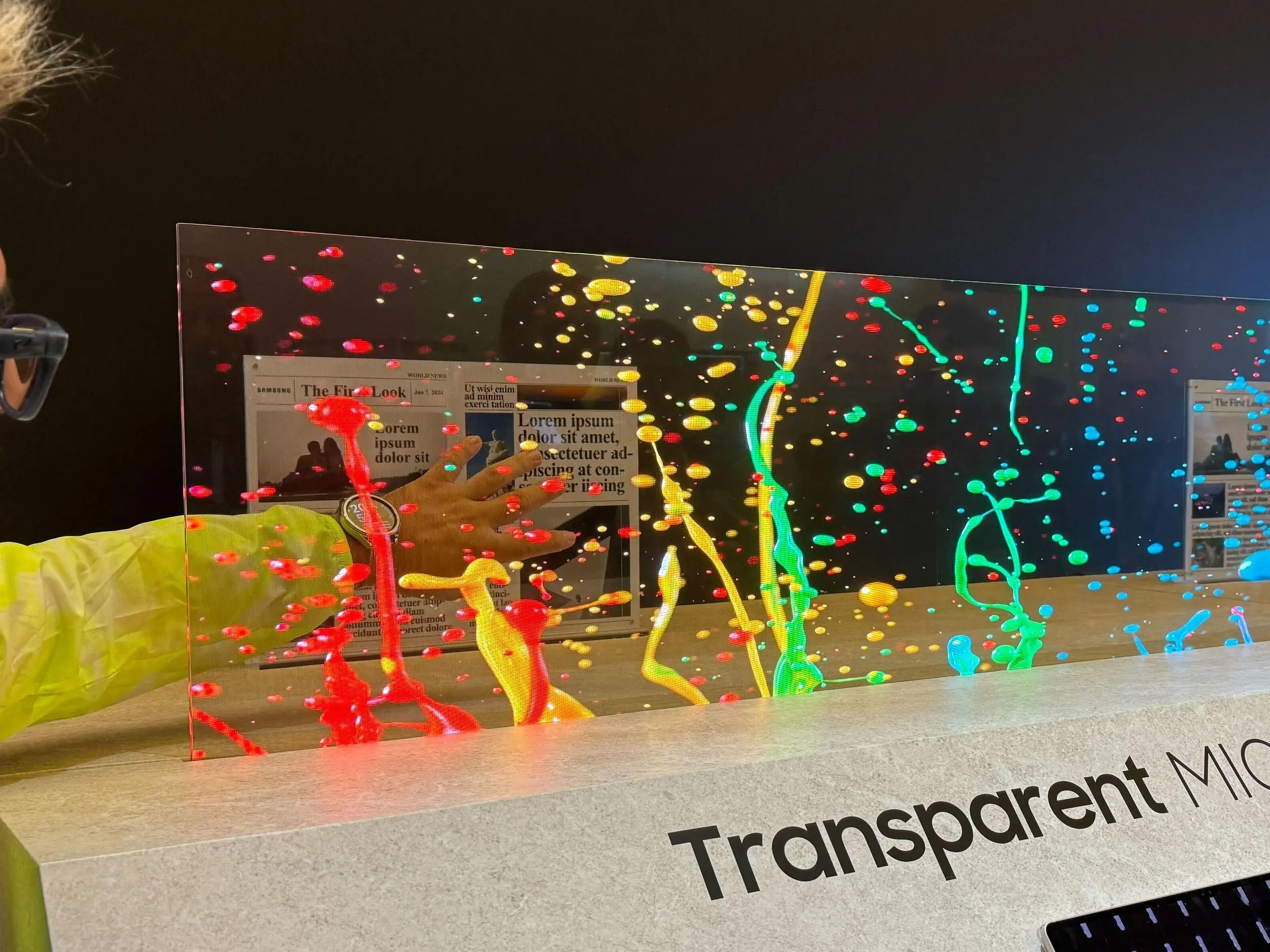
The Alchemy of Light and Transparency: Core Technology Unveiled
Kyocera's achievement hinges on a radical departure from conventional display design. Traditional OLED screens are built on opaque substrates and require a backlight, but transparent OLEDs (T-OLEDs) are engineered differently. Kyocera's display utilizes a highly transparent substrate, likely glass or a similar material, upon which the organic light-emitting diodes are deposited. When a pixel is off, it remains transparent, allowing light to pass through. When activated, the organic compounds emit light directly, creating the image.
The true engineering feat lies in maximizing both luminance and transmittance—a delicate balance. Kyocera has developed proprietary circuitry and pixel structures that are minimally obstructive to the view. Furthermore, they have addressed a key historical weakness of OLEDs: lifespan and burn-in. For commercial use, where displays may operate for long hours with static content, Kyocera has integrated advanced pixel-shifting and power management technologies to ensure durability and reliability, making the product viable for 24/7 operational environments like control rooms or high-end retail.
Redefining Spaces: Transformative Applications Across Industries
The advent of transparent commercial displays opens a portal to applications previously confined to science fiction. The impact will be felt across several verticals:
-
Retail & Hospitality: Storefront windows transform into interactive catalogs. Customers can see a mannequin wearing an outfit while the display overlays pricing, available colors, and styling tips, all without obstructing the view into the store. In hotels or museums, these displays can serve as dynamic, information-rich partitions or decorative elements that enhance rather than enclose a space.
-
Corporate & Public Venues: Boardrooms and control centers can use transparent screens for data visualization, allowing teams to view critical metrics while maintaining eye contact and seeing each other or physical documents behind the screen. In airports or train stations, they can provide wayfinding and flight information on glass barriers, reducing clutter and improving spatial awareness.
-
Art & Architecture: Artists and architects gain a new medium for digital art installations that interact with their surroundings. A transparent display in a building lobby could show an artistic animation that appears to float within the atrium, merging digital creativity with physical design in unprecedented ways.
Beyond the Hype: Market Challenges and the Road Ahead
Despite its revolutionary potential, Kyocera's transparent OLED faces significant hurdles on the path to widespread adoption. The foremost challenge is cost. The specialized materials and complex manufacturing process currently place this technology in a premium, niche segment, limiting initial deployment to flagship stores and high-budget projects. Secondly, content creation demands a new paradigm. Designers must think in layers, considering both the foreground digital content and the dynamic background, which changes with viewer perspective and ambient light.
Furthermore, the technology must evolve to meet diverse environmental needs, such as higher brightness for sunlit areas and optimized contrast ratios. Kyocera's entry, however, is the crucial first step that will catalyze the market. It validates the commercial demand and sets a benchmark, inviting competition that will inevitably drive innovation, improve economies of scale, and lower costs. The future will likely see larger sizes, higher resolutions, and the integration of touch and sensor technologies, making displays not just transparent, but intelligently interactive with their environment.
Kyocera's launch of the world's first transparent OLED commercial display marks a pivotal moment in visual technology, shifting the display from a destination for attention to a layer within our environment. By mastering the intricate balance of light emission and optical clarity, it unlocks transformative applications that redefine retail, corporate, and public spaces. While challenges in cost and content design remain, this innovation undeniably charts the course for the future, promising a world where digital information enhances rather than obscures the physical reality around us, seamlessly blending the virtual and the real.


