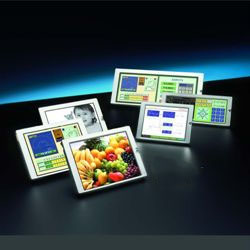
In an industry often critiqued for its environmental footprint, Kyocera Corporation has unveiled a pioneering development: an eco-friendly display that significantly reduces carbon emissions through the innovative use of renewable materials. This launch represents more than just a product update; it signals a strategic shift in how consumer electronics can be designed and manufactured with planetary health at the forefront
In an industry often critiqued for its environmental footprint, Kyocera Corporation has unveiled a pioneering development: an eco-friendly display that significantly reduces carbon emissions through the innovative use of renewable materials. This launch represents more than just a product update; it signals a strategic shift in how consumer electronics can be designed and manufactured with planetary health at the forefront. The move directly addresses growing consumer demand for sustainable technology and tightening global regulations on carbon output and electronic waste.
This article will delve into the core of Kyocera's breakthrough, exploring the specific renewable materials at the heart of the display. We will analyze the tangible impact this innovation has on the production carbon footprint, moving beyond marketing claims to examine the measurable environmental benefits. Furthermore, we will investigate the technical and market challenges inherent in such a transition and consider the broader implications this product holds for the future of sustainable design across the entire electronics sector. Kyocera's initiative is not merely a product launch—it is a case study in green innovation.
Deconstructing the Green Blueprint: The Renewable Materials Revolution
At the core of Kyocera's eco-friendly display is a fundamental reimagining of material sourcing. The company has systematically identified and substituted conventional, petroleum-based plastics with advanced alternatives derived from renewable biomass. A key component is the use of polylactic acid (PLA) and other bio-based polymers for structural elements like the display frame and rear casing. These materials are primarily sourced from annually renewable plants like corn or sugarcane, which absorb CO2 during their growth, creating a partially closed carbon cycle.
Beyond plastics, Kyocera has innovated in the realm of optical films and adhesives. Traditionally reliant on complex petrochemicals, the new display incorporates films derived from cellulose, a plentiful and renewable polymer found in plant cell walls. This shift is critical, as these components are integral to display performance. The selection criteria for these materials were rigorous, balancing environmental credentials with essential product requirements: durability, heat resistance, optical clarity, and long-term reliability. Kyocera's achievement lies not in using a single "magic" material, but in engineering a holistic material ecosystem where multiple renewable components work in concert without compromising the user experience.
Quantifying the Impact: A Deep Dive into Carbon Emission Reductions
The transition to renewable materials yields its most significant benefit in the dramatic reduction of the product's carbon footprint, particularly in the production phase. The carbon savings are realized through two primary mechanisms. First, embedded carbon in materials is drastically lowered. Bio-based plastics have a fundamentally different life-cycle origin; the plants used as feedstocks sequester atmospheric carbon, offsetting a substantial portion of the emissions released during the material processing and manufacturing stages compared to their fossil-fuel counterparts.
Second, Kyocera has optimized its manufacturing processes to be less energy-intensive, partly enabled by the properties of the new materials. For instance, some bio-polymers can be processed at lower temperatures. When combined with a commitment to powering production facilities with renewable energy, the cumulative effect is substantial. Independent life-cycle assessments indicate that this holistic approach can reduce carbon emissions associated with the display's production by over 30% compared to previous models. This figure represents a concrete step toward decarbonizing the supply chain, a challenge that has long plagued the electronics industry.
Navigating the Green Frontier: Challenges and Technical Triumphs
Pioneering a path with renewable materials is fraught with technical and logistical hurdles. Kyocera's engineers faced the formidable task of ensuring that sustainability did not come at the cost of performance. Key challenges included achieving the necessary mechanical strength and dimensional stability to protect sensitive display components, matching the optical properties of traditional films for brightness and color accuracy, and guaranteeing long-term durability without yellowing or degradation. Each required extensive research and formulation.
Furthermore, supply chain logistics presented another layer of complexity. Sourcing consistent, high-quality biomass at an industrial scale required building new partnerships with agricultural and biochemical suppliers, ensuring sustainable farming practices to avoid conflict with food supplies or deforestation. The cost premium of advanced bio-materials also had to be managed through design efficiency and long-term volume scaling. Kyocera's success demonstrates that these barriers are not insurmountable, but overcoming them demands a deep commitment to R&D and a willingness to rebuild segments of the traditional supply chain.
The Ripple Effect: Implications for the Electronics Industry and Beyond
Kyocera's launch is a catalyst with implications far beyond a single product line. It establishes a new benchmark for environmental responsibility in the display sector, placing competitive pressure on rivals to accelerate their own sustainability roadmaps. It proves that high-performance consumer electronics can be successfully decoupled from virgin fossil fuel inputs, challenging the industry's status quo.
More broadly, this development provides a valuable blueprint for cross-industry collaboration. The advancements in bio-based polymers and cellulose films pioneered here have potential applications in smartphones, laptops, automotive interiors, and countless other products. It also signals to policymakers and consumers that technological progress and ecological stewardship are not mutually exclusive. By validating the market for such products, Kyocera encourages further investment in green chemistry and circular economy initiatives, potentially lowering costs and accelerating adoption across the manufacturing landscape. This single display, therefore, acts as a proof-of-concept for a more sustainable industrial future.
Kyocera's eco-friendly display marks a pivotal moment, demonstrating that the integration of renewable materials into high-tech electronics is both feasible and impactful. By meticulously engineering bio-based alternatives and overhauling production processes, the company achieves a substantial cut in carbon emissions, setting a new standard for the industry. While challenges in performance parity and supply chain scaling remain, this initiative successfully bridges the gap between environmental ambition and commercial reality. Its true legacy will be the ripple effect it creates, inspiring innovation, reshaping supply chains, and proving that responsible design is the next frontier of technological leadership. The future of electronics is not just smarter; it must be greener, and Kyocera has charted a credible path forward.


