In the relentless pursuit of display technologies that harmonize with our environment rather than compete against it, Kyocera Corporation has unveiled a breakthrough poised to redefine portable visual interfaces. The company has developed a novel reflective color LCD that masterfully addresses two critical challenges: exceptional readability under direct sunlight and drastically reduced power consumption.
In the relentless pursuit of display technologies that harmonize with our environment rather than compete against it, Kyocera Corporation has unveiled a breakthrough poised to redefine portable visual interfaces. The company has developed a novel reflective
color LCD that masterfully addresses two critical challenges: exceptional readability under direct sunlight and drastically reduced power consumption. This innovation is not merely an incremental improvement but a significant leap, specifically targeting applications like e-readers and outdoor instrumentation where these attributes are paramount.
Targeting a market long dominated by monochrome E Ink, Kyocera's development promises to bring vibrant color to devices used in the harshest lighting conditions, all while preserving the battery life users have come to expect. This article delves into the core technology behind this display, explores its transformative potential for key industries, and examines the broader implications for a more sustainable and user-centric digital experience.
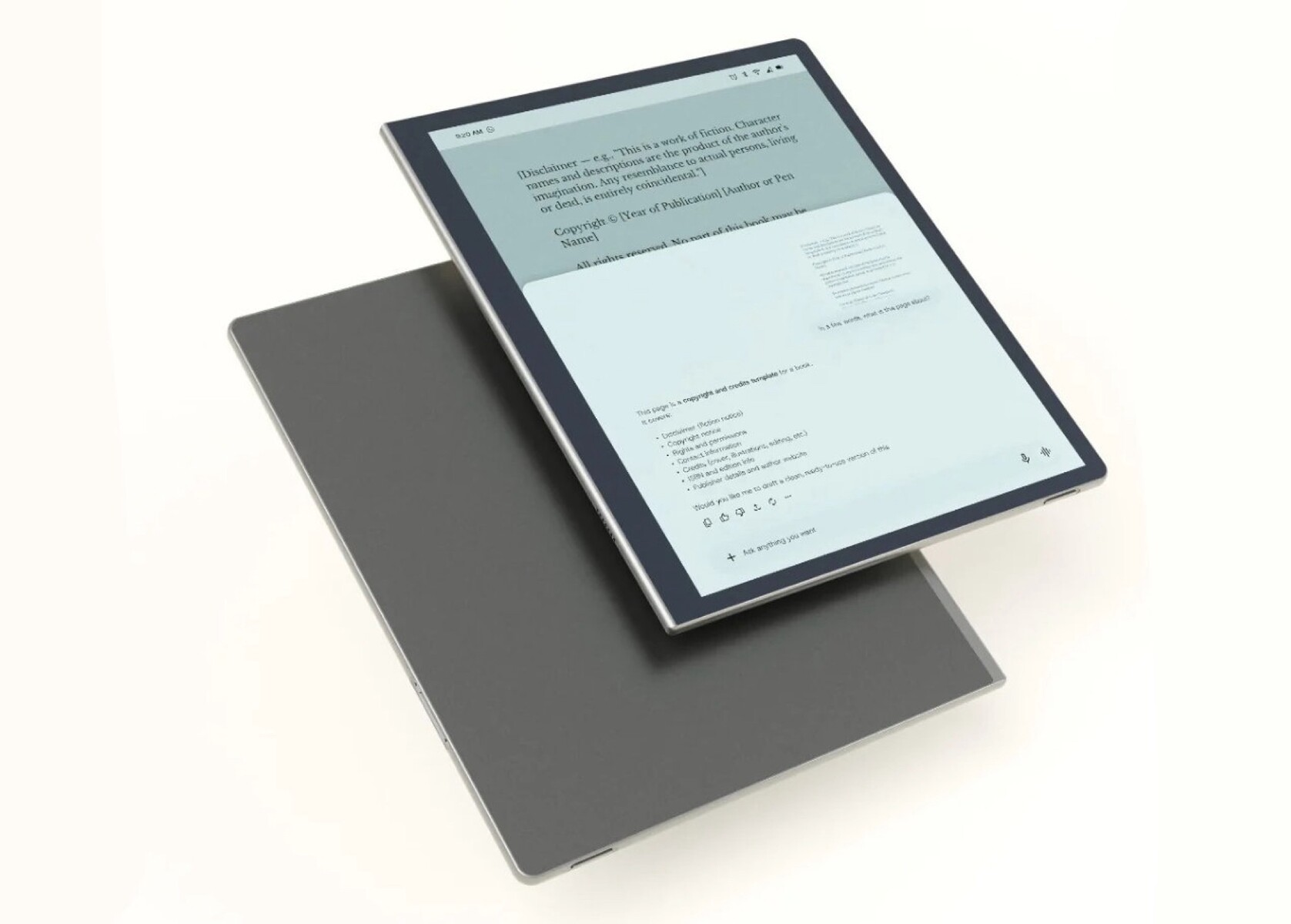
Unveiling the Technology: How Sunlight Becomes the Light Source
At the heart of Kyocera's achievement lies a fundamental re-imagining of how displays generate light. Unlike conventional LCDs that rely on a power-hungry backlight or emissive technologies like OLED that generate their own light, this reflective LCD utilizes ambient light. It incorporates a sophisticated front light and a high-efficiency reflective layer. Under bright conditions, such as sunlight, the display leverages natural light for illumination, mirroring the principle of reading ink on paper. This eliminates the glare and washout effect that plagues standard screens outdoors.
For low-light environments, an ultra-efficient LED front light can be activated, consuming a fraction of the power a traditional backlight requires. The color reproduction is achieved through an advanced color filter array and precise pixel control, ensuring vibrancy without compromising the reflective efficiency. The result is a display that offers outstanding contrast and color fidelity across lighting environments, while its static image retention capability—a key feature for e-readers—draws virtually zero power, enabling weeks or even months of use on a single charge.
Transforming Industries: E-Readers and Beyond
The immediate and most evident application for this technology is in the next generation of e-readers. Current color e-paper solutions often face trade-offs in refresh rate, color saturation, or cost. Kyocera's reflective LCD promises to deliver a paper-like reading experience with rich magazine-quality color and faster refresh rates suitable for basic animations or smoother page turns. This could finally bridge the gap between the immersive, colorful world of tablets and the eye-comfort and longevity of dedicated e-readers.
Beyond consumer reading, the implications for outdoor instruments and industrial devices are profound. Imagine navigation systems on boats, diagnostic tools in field service, or measurement panels on solar farms—all featuring displays that become clearer as the sun intensifies, rather than fading to black. This reliability enhances safety, efficiency, and usability in critical outdoor operations. Furthermore, the rugged nature and wide operating temperature range typical of such displays align perfectly with the demands of these challenging environments.
The Sustainable and User-Centric Advantage
Kyocera's innovation carries significant weight in the context of global sustainability efforts and enhanced human-computer interaction. The ultra-low power consumption directly translates to extended battery life, reducing the frequency of charges and, consequently, the energy draw from the grid. For devices deployed at scale in the Internet of Things (IoT), this efficiency can lead to a substantial reduction in overall electronic waste and energy consumption, as battery replacements become less frequent and smaller batteries can be used.
From a user experience standpoint, this technology aligns with physiological needs. By reflecting light instead of emitting it directly into the user's eyes, it significantly reduces eye strain and visual fatigue during prolonged use—a common complaint with conventional screens. This human-centric design philosophy, combined with environmental benefits, positions Kyocera's reflective color LCD not just as a new product, but as a responsible step forward in display technology, prioritizing both planetary and personal well-being.
Kyocera's development of a high-performance reflective color LCD marks a pivotal moment for display technology, successfully merging vibrant color with sunlight readability and groundbreaking energy efficiency. Its potential to revolutionize e-readers, empower outdoor instrumentation, and enable new IoT applications is immense. More than a technical feat, this advancement champions a sustainable and user-friendly future, where our digital interfaces work in concert with natural light rather than against it. As this technology moves toward commercialization, it promises to reshape our expectations of portable displays, offering a clearer, more enduring, and more harmonious window to our digital world.


