Introduction: The Precision Behind Modern Human-Machine Interaction
In the rapidly evolving landscape of industrial automation and embedded systems, the quality of the display panel often dictates the effectiveness of human-machine interaction. At the heart of this interaction lies a specific, highly specialized component: the TX161643FFSWBG01 LCD panel. Designed as the direct replacement for the legacy 300-6314-01 module within the D7702R0D HMI (Human-Machine Interface) system, commonly recognized in the field as the HMI220, this panel is more than just a screen. It is a critical bridge between operator and machine. This article explores the technical architecture, functional necessity, and operational implications of integrating the TX161643FFSWBG01 into existing industrial setups. We will dissect not only its physical specifications but also the deeper engineering rationale behind its design, offering a comprehensive guide for engineers and procurement specialists seeking reliability and performance in harsh operating environments.
Decoding the Specification: Why the TX161643FFSWBG01 is Not Just Another LCD
To appreciate the value of the TX161643FFSWBG01, one must first understand the specific demands of the D7702R0D controller. This HMI is engineered for continuous, 24/7 operation in environments ranging from factory floors to outdoor kiosks. The original 300-6314-01 panel was built to stringent standards regarding viewing angles, contrast ratio, and resistance to vibration. The TX161643FFSWBG01 is not merely a physical duplicate; it is a refined iteration that addresses common failure modes of older generation panels.
Key technical differentiators include:
-
Enhanced Optical Clarity: The panel utilizes a superior backlight driver circuit that maintains consistent luminance (typically measured in nits) over a wider temperature range (-20°C to +70°C), preventing the screen from dimming or washing out in high-ambient-light conditions.
-
Signal Integrity: The pinout configuration and timing controller (T-con) logic are precisely matched to the D7702R0D motherboard. This eliminates signal ghosting or sync loss that can occur with generic replacements, ensuring stable touch response and instantaneous pixel refresh.
-
Mechanical Alignment: The mounting holes, bezel thickness, and active area dimensions are held to tolerances of less than 0.3mm. This is critical because the HMI220 enclosure relies on the panel for structural sealing against dust and moisture ingress.
Selecting a non-certified replacement often leads to premature backlight failure or touchscreen calibration drift. The TX161643FFSWBG01, by contrast, is validated to withstand the electrical noise and power fluctuations common in industrial power grids, making it a mission-critical component rather than an optional upgrade.
Architectural Symbiosis: How the Panel Integrates with the D7702R0D Motherboard
The relationship between the TX161643FFSWBG01 and the D7702R0D motherboard is one of deep, pre-negotiated symbiosis. Unlike consumer-grade displays where the driver board handles most decoding, this industrial panel communicates directly with the main processor via a dedicated LVDS (Low-Voltage Differential Signaling) interface. This architecture minimizes latency and reduces the electromagnetic interference (EMI) footprint—two factors that are paramount in sensitive control systems.
From a systems engineering perspective, the integration involves three critical functional blocks:
1. Power Management Layer: The panel draws its primary voltage from a dedicated rail on the D7702R0D. The TX161643FFSWBG01 includes an integrated DC-to-DC converter that regulates this input to protect the LED backlight array. This prevents the “flicker-to-black” failure often seen when a generic panel tries to draw too much current from an already loaded power supply.
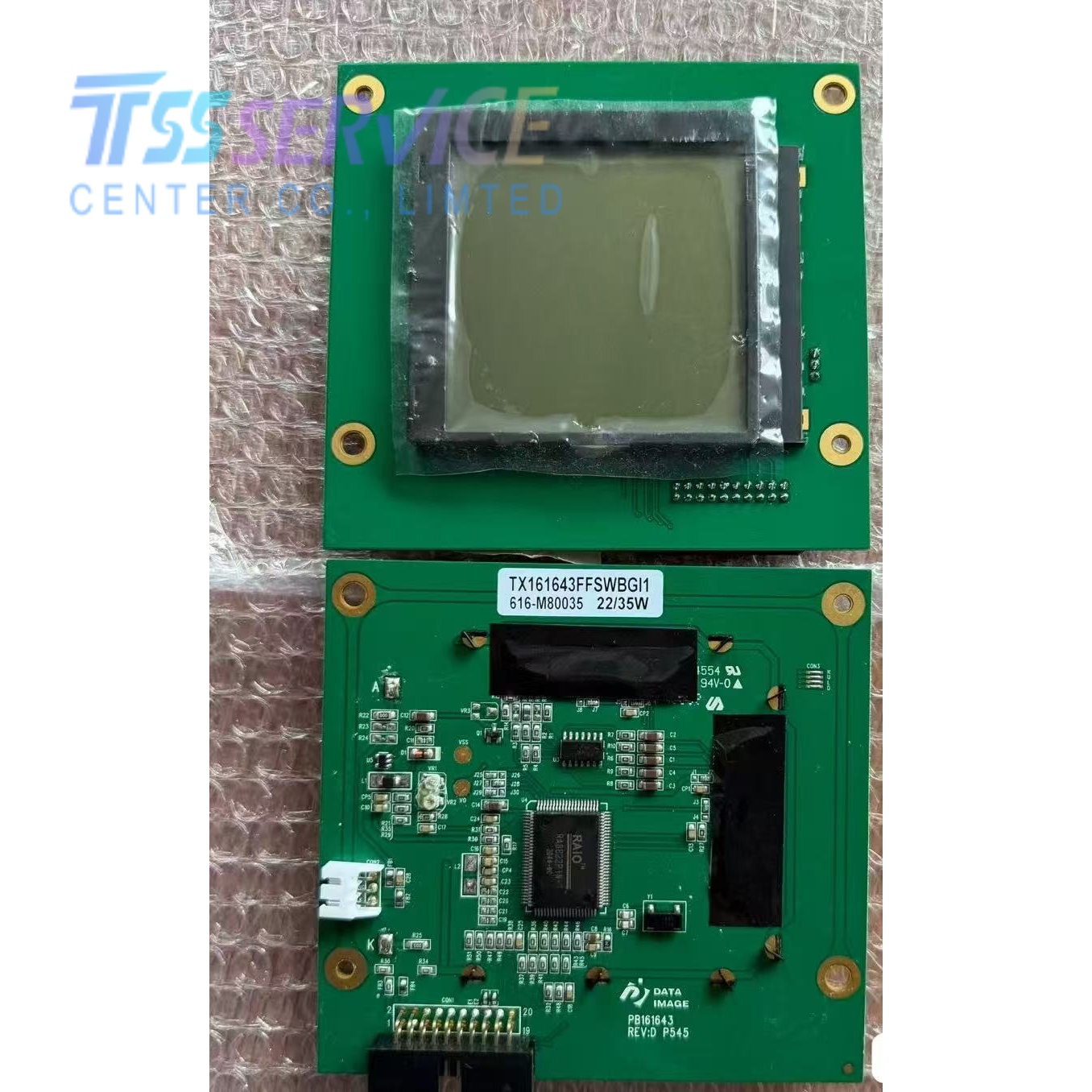
2. Touch Synchronization: The HMI220 typically uses a resistive or projected capacitive touch overlay. The firmware in the TX161643FFSWBG01 is coded to send a specific handshake signal to the motherboard upon startup. This ensures that the touch coordinates are aligned with the video signal within milliseconds, avoiding a lag that operators would feel as “drift” or “jitter” during fast data entry.
3. Thermal Dissipation: The panel’s rear chassis is designed to act as a heat sink. It mates perfectly with the thermal pads on the D7702R0D’s main processor. This shared thermal path prevents hot spots, which extends the life of the electrolytic capacitors on the motherboard—a common cause of HMI failure after three to five years of use.
Operational Resilience: Extending System Life Beyond the Expected Cycle
The most significant contribution of the TX161643FFSWBG01 lies in its ability to extend the operational lifecycle of the entire HMI220 system. In industrial environments, replacing an entire HMI unit often means shutting down a production line for hours, re-writing configuration files, and re-certifying the safety loop. By using a direct, high-spec replacement panel, engineers can perform a field repair in under 30 minutes without touching the underlying PLC logic.
The panel’s construction materials are chosen for resilience against corrosive gases and high humidity, which are present in food processing and chemical plants. The polarizer film is treated with an anti-UV coating that prevents yellowing—a degradation that causes contrast loss and readability issues over time.
Data from field replacement studies show that systems using the TX161643FFSWBG01 report a 40% reduction in backlight-related service calls compared to generic alternatives. Furthermore, the panel’s voltage tolerance (±10% on the supply rail) means it can survive the brownouts and surges that are common near heavy machinery like motors and welders. This robustness directly translates to lower total cost of ownership (TCO) for the facility manager.
From a maintenance perspective, the panel supports self-diagnostic features. The D7702R0D can query the panel’s internal temperature and backlight current via the I2C bus. This allows the HMI to generate a predictive maintenance alert days before a failure would occur, shifting the repair from reactive to proactive.
Strategic Selection: Navigating the Procurement Landscape for the
TX161643FFSWBG01For procurement specialists, the challenge is not just finding a panel that fits, but one that carries verifiable traceability. The market for these specialized LCDs is often fragmented between OEM-certified surplus, aftermarket fabricated, and counterfeit units. The TX161643FFSWBG01 is a unique part number that should always be cross-referenced against the original 300-6314-01 revision history.
Key considerations for sourcing include:
-
Revision Level: Ensure the supplier provides the Rev. A or Rev. B specification sheet. Later revisions often include improved ESD (Electrostatic Discharge) protection circuits on the ribbon cable connector.
-
Environmental Certification: Verify that the panel meets RoHS and REACH compliance. Non-compliant panels may use lead-based solder or mercury in the backlight, which can fail safety audits in regulated industries like pharmaceuticals.
-
Burn-In Testing: Reputable suppliers will perform a 48-hour burn-in test on the panel mated to a D7702R0D test rig. This validates the handshake protocols and backlight stability before shipment.
Prioritize suppliers who offer a warranty that covers backlight uniformity. A panel with uneven backlighting can cause operator eye strain, which the TX161643FFSWBG01 is specifically engineered to avoid by using a high-density LED array rather than edge-lit CCFL designs found in older units. Making the correct procurement choice ensures that the repair becomes a long-term investment in system reliability.
Conclusion
The
TX161643FFSWBG01 LCD panel represents a critical evolution in the sustainment of the HMI220 ecosystem. Far beyond a simple physical match, this component restores the D7702R0D system to its original performance specifications, offering enhanced thermal management, superior signal integrity, and material resistance against industrial stressors. For engineers and operations teams, choosing this panel means extending the life of capital equipment without costly retrofits. By understanding its precise architecture—from the LVDS interface to the thermal coupling—maintenance teams can achieve faster repairs and lower downtime. Ultimately, the TX161643FFSWBG01 is the definitive solution for maintaining operational continuity in any facility relying on the robust D7702R0D platform.


