As daylight dwindles and winter's chill sets in, many grapple with the familiar weight of seasonal mood dips, characterized by low energy and melancholy. In a fascinating convergence of wellness and technology, a new contender has emerged for the home self-care arsenal
As daylight dwindles and winter's chill sets in, many grapple with the familiar weight of seasonal mood dips, characterized by low energy and melancholy. In a fascinating convergence of wellness and technology, a new contender has emerged for the home self-care arsenal: the LED light therapy mask. Once confined to high-end dermatology clinics, these futuristic-looking devices are now promising not only cosmetic benefits but also a potential lifeline for combating the winter blues. This article delves deep into the science behind this trend, exploring how targeted light wavelengths are entering the domestic sphere to offer a non-invasive, accessible approach to uplifting mood and enhancing overall well-being during the darker months.
The Science of Light: More Than Skin Deep
The efficacy of LED light therapy masks extends far beyond superficial skincare, rooted in robust photobiomodulation science. Our bodies' internal clocks, or circadian rhythms, are exquisitely tuned to light cues, particularly blue wavelengths in the morning that suppress melatonin and boost alertness. Conversely, the reduced sunlight exposure in winter disrupts this rhythm, contributing to seasonal affective disorder (SAD) symptoms. Red and near-infrared light, commonly featured in these masks, penetrate deeper into the skin and tissue. They are believed to stimulate cellular mitochondria, enhancing ATP (energy) production and reducing oxidative stress and inflammation—factors linked to mood regulation. This foundational biological mechanism transforms the mask from a beauty gadget into a potential tool for neurological and systemic wellness, setting the stage for its psychological applications.
Bridging the Clinic-Home Divide: Technology Democratized
The migration of LED light therapy from clinical to home use marks a significant shift in personal wellness technology. Early devices were bulky, prohibitively expensive, and required professional operation. Advances in LED efficiency, flexible materials, and battery technology have enabled the creation of safe, wearable, and affordable masks. Modern iterations offer multi-wavelength systems—combining red for anti-inflammatory effects, blue for antibacterial properties, and sometimes amber or green for calming—all controlled via a simple handheld remote or smartphone app. This democratization empowers users with consistent, convenient access, a critical factor for the daily regimen required to influence circadian biology and mood, effectively putting a non-pharmacological therapeutic option directly into consumers' hands.
A Ritual for Winter Wellness: Integrating Light into Daily Routine
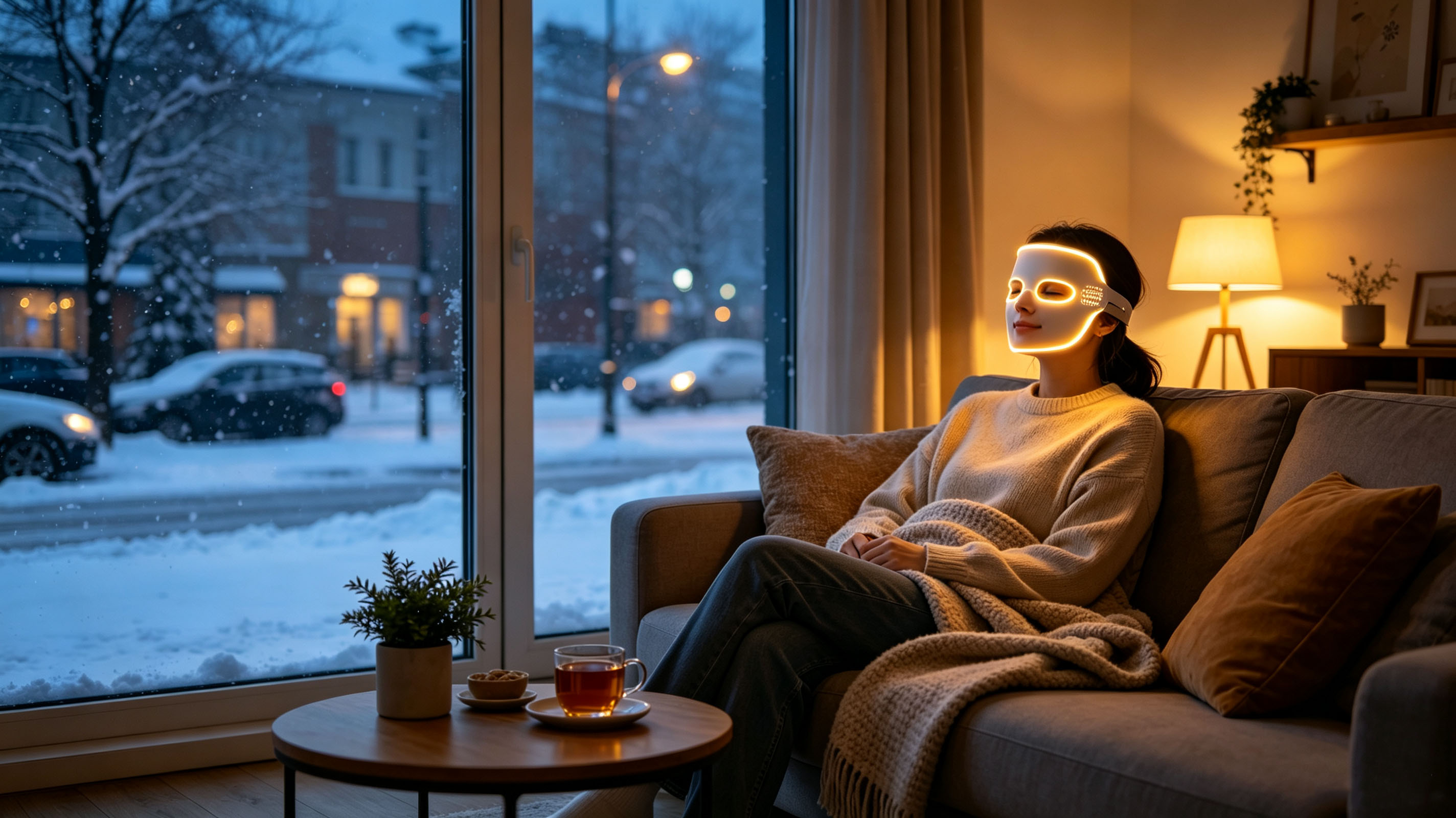
Consistency is paramount for any therapy to show effects, and the design of home LED masks fosters the creation of a sustainable winter wellness ritual. Unlike a seasonal supplement, the mask offers a tangible, daily practice—a dedicated 10-20 minutes of quiet, focused self-care. This ritual itself holds psychological power, carving out a mindful pause in the day. Users often report pairing their light session with meditation, deep breathing, or listening to calming music, thereby amplifying the restorative benefits. The gentle, warm glow and the requirement to sit still become anchors of predictability and comfort against winter's erratic gloom, addressing mood dips through both biological intervention and behavioral mindfulness.
Beyond the Glow: Holistic Benefits for Mind and Body
While mood elevation is a primary focus, the holistic benefits of regular LED mask use create a positive feedback loop for overall winter well-being. Improved skin condition—a common result of red and blue light therapy—can boost self-esteem and body image, counteracting the negative self-perception that often accompanies low mood. Furthermore, the potential for reduced inflammation and enhanced cellular repair can translate to better sleep quality and increased daytime energy levels. This multifaceted impact is crucial; by addressing concurrent symptoms like fatigue, skin dullness, and low vitality, the therapy supports a more comprehensive uplift, making the individual more resilient to seasonal stressors both mentally and physically.
Navigating the Market: Key Features for Mood Support
Not all LED masks are created equal, especially when targeting mood and circadian support. Informed consumers should prioritize specific features. Wavelength accuracy is critical—look for masks specifying medical-grade LEDs emitting precise nanometers (e.g., 630nm red, 830nm near-infrared). Coverage is another factor; full-face masks that include the forehead and cheek areas may offer more comprehensive effects. Consider the following checklist when evaluating a mask for mood-related use:
-
Medical-Grade LEDs: Ensure clinical wavelengths and sufficient irradiance (power output).
-
Near-Infrared (NIR) Capability: Essential for deeper tissue penetration and systemic benefits.
-
Safety Certifications: Look for FDA-cleared or CE-marked devices for peace of mind.
-
Comfort & Usability: A comfortable fit and easy controls encourage daily adherence.
Understanding these specifications ensures an investment in a tool with genuine therapeutic potential, rather than a simple cosmetic novelty.
Realistic Expectations and Complementary Practices
It is vital to frame the LED light therapy mask as a supportive component within a broader winter wellness strategy, not a standalone cure. For individuals with clinically diagnosed SAD, it should complement, not replace, professional medical advice which may include psychotherapy or light boxes designed for full retinal exposure. The mask's effects are cumulative and subtle for mood; results may be felt as a gradual lifting of brain fog or improved morning alertness over several weeks. For optimal synergy, its use should be paired with other evidence-based practices: maximizing natural daylight exposure, maintaining regular physical activity, nurturing social connections, and ensuring a nutrient-rich diet. This integrated approach creates a robust defense against seasonal mood dips.
The advent of home LED light therapy masks represents a promising fusion of accessible technology and biophysical science, offering a novel, proactive tool for winter well-being. By harnessing specific light wavelengths to support circadian rhythms and cellular energy, these devices address the root biological disruptions of the season. When integrated thoughtfully as part of a consistent self-care ritual and a holistic lifestyle approach, they can provide meaningful support in easing seasonal mood dips, illuminating a path toward greater resilience and balance during the year's darkest chapters.


