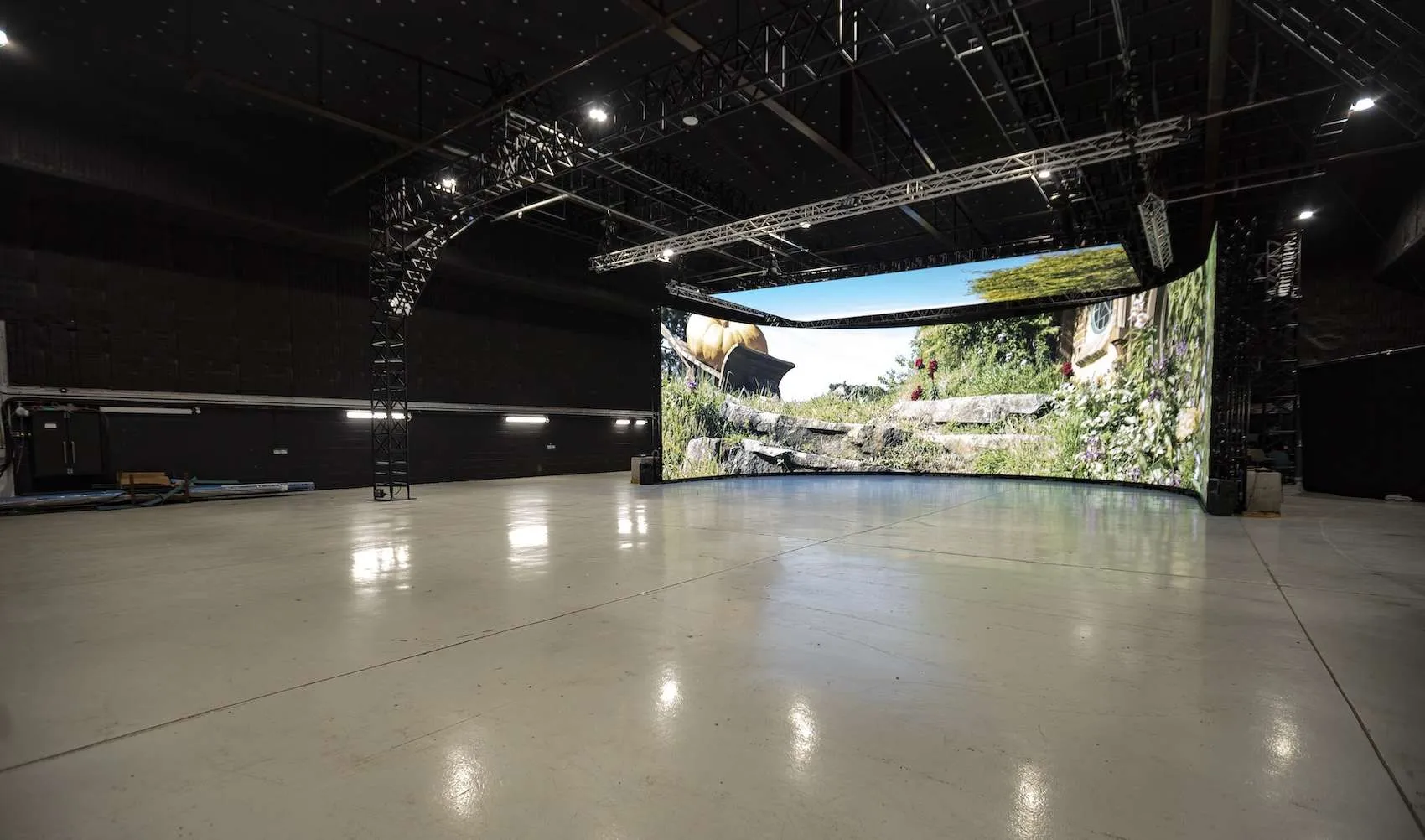
The global media production landscape is undergoing a seismic shift, driven by a single, transformative technology: the LED volume. These massive, curved walls of high-resolution LED panels are replacing traditional green screens, enabling creators to generate breathtaking, photorealistic backgrounds in-camera.
The global media production landscape is undergoing a seismic shift, driven by a single, transformative technology: the LED volume. These massive, curved walls of high-resolution LED panels are replacing traditional green screens, enabling creators to generate breathtaking, photorealistic backgrounds in-camera. The most telling indicator of this revolution's velocity is a striking market statistic: the number of dedicated LED virtual production studios worldwide has surged by approximately 60% year-over-year. This isn't merely incremental growth; it's an explosion, signaling a fundamental rethinking of how visual content is crafted.
This meteoric rise prompts critical questions. What powerful forces are fueling this unprecedented adoption? Beyond the headline-grabbing numbers, how is this technology tangibly reshaping creative and economic paradigms for filmmakers and studios? Finally, as the infrastructure proliferates, what emerging trends and challenges will define its future? This article delves into the drivers, impacts, and evolving frontier of the LED virtual production boom.
The Convergence of Technology and Necessity: Key Market Drivers
The 60% YoY growth is not a spontaneous phenomenon but the result of a powerful convergence of factors. Primarily, the technology itself has reached a critical maturity point. LED panel pixel pitches have decreased dramatically while brightness, color accuracy, and refresh rates have improved, finally meeting the exacting demands of high-end cinematic capture. This is coupled with equally sophisticated advancements in real-time game engine software (like Unreal Engine) and camera tracking systems, creating a seamless, integrated pipeline.
Simultaneously, powerful market necessities have accelerated adoption. The pandemic exposed the vulnerabilities of location-based shooting, making the controlled, predictable environment of an LED volume immensely attractive. Furthermore, the relentless demand for high-volume visual effects content from streaming services has created a bottleneck. Virtual production offers a solution by consolidating processes—allowing directors, cinematographers, and actors to interact with final pixels on set—which can significantly reduce post-production time and costly VFX revisions. The economic argument, once speculative, is now being proven with tangible ROI, driving investment from studios seeking efficiency and creative control.
Beyond the Screen: Transforming Creative and Operational Workflows
The impact of LED volumes extends far beyond replacing a green backdrop; it fundamentally rewires production workflows. Creatively, it restores a profound sense of immediacy and authenticity. Actors perform within the narrative environment, with accurate lighting and reflections interacting naturally with the virtual world. Cinematographers can compose shots with the final image in view, making definitive lighting decisions on the day. This "what-you-see-is-what-you-get" methodology empowers directors, fostering more iterative and collaborative on-set decision-making.
Operationally, the shift is equally profound. While upfront costs for stage construction and technical expertise are substantial, the long-term calculus changes. Studios gain unprecedented scheduling independence, no longer hostage to weather, permit issues, or travel logistics. Scenes set in disparate global locations can be shot sequentially on the same stage. This reduces carbon footprints associated with large crew travel and location builds, aligning with growing sustainability mandates in the industry. The model shifts from a linear, sequential process to a more integrated, agile, and potentially cost-predictable one, albeit with a different skill set requirement for crew.
The Next Frontier: Democratization, Specialization, and Content Diversification
As the number of studios grows, the market is naturally evolving and segmenting. We are moving beyond the initial phase of flagship, mega-volumes built for blockbuster films. The next wave includes democratization, with smaller, more affordable volumes and turnkey solutions opening the technology to indie filmmakers, commercial productions, and even educational institutions. Concurrently, we see specialization: studios are tailoring volumes for specific use cases, such as automotive configurators, high-fashion campaigns, or live broadcast news and sports extensions.
This proliferation will also drive content diversification. While epic sci-fi and fantasy were the early adopters, the technology is proving ideal for period dramas, contemporary interiors, and any scene requiring complex background control. The challenge will be managing the talent and knowledge gap, as the industry urgently needs a new cohort of "virtual production supervisors" who blend cinematic knowledge with real-time technical expertise. Furthermore, as more content is created within volumes, establishing robust digital asset libraries and standardizing data workflows will become crucial for sustained efficiency and innovation.
The 60% year-over-year growth in LED virtual production studios is a definitive metric marking the industry's pivot from experimental technology to core production methodology. This expansion is fueled by technological maturity and pressing economic and creative needs, leading to a fundamental transformation in how stories are visualized and produced. As the ecosystem matures through democratization and specialization, its influence will extend beyond blockbuster filmmaking into broader media creation. The virtual production revolution is no longer on the horizon; it is being built, panel by panel, in studios around the world, redefining the very canvas of visual storytelling.


