In the intricate world of embedded systems and human-machine interfaces, the display panel serves as the critical bridge between digital information and human perception. Selecting the right component is paramount, balancing technical specifications with practical application needs. This article delves into a detailed exploration of the LM5Q321,
In the intricate world of embedded systems and human-machine interfaces, the display panel serves as the critical bridge between digital information and human perception. Selecting the right component is paramount, balancing technical specifications with practical application needs. This article delves into a detailed exploration of the LM5Q321, a specific 5.0-inch QVGA LCD display panel, moving beyond basic datasheet parameters to uncover its real-world implications.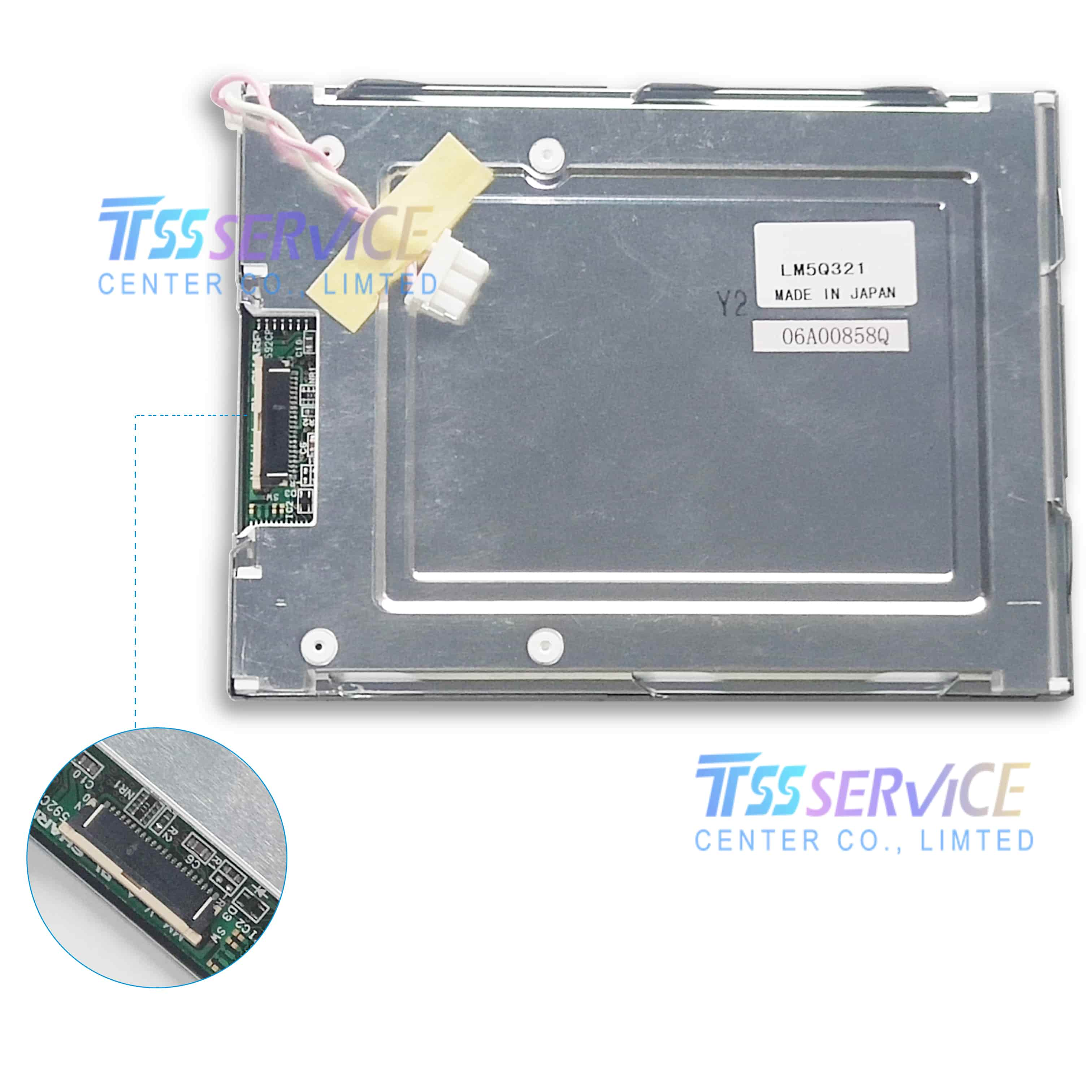
Our analysis will systematically examine this display's core technology, dissect its unique performance characteristics, explore its ideal application ecosystems, and finally, provide crucial integration insights for engineers and product developers. By understanding the why behind the specs of the LM5Q321, you will be equipped to make an informed decision on whether it is the optimal visual interface for your next innovation.
Decoding the Core Technology: QVGA TFT-LCD Architecture
The LM5Q321 is built upon a mature yet highly effective TFT (Thin-Film Transistor) LCD architecture with a QVGA (Quarter Video Graphics Array) resolution of 320x240 pixels. This 4:3 aspect ratio format, while not widescreen, offers a distinct advantage in applications where information density and legibility are prioritized over cinematic viewing. Each of the 76,800 pixels is individually controlled by a dedicated transistor, enabling faster response times and superior image stability compared to passive matrix displays.
The "320(RGB)×240" specification explicitly indicates a horizontal sub-pixel arrangement, meaning each pixel is composed of three vertical stripes—Red, Green, and Blue. This 18-bit color depth (6 bits per color) can produce up to 262,144 colors, providing sufficient color fidelity for most industrial, instrumentation, and consumer device interfaces without the cost and processing overhead of true 24-bit "full" color. The panel typically incorporates a built-in LED backlight unit, ensuring consistent and energy-efficient illumination across the 5.0-inch diagonal viewing area.
Performance Characteristics: Clarity, Durability, and Efficiency
The performance profile of the LM5Q321 makes it a robust workhorse for demanding environments. Its moderate resolution on a 5-inch screen results in a pixel pitch that yields sharp, easily readable characters and graphics, reducing eye strain in prolonged use scenarios. Key operational parameters include:
-
Wide Viewing Angles: Utilizing IPS or similar advanced TFT technology, the panel likely maintains color and contrast consistency across wide horizontal and vertical viewing angles, crucial for devices viewed from off-axis positions.
-
High Brightness and Contrast: Designed for ambient light conditions, it offers high nit brightness and a solid contrast ratio, ensuring the display remains visible under bright office or industrial lighting.
-
Extended Reliability: These panels are engineered for long-term operation, often featuring wide operating temperature ranges (e.g., -20°C to 70°C) and high resistance to humidity and vibration, which is essential for automotive, medical, or outdoor equipment.
Furthermore, its power consumption is relatively low, a critical factor for battery-powered portable devices, contributing directly to longer operational life.
Strategic Application Ecosystems: Where the LM5Q321 Excels
The specific attributes of the LM5Q321 define its ideal application niches. It is not a panel for high-definition video but a superior solution for functional, interactive interfaces. Its primary strength lies in embedded systems requiring a reliable, clear, and cost-effective display. Prime application territories include:
-
Industrial Control Panels (HMI): For factory automation, PLC interfaces, and machinery control where readability, durability, and real-time data presentation are critical.
-
Point-of-Sale (POS) Systems and Kiosks: Its size is perfect for transactional interfaces, menu displays, and customer self-service terminals, balancing information space with form factor.
-
Portable Medical and Test Equipment: Where consistent visual feedback for diagnostics or monitoring is needed in a compact, rugged package.
-
Consumer Appliances and Smart Home Controllers: For high-end kitchen appliances, thermostat interfaces, or security system panels that benefit from a color display.
In these contexts, the QVGA resolution is more than adequate, avoiding unnecessary processing load on the system's microcontroller while delivering a fully functional graphical user interface.
Integration and Design Considerations for Engineers
Successfully integrating the LM5Q321 into a product requires attention to several technical and design factors. Electrically, the interface is typically a parallel RGB or LVDS, necessitating a compatible graphics controller on the host processor. Engineers must account for power sequencing for the panel and backlight, often requiring specific driver circuits or integrated ICs. Mechanically, the module includes a bezel and mounting holes, demanding precise CAD integration into the product enclosure.
From a design perspective, the 4:3 aspect ratio influences the entire user interface layout. Developers should optimize graphics and fonts for the specific pixel grid to avoid blurry scaling. The color palette, while rich, should be used strategically to ensure important warnings or status indicators are immediately discernible. Furthermore, considering the optical bonding of the touch panel (if used) is vital to reduce glare and improve durability in high-touch environments. Prototyping with the actual module is highly recommended to validate sunlight readability and touch accuracy under real conditions.
In conclusion, the LM5Q321 5.0-inch QVGA display panel stands as a testament to optimized, application-driven design. It trades ultra-high resolution for exceptional reliability, readability, and integration ease, carving out a vital space in professional and industrial markets. For product developers seeking a robust, clear, and cost-effective visual interface for embedded systems, this panel offers a compelling balance of performance and practicality. Ultimately, its value is proven not on a spec sheet, but in the seamless and dependable operation of the end product it enables.


