In the demanding world of industrial and embedded applications, display clarity, reliability, and readability under diverse conditions are non-negotiable. At the heart of many sophisticated systems lies a critical component: the display module. This article delves into the LM64P101R, a specialized 7.2-inch FSTN-LCD panel with a resolution of 640 x 480 pixels, engineered explicitly for achieving exceptional sharpness. We will move beyond basic specifications to explore the technological principle
In the demanding world of industrial and embedded applications, display clarity, reliability, and readability under diverse conditions are non-negotiable. At the heart of many sophisticated systems lies a critical component: the display module. This article delves into the LM64P101R, a specialized 7.2-inch FSTN-LCD panel with a resolution of 640 x 480 pixels, engineered explicitly for achieving exceptional sharpness. We will move beyond basic specifications to explore the technological principles that enable its performance, its ideal application environments, and the tangible benefits it delivers to designers and end-users. Understanding this component is key to optimizing interfaces where visual precision directly impacts functionality and user trust.
This analysis will unpack how the LM64P101R transforms raw pixel count into usable, superior image quality, making it a standout choice for professionals who cannot compromise on display fidelity.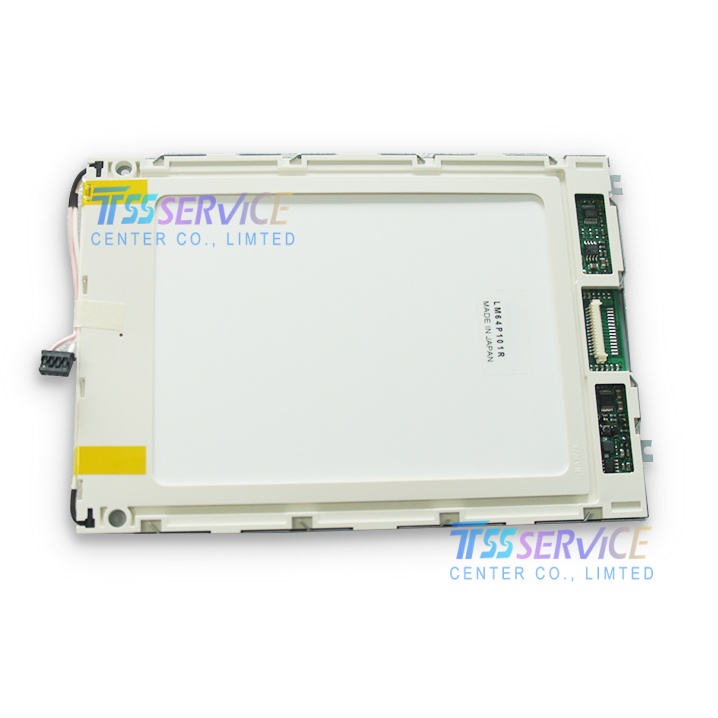
The Anatomy of Sharpness: FSTN Technology and VGA Resolution
Sharpness in an LCD is not a single feature but the result of a synergistic combination of panel technology and pixel density. The LM64P101R utilizes FSTN (Film Compensated Super-Twisted Nematic) technology, a significant evolution over standard TN panels. FSTN incorporates a retardation film that compensates for the inherent color shift and improves the contrast ratio of STN displays. This compensation results in darker blacks, brighter whites, and a much wider, more stable viewing angle. The effect is a display that appears crisper and more legible, with reduced ghosting and a more neutral background compared to conventional yellow-mode or blue-mode STN screens.
When this enhanced panel technology is paired with a native 640 x 480 (VGA) resolution on a 7.2-inch diagonal, the pixel pitch becomes fine enough to render detailed graphics, small fonts, and complex user interface elements with remarkable clarity. This resolution avoids the scaling artifacts common when driving lower-resolution panels, ensuring that every line and character is rendered precisely as intended. The combination is foundational: FSTN provides the canvas with high contrast and stability, while the VGA resolution supplies the dense pixel count, together creating the preconditions for true sharpness.
Optimized for Challenging Environments: Readability and Reliability
A sharp display is useless if it becomes unreadable under common operating conditions. The LM64P101R is designed with environmental robustness in mind. Its FSTN construction inherently offers better performance across a wider temperature range than many consumer-grade TFTs. This thermal stability is crucial for applications in automotive diagnostics, industrial control panels, medical devices, and test equipment that may face both high and low extremes.
Furthermore, the panel typically features a high-brightness LED backlight system. This is essential for overcoming ambient light in factories, vehicles, or outdoor settings, ensuring the sharp image remains visible. Key durability considerations include:
-
Longevity: FSTN panels and LED backlights have exceptionally long lifespans, critical for systems with multi-year service cycles.
-
Power Efficiency: Compared to color TFTs, monochrome FSTN displays consume significantly less power, a vital factor for portable or battery-powered devices.
-
Interface Simplicity: Often supporting parallel RGB or MCU interfaces, it simplifies integration into legacy or cost-sensitive embedded systems without requiring complex controllers.
This environmental optimization ensures that the initial sharpness is maintained consistently over the product's lifetime, in real-world scenarios.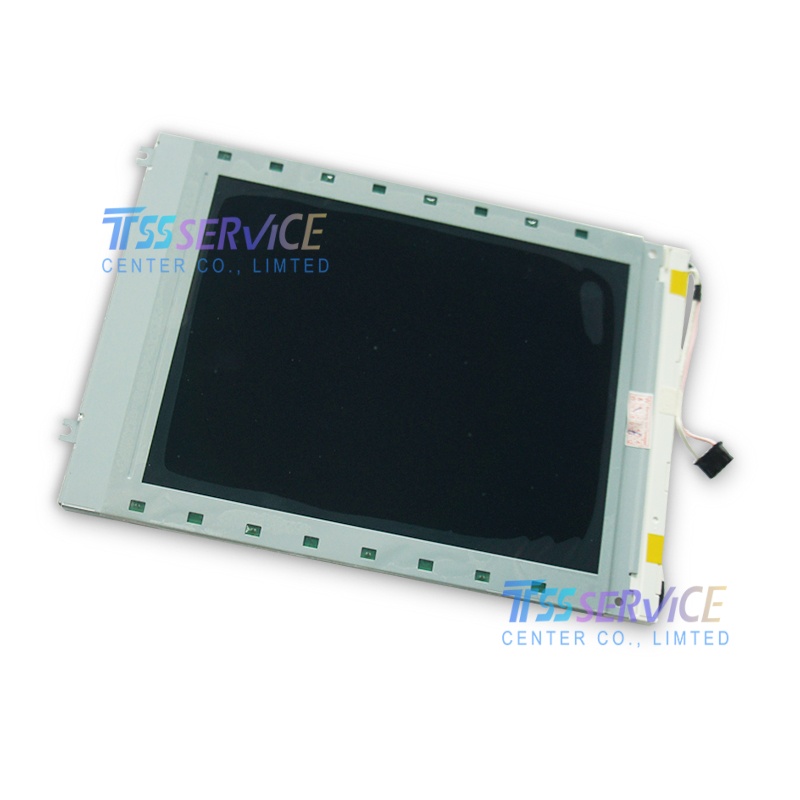
Strategic Application Domains: Where Sharpness is Paramount
The specific advantages of the LM64P101R make it the display of choice for several key industries where information integrity is critical. In medical instrumentation, such as patient monitors or diagnostic devices, the ability to clearly display waveforms, numerical values, and alphanumeric data without blur or distortion can have direct implications for patient care. Similarly, in industrial automation and process control, operators rely on HMIs to present complex data, schematics, and alerts; a sharp display reduces cognitive load and prevents misinterpretation.
Other prime applications include:
-
Professional Test & Measurement: Oscilloscopes, spectrum analyzers, and multimeters require precise rendering of fine grid lines and signal details.
-
Transportation and Automotive: Diagnostic tools, fleet management systems, and auxiliary displays benefit from its wide temperature tolerance and clarity.
-
Point-of-Sale and Kiosks: For cost-effective monochrome displays that need to show crisp text and basic graphics under bright retail lighting.
In these fields, the display is not merely an output but an integral part of the tool's functionality, where sharpness equates to accuracy and professionalism.
Integration and Design Considerations for Maximum Impact
Selecting the LM64P101R is the first step; integrating it effectively is the final hurdle to achieving optimal performance. Designers must pay close attention to the electrical interface, ensuring the controller can properly drive the panel's native resolution to avoid software scaling that degrades sharpness. The choice of font and graphical assets is equally important. Leveraging the VGA resolution allows for smaller, more elegant fonts while maintaining legibility, but they should be designed or chosen for pixel-perfect rendering on a monochrome display.
Contrast adjustment via the LCD voltage (VLCD) and backlight intensity are critical tuning parameters. Properly calibrated, they maximize the inherent contrast of the FSTN panel, making the sharpness "pop." Mechanical integration must also account for the need for a clean, evenly pressed connection to the panel to avoid Newton rings or pressure spots that can mar the image. By treating the display as a system component rather than a simple commodity, engineers can fully unlock the visual fidelity the LM64P101R is engineered to provide.
The LM64P101R 7.2-inch FSTN-LCD stands as a purpose-engineered solution where display sharpness, reliability, and readability are critical. Its fusion of film-compensated STN technology with native VGA resolution creates a visual clarity that surpasses standard monochrome displays, maintaining integrity across harsh environmental conditions. For designers in medical, industrial, and instrumentation fields, it offers a robust, power-efficient, and integration-friendly path to superior user interfaces. Ultimately, this display module proves that in specialized applications, targeted technology delivering precise visual information remains an indispensable asset for building trustworthy and effective electronic systems.


