In the world of industrial displays, where clarity, reliability, and performance under demanding conditions are non-negotiable, the choice of LCD technology is paramount. This article delves into the specifics of a notable component: the 9.4" 640*480 FSTN-LCD LM64P839. This model represents a significant solution for applications requiring sharp, stable monochrome imagery
In the world of industrial displays, where clarity, reliability, and performance under demanding conditions are non-negotiable, the choice of LCD technology is paramount. This article delves into the specifics of a notable component: the 9.4" 640*480 FSTN-LCD LM64P839. This model represents a significant solution for applications requiring sharp, stable monochrome imagery. We will explore not just its specifications, but the engineering rationale behind its design, its practical advantages in real-world scenarios, and the specific niches where it outperforms more common display types. Understanding this display is key for engineers and procurement specialists aiming to optimize device performance and longevity.
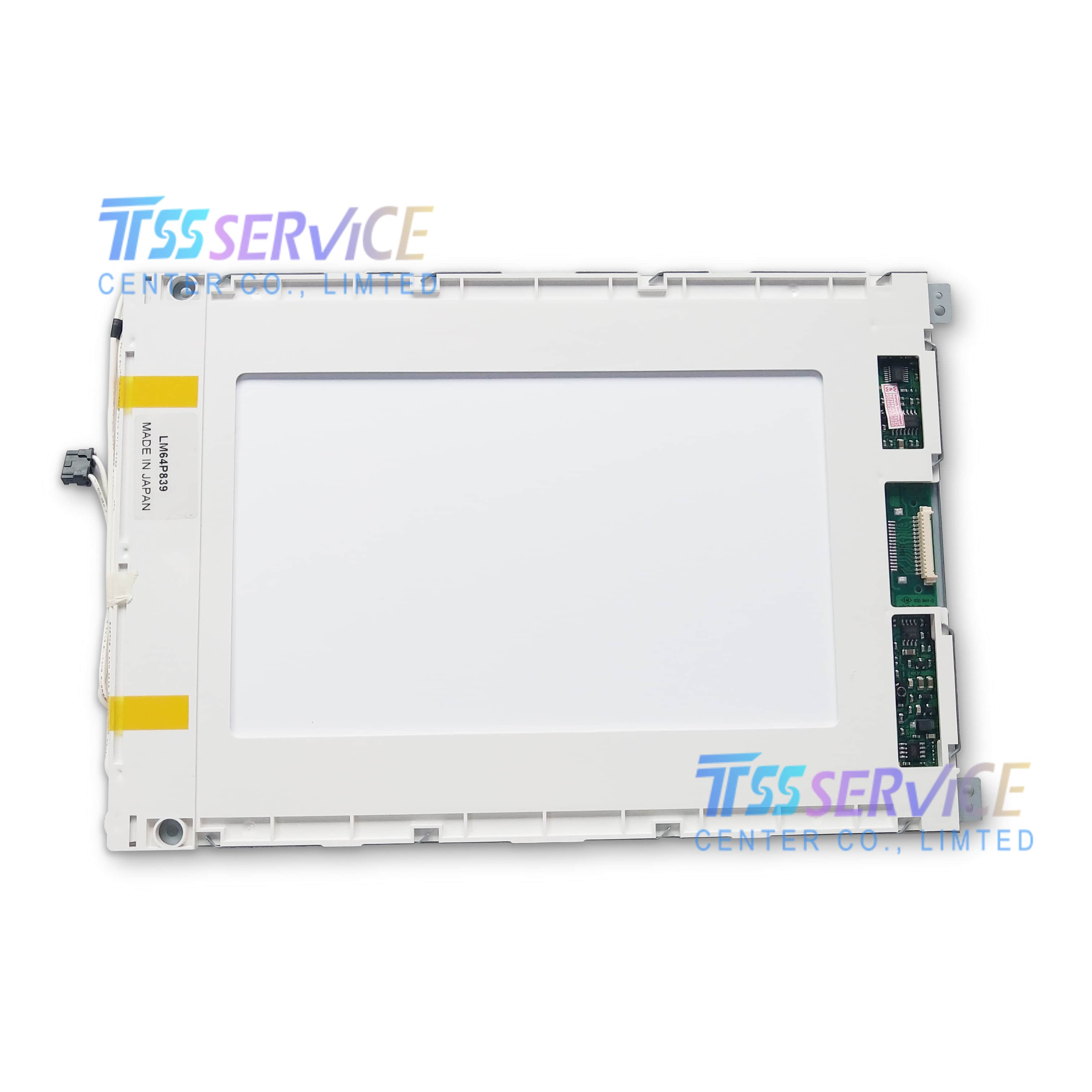
The journey begins with a fundamental question: why this particular combination of technology and format? The LM64P839 is built around FSTN (Film Compensated Super Twisted Nematic) technology, a refined version of traditional STN displays. The core challenge with early monochrome LCDs was poor contrast and narrow viewing angles. FSTN technology addresses this by adding a retardation film to the STN structure. This film compensates for the color interference inherent in STN displays, resulting in a sharper, higher-contrast, truly black-and-white image. The 9.4-inch diagonal with a 640 x 480 (VGA) resolution is a classic and efficient format. It provides substantial screen real estate for data visualization, controls, and readouts without demanding excessive power or processing overhead, making it an ideal balance between information density and system efficiency.The pursuit of "sharp" in the descriptor is not marketing hyperbole but a measurable outcome of several converging factors. First, the FSTN technology itself is the primary driver, eliminating the yellowish or bluish background typical of STN and delivering a clean, high-contrast background. Second, the pixel density and aperture ratio of the LM64P839 are engineered for legibility. With a well-defined pixel structure, characters and graphics appear crisp, not fuzzy. Third, the high-quality polarizers and glass substrates used in its construction ensure excellent light transmission and uniformity. This combination means that whether displaying intricate schematics, dense text logs, or diagnostic waveforms, the information is presented with a clarity that reduces operator eye strain and minimizes interpretation errors, which is critical in medical, industrial control, or test equipment.
Technical specifications only tell part of the story. The true value of the LM64P839 is realized in its application environments. This display excels where other screens might falter: in extended temperature ranges, under constant 24/7 operation, and in systems with limited power budgets. Its monochrome nature and FSTN construction typically require less backlight power to achieve good readability compared to color TFTs, leading to energy savings and less heat generation. Furthermore, its reliability and long lifespan make it a cornerstone for embedded systems in automotive diagnostic tools, factory automation HMI panels, specialized medical monitors, and point-of-sale terminals. In these settings, the display is not a consumer-facing gadget but a critical tool for professionals, where failure is not an option.
Selecting the LM64P839 is a deliberate engineering decision with significant design implications. Integrating this display influences several aspects of product development. Designers must consider its interface requirements (typically parallel RGB or LVDS for a controller board), backlighting solutions (often high-life CCFL or LED arrays to match the display's longevity), and mechanical mounting due to its specific footprint and bezel. The choice also impacts the bill of materials and supply chain strategy; opting for a robust, industrial-grade component like this can reduce long-term warranty costs and ensure manufacturing stability. It represents a commitment to building a product where the user interface is dependable for the entire lifecycle of the device.
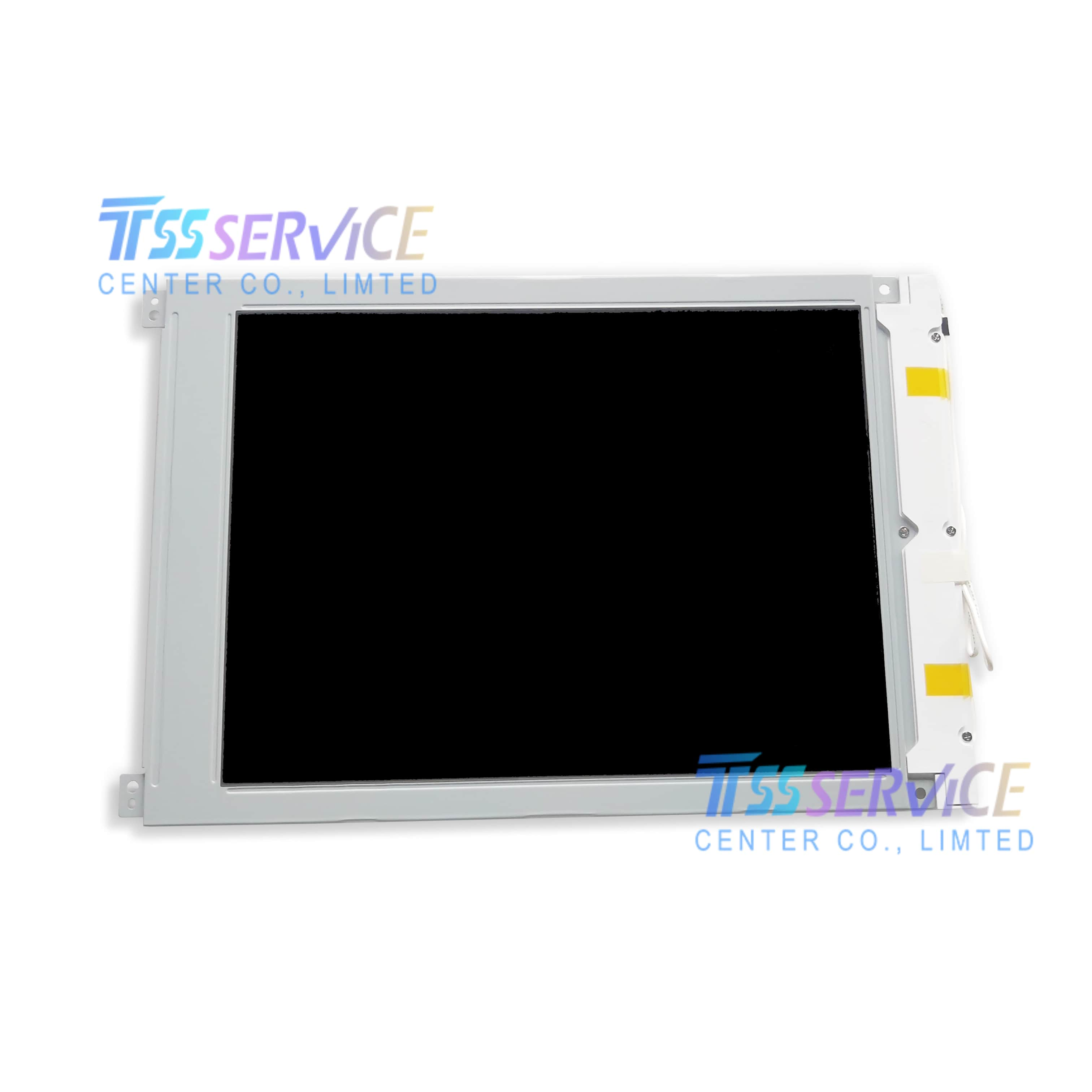
The 9.4" FSTN-LCD LM64P839 stands as a testament to the enduring need for specialized, high-performance monochrome displays in the industrial and professional spheres. Its sharp VGA imagery, born from FSTN film compensation technology, delivers unmatched clarity and reliability for critical applications. By understanding its technical advantages, ideal use cases, and integration requirements, engineers can leverage this component to build devices that are not only functional but exceptionally durable and user-friendly. In a world of rapidly changing consumer display trends, the LM64P839 remains a focused and optimal solution where performance consistently trumps mere novelty.


