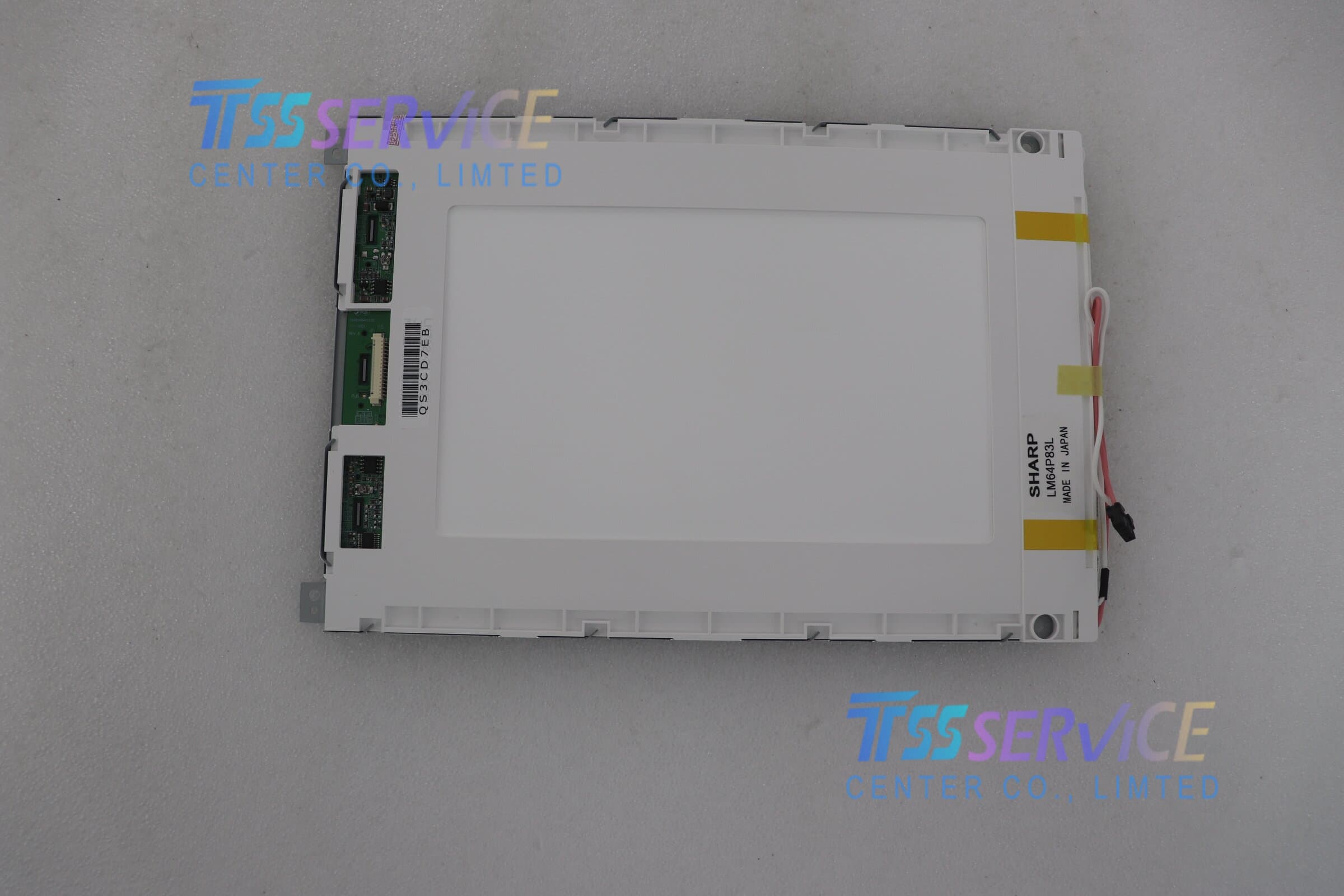
In the demanding world of industrial and embedded interfaces, display clarity, reliability, and readability under diverse conditions are non-negotiable. This deep-dive article focuses on a specialized component engineered to meet these rigorous standards: the LM64P83L 9.4-inch 640x480 FSTN-LCD. We will move beyond basic specifications to explore why this particular display module, with its FSTN (Film Super-Twisted Nematic) technology and VGA resolution, represents a critical solution for applica
In the demanding world of industrial and embedded interfaces, display clarity, reliability, and readability under diverse conditions are non-negotiable. This deep-dive article focuses on a specialized component engineered to meet these rigorous standards: the LM64P83L 9.4-inch 640x480 FSTN-LCD. We will move beyond basic specifications to explore why this particular display module, with its FSTN (Film Super-Twisted Nematic) technology and VGA resolution, represents a critical solution for applications requiring sharp, high-contrast imagery. From its core visual advantages to its integration challenges and ideal use cases, this analysis provides a comprehensive guide for engineers, product designers, and procurement specialists seeking a durable and performance-optimized display.
The Anatomy of Sharpness: FSTN Technology and 640x480 Resolution
At the heart of the LM64P83L's performance is its FSTN panel. Unlike simpler TN (Twisted Nematic) displays that can appear washed out or have narrow viewing angles, FSTN incorporates a compensation film. This film corrects the phase delay of light passing through the liquid crystal layer, resulting in dramatically higher contrast ratios and significantly improved readability. The inherent "paper-white" background of FSTN creates a neutral canvas that enhances text and graphic sharpness, reducing eye strain during prolonged use.
Paired with this technology is a native resolution of 640 pixels horizontally by 480 pixels vertically (VGA). This resolution is a strategic sweet spot for industrial and medical devices. It provides sufficient pixel density for a 9.4-inch diagonal to render detailed schematics, numeric data, and user interface elements crisply, without the unnecessary processing overhead and cost associated with higher-resolution displays. The combination ensures that every alphanumeric character and graphic line is rendered with definitive edges, making the information stand out with authority and precision essential for critical monitoring tasks.
Beyond Pixel Count: Environmental Durability and Optical Performance
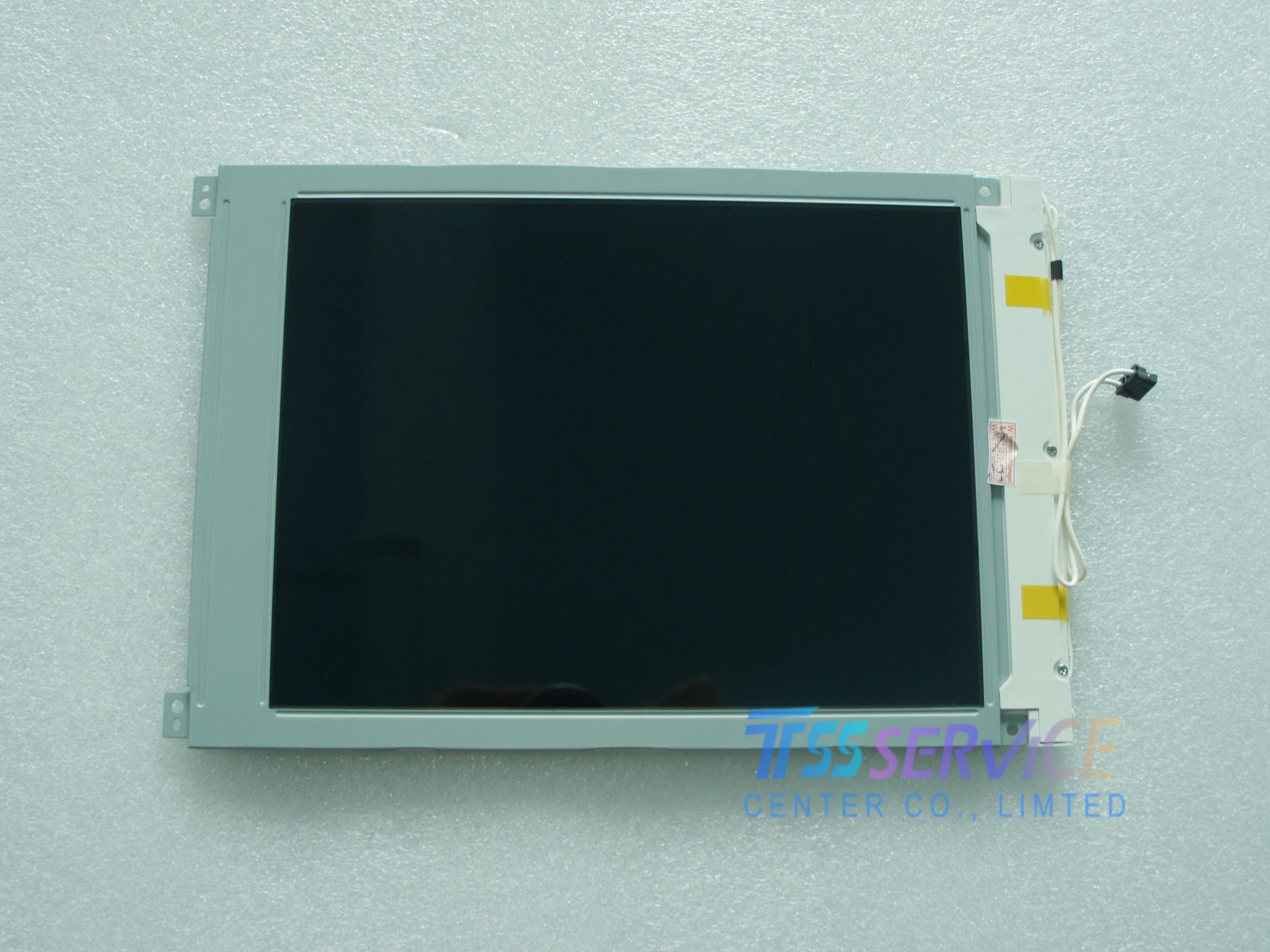
Sharpness is not merely a function of resolution; it is sustained by the display's ability to perform consistently in challenging environments. The LM64P83L is built for this reality. Its optical stack is designed to combat two major adversaries of clarity: glare and extreme temperatures. Anti-glare treatments diffuse ambient light, preventing reflections that can obscure the screen's content in brightly lit factories or outdoor settings.
Furthermore, FSTN technology typically offers a wider operating temperature range compared to many consumer-grade TFTs. This thermal resilience ensures that the contrast and response time of the LM64P83L remain stable, whether in a freezing cold storage facility or near heat-generating machinery. The module's robust construction also resists vibration and shock, protecting the precise alignment of the LCD layers that is fundamental to maintaining its signature sharp image quality over a long product lifecycle. Durability, therefore, is directly linked to the preservation of visual fidelity.
Integration Considerations for Optimal Performance
To fully harness the sharp potential of the LM64P83L, thoughtful integration is paramount. Designers must pay close attention to the supporting ecosystem. First, the backlighting system is crucial. A high-quality, evenly distributed LED backlight with stable drive current is essential to illuminate the FSTN panel's high-contrast pixels uniformly, without hotspots or dim edges that would degrade the perceived sharpness.
Second, electrical interface and controller compatibility are key. The module requires a precise signal timing to correctly map the digital image data to its 640x480 pixel matrix. Using a well-matched LCD controller ensures pixel-perfect rendering. Additionally, considering the viewing angle is vital. While FSTN offers improvements over TN, optimal contrast is often found within a defined cone; thus, the physical mounting of the display should orient this optimal viewing zone toward the user. Proper integration transforms the display from a quality component into a flawless human-machine interface.
Ideal Application Scenarios: Where Sharpness is Mission-Critical
The specific advantages of the LM64P83L make it the display of choice for sectors where information clarity directly impacts safety, efficiency, and accuracy. In industrial automation, it serves as the primary interface for PLCs (Programmable Logic Controllers), CNC machine controls, and test equipment, where operators rely on unambiguous data to make swift, correct decisions.
In the medical device field, it is suited for diagnostic equipment, patient monitors, and laboratory instruments. The high contrast and sharpness allow medical professionals to clearly read vital signs, numerical values, and waveforms without ambiguity. Other prime applications include:
-
Transportation and Fleet Management: In-vehicle terminals that must be readable in direct sunlight.
-
Point-of-Sale and Kiosks: Reliable systems requiring clear transaction information for users and attendants.
-
Test and Measurement Instruments: Devices where precise numerical readouts and stable graphs are essential.
In these environments, the LM64P83L is not just a display; it is a reliable communication channel.
The LM64P83L 9.4-inch FSTN-LCD demonstrates that true display sharpness is a multifaceted achievement, blending the optical excellence of FSTN technology with a purpose-built VGA resolution, environmental ruggedness, and thoughtful application design. It stands as a robust solution for professional and industrial markets where visual clarity is intrinsically linked to performance and reliability. By understanding its core technology and integration requirements, engineers can effectively leverage this module to create interfaces that communicate with unwavering precision, ensuring critical information is always seen with absolute clarity.


