In the realm of industrial automation and control systems, the display panel is often the most visible and frequently interacted component. It serves as the primary interface between human operators and complex machinery, making its reliability and performance non-negotiable.
In the realm of industrial automation and control systems, the display panel is often the most visible and frequently interacted component. It serves as the primary interface between human operators and complex machinery, making its reliability and performance non-negotiable. The LMC75SB41A13DGLS is a specific LCD panel model that has become a cornerstone for many mission-critical applications. However, the challenge for procurement and maintenance teams is not just finding a panel, but finding a compatible replacement that maintains exact specifications. This article delves deep into the technical architecture, compatibility requirements, and industrial applications of the LMC75SB41A13DGLS compatible LCD panel screen. We will explore what makes a compatible panel truly suitable, the engineering principles behind its design, and how selecting the right replacement directly impacts operational uptime and system longevity. Understanding these factors is essential for any technician or engineer tasked with maintaining high-stakes industrial equipment.
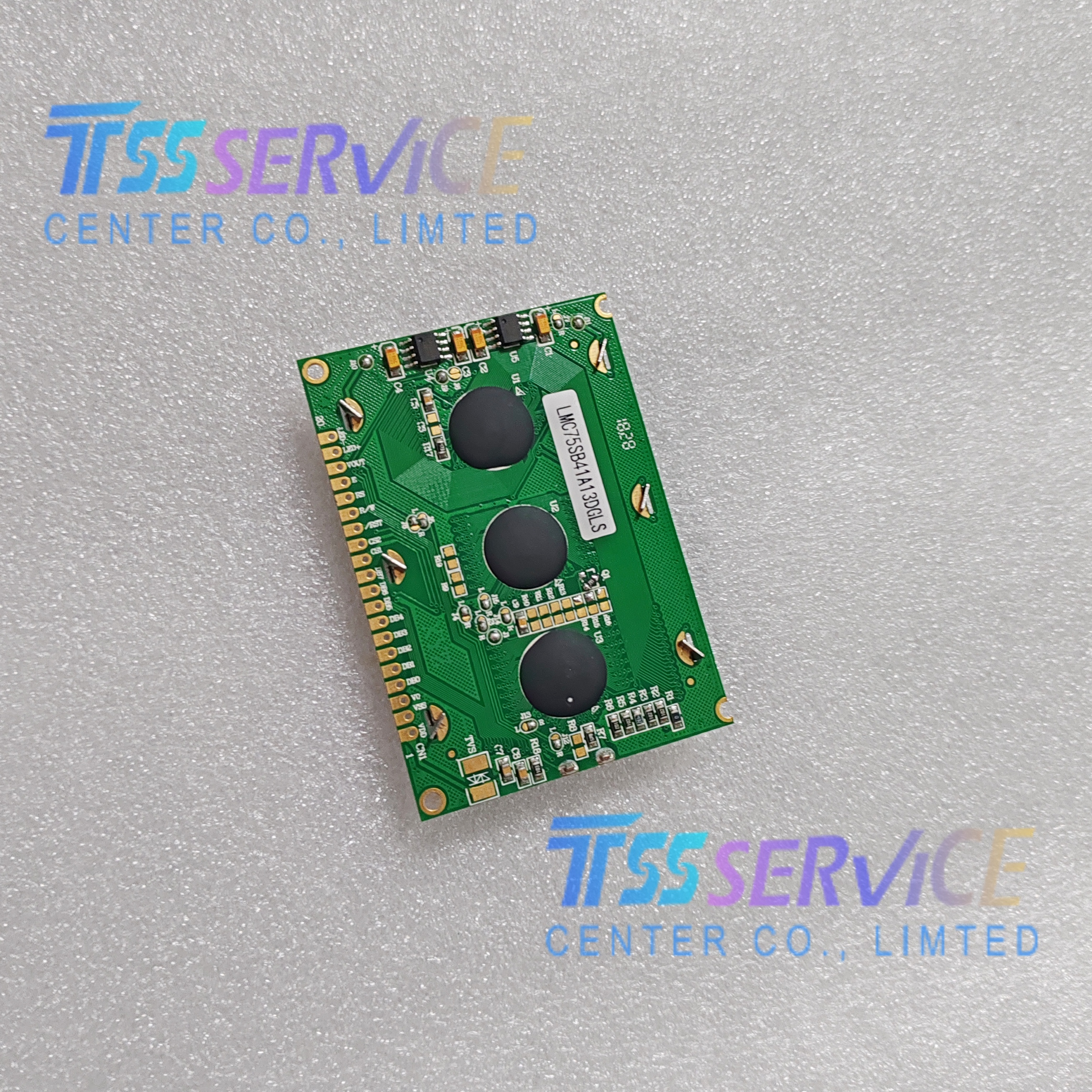
Decoding the LMC75SB41A13DGLS: Technical Specifications and Design Philosophy
To appreciate the value of a compatible panel, one must first understand the original. The LMC75SB41A13DGLS is typically a 7.5-inch monochrome or color LCD screen, commonly found in medical devices, CNC machinery, and test equipment from the late 2000s to early 2010s. Its design is characterized by a specific pinout configuration, backlight voltage requirements, and timing controller parameters. The panel often utilizes a CCFL (Cold Cathode Fluorescent Lamp) backlight, which requires a high-voltage inverter, or a specific LED bar that operates at a precise current. The resolution, contrast ratio, and viewing angle are all engineered to meet strict industrial standards for readability under varying ambient light conditions. A compatible panel must replicate these exact electrical and optical characteristics. The challenge lies in the fact that original parts are often discontinued, forcing engineers to source alternatives. A true compatible panel is not merely a generic screen that fits the physical frame; it is a product that precisely emulates the electrical timing and signal interface of the original, ensuring that the existing controller board can communicate without error. The design philosophy behind compatibility is therefore rooted in signal integrity and power delivery, not just physical dimensions.
Navigating Compatibility: Beyond Physical Fit to Electrical and Firmware Parity
The most common pitfall in sourcing a compatible panel is assuming that if the screen "looks" the same, it will work. Industrial LCD panels communicate with the host system via a specific interface standard, such as LVDS or TTL, and they rely on a precise EDID (Extended Display Identification Data) or a pre-programmed timing table. The LMC75SB41A13DGLS has a unique handshake protocol with the system's main logic board. A compatible panel must match this protocol exactly. This involves three critical areas:

Electrical Interface Compatibility: The pin-to-pin mapping, voltage levels (e.g., 3.3V or 5V for logic, and a specific voltage for the backlight), and signal rise/fall times must be identical. A mismatch can lead to flickering, no display, or permanent damage to the controller.Backlight System Matching: Many LMC original panels use CCFL. A compatible replacement might use a modern LED backlight, but it must include a built-in driver that expects the same input voltage as the original CCFL inverter. Some compatible panels are designed as plug-and-play drop-ins, incorporating a DC-to-DC converter that emulates the CCFL load.Timing and Resolution: The controller must recognize the panel as the exact same device. This means the horizontal and vertical sync timings, pixel clock, and refresh rate must be identical. A panel with a slightly different timing may cause the image to be shifted, distorted, or completely absent. High-quality compatible panels use reprogrammable timing controllers (T-Con boards) that are flashed with the original LMC parameters.
Industrial Applications and the Cost of Failure in Critical Systems
The LMC75SB41A13DGLS compatible panel is not a consumer good; it is a component used in systems where failure has direct operational consequences. Its primary applications are in medical diagnostic equipment (patient monitors, ultrasound machines), industrial PLC (Programmable Logic Controller) interfaces, and legacy test equipment. In a hospital setting, a failed display can delay a critical diagnosis. On a factory floor, a blank screen on a CNC milling machine can halt an entire production line, costing thousands of dollars per hour in downtime. This context changes the cost-benefit analysis of a compatible panel. While a generic replacement from an untested vendor might be cheaper upfront, the cost of a system failure often far exceeds the price premium of a guaranteed compatible unit. A professionally manufactured compatible panel undergoes rigorous testing, including aging tests, temperature cycling, and EMI (Electromagnetic Interference) qualification to ensure it can withstand the industrial environment. Furthermore, these panels are often fitted with modified mounting brackets or cable harnesses that allow for installation without modifying the existing equipment housing. The use of high-quality LCD glass from reputable manufacturers (like AUO, Innolux, or BOE) ensures consistent brightness and uniformity over the long term, which is crucial for calibration-sensitive applications.
Conclusion
Selecting a compatible LCD panel screen for the LMC75SB41A13DGLS is an engineering decision that requires a deep understanding of signal protocols, power requirements, and timing specifications. A truly compatible replacement is one that achieves electrical and firmware parity, not just physical resemblance, ensuring seamless integration with critical industrial systems. The value of such a panel lies in its reliability, as it directly supports operational uptime and prevents costly disruptions in medical, manufacturing, and automation environments. By prioritizing compatibility at the electrical level and sourcing from reputable suppliers, engineers can extend the life of legacy equipment with confidence, achieving both cost savings and performance stability. Ultimately, the right compatible panel is an invisible hero, working exactly as the original to keep complex systems running smoothly.


