In the intricate world of industrial electronics and device maintenance, the quest for a reliable, drop-in replacement display can be a critical yet daunting task. This article delves deep into a specific component that serves as a lifeline for countless legacy systems: the 5.1" 240x128 FSTN-LCD with the model LMG7400PLFC. More than just a part number, this display module represents a crucial intersection of compatibility, performance, and longevity for equipment ranging from medical devices to
In the intricate world of industrial electronics and device maintenance, the quest for a reliable, drop-in replacement display can be a critical yet daunting task. This article delves deep into a specific component that serves as a lifeline for countless legacy systems: the 5.1" 240x128 FSTN-LCD with the model LMG7400PLFC. More than just a part number, this display module represents a crucial intersection of compatibility, performance, and longevity for equipment ranging from medical devices to test and measurement instruments. We will explore not only its technical specifications but also its role in sustaining the operational life of vital technology, ensuring that professionals and procurement specialists can make informed decisions for their repair and refurbishment projects.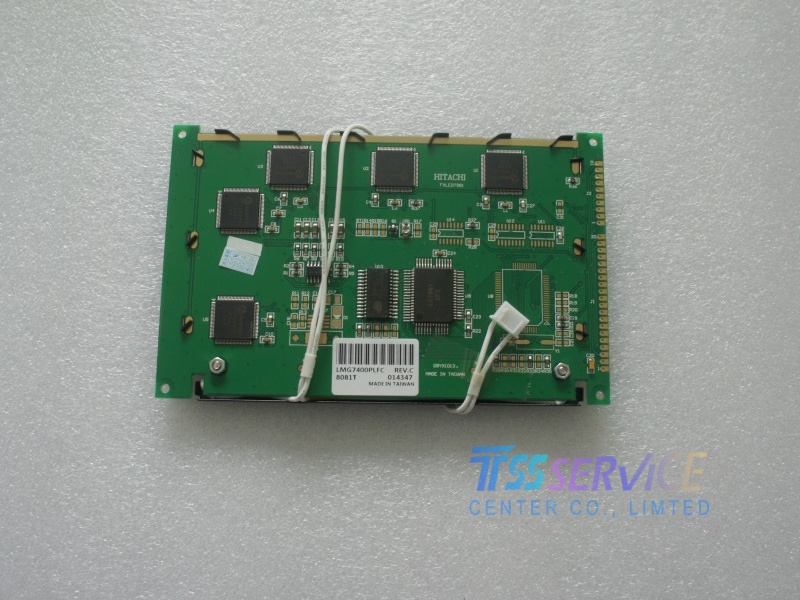
Decoding the Specification: What LMG7400PLFC Truly Means
To understand the value of the LMG7400PLFC module, one must first decipher its key technical descriptors. The 5.1-inch diagonal measurement defines its physical footprint, a size often chosen for embedded applications where panel space is precisely allocated. The 240 x 128 pixel resolution indicates a classic, mid-range graphic display capable of rendering detailed alphanumeric data, basic graphics, and user interface elements clearly. The most critical term here is FSTN-LCD, or Film Compensated Super-Twisted Nematic Liquid Crystal Display. This technology represents a significant evolution from the older, poorer-performing TN (Twisted Nematic) and STN (Super-Twisted Nematic) types. FSTN incorporates a retardation film that dramatically improves contrast and viewing angle, offering a near-black-on-silver or white appearance that is far more readable and less prone to the ghosting or blurring common in its predecessors. The LMG7400PLFC, therefore, isn't just a simple LCD; it's a specification for a high-contrast, reliable monochrome display module designed for clarity and durability.
The Critical Role of Pin-to-Pin Compatibility in Replacement
When sourcing a replacement like the LMG7400PLFC, physical dimensions and resolution are only half the battle. The paramount concern is pin-to-pin compatibility. This module is engineered not merely to fit but to function seamlessly as a direct substitute for an original, potentially obsolete display. This means its mechanical outline, mounting hole positions, viewing area placement, and—most importantly—its electrical interface and pinout are designed to match the original equipment manufacturer's (OEM) specifications exactly. A true compatible replacement requires no firmware changes, cable modifications, or adapter boards. It ensures that the backlight type (often LED or CCFL), voltage requirements, and control signals (typically parallel interface) are aligned. For maintenance engineers, this compatibility is the difference between a swift, successful repair that restores full functionality and a protracted, costly engineering challenge that risks damaging the host system.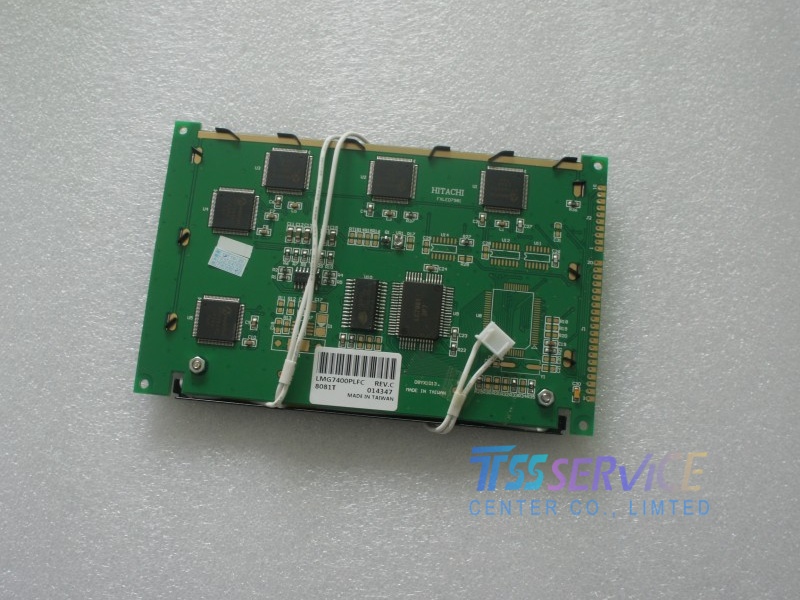
Application Scenarios: Where This Display Module Excels
The specific characteristics of the 5.1" 240x128 FSTN-LCD make it indispensable in several demanding industrial and professional sectors. Its high contrast and reliability are prized in medical equipment, such as patient monitors or diagnostic devices, where clear, unambiguous data presentation is non-negotiable. In industrial automation, it serves as the human-machine interface (HMI) for control panels, programmable logic controller (PLC) operator terminals, and machinery readouts, enduring harsh environments. The module is also commonly found in test and measurement instruments like oscilloscopes, network analyzers, and power supplies, where its precision allows for accurate reading of waveforms and numerical values. Furthermore, it appears in point-of-sale (POS) systems, telecommunications equipment, and other embedded systems where longevity and consistent performance over thousands of hours are required. Understanding these applications underscores why sourcing a high-quality, exact replacement is so vital.
Strategic Sourcing and Quality Considerations for Procurement
Procuring a specialized component like the LMG7400PLFC demands a strategic approach beyond simply finding the lowest price. The primary consideration must be supplier reliability and component authenticity. Reputable distributors or manufacturers specializing in display replacements will provide detailed datasheets, compatibility guarantees, and often offer samples for testing. Key quality checks include:
-
Viewing Angle & Contrast: Ensuring the FSTN film provides a wide, clear viewing cone without inversion.
-
Backlight Uniformity & Longevity: Checking for even illumination with no dark spots and verifying the backlight's rated lifespan (often 50,000 hours or more for LEDs).
-
Operating Temperature Range: Confirming the module meets the original spec, typically from -20°C to +70°C for industrial use.
-
Build Quality: Assessing the rigidity of the PCB, the quality of the connector, and the seal of the glass to the assembly.
Investing in a premium-grade direct replacement from a trusted source mitigates the risk of premature failure, system incompatibility, and costly repeat repairs, ultimately protecting the capital investment in the host equipment.
In conclusion, the 5.1" 240x128 FSTN-LCD module identified as LMG7400PLFC is far more than a simple screen; it is a precision-engineered component vital for extending the service life of critical professional equipment. Its value lies in its high-contrast FSTN technology, exacting pin-to-pin compatibility, and proven performance in demanding applications. Successful procurement hinges on prioritizing technical verification and supplier credibility over cost alone. By understanding its specifications and strategic role, engineers and buyers can ensure seamless, reliable repairs that uphold the integrity and functionality of their essential devices for years to come.


