In the intricate world of electronic design, the display panel often serves as the critical bridge between a device's internal logic and its human user. Selecting the right display is a nuanced decision that balances technical specifications, physical constraints, and cost.
In the intricate world of electronic design, the display panel often serves as the critical bridge between a device's internal logic and its human user. Selecting the right display is a nuanced decision that balances technical specifications, physical constraints, and cost. This article delves into a detailed examination of the LQ057Q3DC02, a 5.7-inch QVGA TFT-LCD module, to uncover its true potential and ideal application scenarios. We will move beyond basic datasheet parameters to explore how its specific characteristics—its resolution, size, interface, and construction—translate into real-world performance and value.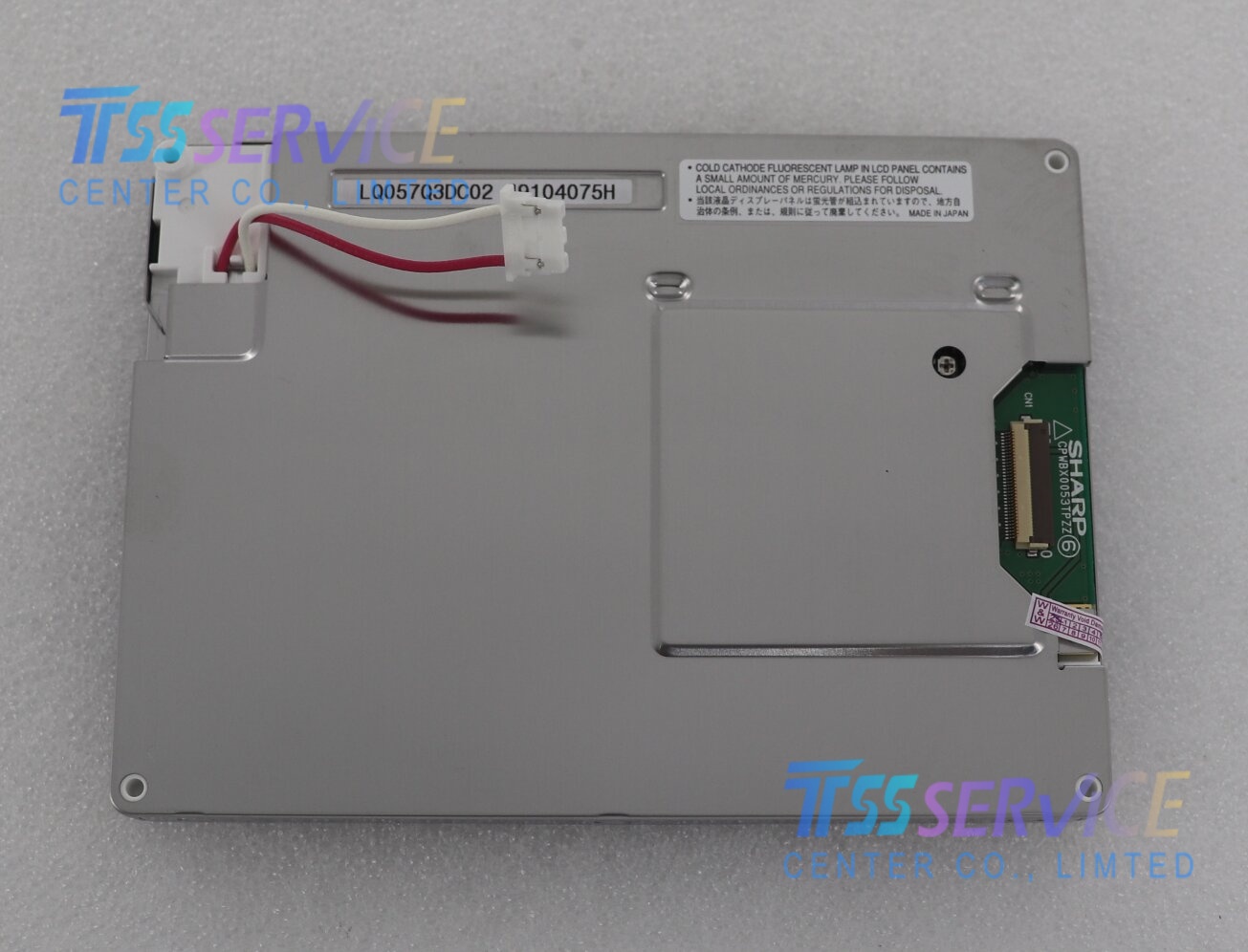
Far from being a generic component, the LQ057Q3DC02 presents a compelling argument for a specific niche in the display ecosystem. By analyzing its strengths and inherent trade-offs, we aim to provide engineers, product designers, and procurement specialists with the insights needed to determine if this panel is the optimal solution for their next embedded project, industrial HMI, or portable instrument.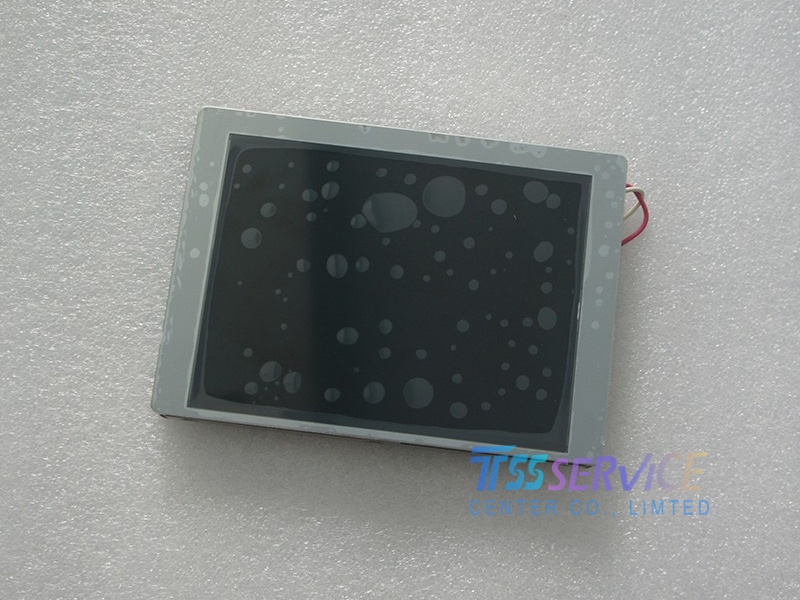
Decoding the Specifications: A Closer Look at the LQ057Q3DC02
The LQ057Q3DC02 is a 5.7-inch diagonal TFT-LCD module with a native resolution of 320 x 240 pixels, commonly known as QVGA. This resolution, while considered low by modern consumer smartphone standards, remains highly relevant in industrial and embedded contexts. The panel typically incorporates a CCFL or LED backlight, with modern variants favoring LED for its longevity, lower power consumption, and slimmer profile. Its compact footprint and relatively standard 5.7-inch size make it a direct fit for numerous existing chassis designs.
Key technical attributes include its RGB interface, which provides direct color control and is widely supported by many microcontrollers and application processors. The aspect ratio of 4:3 is particularly noteworthy. Unlike the widescreen 16:9 ratios prevalent today, the 4:3 format is often better suited for displaying traditional data interfaces, machine control panels, or legacy application UIs without wasteful black bars or distorted scaling. This specification alone can dictate its suitability, offering a practical screen shape for vertical or square-oriented information layouts common in test equipment, medical devices, or point-of-sale terminals.
The Strategic Niche: Ideal Applications and Use Cases
The value of the LQ057Q3DC02 becomes most apparent when evaluated against the demands of specific applications. Its rugged reliability and stable performance across a wide temperature range position it perfectly for industrial human-machine interfaces (HMIs). On a factory floor, where readability under various lighting conditions and long-term operation are paramount, high pixel density is often less critical than robustness and clarity.
Furthermore, this display excels in portable and battery-powered devices. The QVGA resolution requires significantly less graphical processing power and memory bandwidth than HD panels, allowing for the use of more economical microcontrollers. This translates directly into lower system cost and reduced power consumption, extending battery life—a crucial factor for handheld diagnostic tools, field service equipment, or specialized consumer devices like premium kitchen appliances or fishing sonars. It serves applications where the interface is functional, data-centric, and requires immediate user comprehension rather than immersive multimedia consumption.
Integration Considerations and Design Implications
Successfully integrating the LQ057Q3DC02 requires careful planning beyond simply connecting pins. Designers must account for the power sequencing of the LCD panel, TFT driver, and backlight to prevent potential damage. The choice of backlight (LED vs. CCFL) impacts the driver circuit design and thermal management. The RGB parallel interface, while straightforward, demands a sufficient number of GPIOs from the host processor, potentially influencing MCU/MPU selection.
Another critical consideration is the optical bonding option. Some versions of this module may offer enhanced optical performance by reducing internal reflection and improving sunlight readability, which is vital for outdoor or bright indoor applications. The mechanical design must also accommodate the module's bezel and mounting holes, while the firmware development needs to include a tailored driver and a UI graphics asset set designed specifically for the 320x240 4:3 canvas to maximize usability and aesthetic coherence.
Comparative Analysis: Weighing Trade-offs in a Broader Market
To fully appreciate the LQ057Q3DC02, one must contextualize it within the broader display market. Its primary trade-off is resolution. Compared to a similarly sized 640x480 (VGA) or 800x480 (WVGA) panel, the QVGA screen will show more pronounced pixelation and have less space for fine text or complex graphics. This makes it less ideal for rendering detailed schematics or modern web-based interfaces.
However, this trade-off brings decisive advantages: lower cost, reduced system complexity, and superior compatibility with low-to-mid-range processors. When evaluated against monochrome or segment displays, the LQ057Q3DC02 offers a full-color, visually intuitive experience that can improve user interaction through color-coded alerts and graphical icons. Its position is therefore strategic—it fills the gap between basic, low-information displays and high-resolution, resource-intensive panels, offering a balanced, cost-effective color solution for functional interfaces.
In conclusion, the LQ057Q3DC02 5.7-inch QVGA TFT-LCD panel is not a one-size-fits-all component but a specialized tool for specific engineering challenges. Its enduring relevance lies in its optimal balance of color capability, power efficiency, physical robustness, and cost-effectiveness within the 4:3 aspect ratio. For designers of industrial controls, portable instrumentation, and embedded systems where functional clarity trumps pixel density, this display module represents a reliable and pragmatic choice. By carefully aligning its characteristics with project requirements, engineers can leverage this proven technology to create durable, user-friendly, and economically viable products in a competitive marketplace.


