In the intricate world of electronic design, the choice of a display module is far more than a simple specification check. It is a critical decision that influences user experience, power efficiency, system architecture, and ultimately, the success of a product. This article delves deep into the LQ057Q3DC12, a 5.7-inch LCD panel from Sharp, renowned for its clarity and reliability
In the intricate world of electronic design, the choice of a display module is far more than a simple specification check. It is a critical decision that influences user experience, power efficiency, system architecture, and ultimately, the success of a product. This article delves deep into the , a 5.7-inch LCD panel from Sharp, renowned for its clarity and reliability. We will move beyond the basic datasheet parameters of 320(RGB)×240 resolution to explore what makes this display a compelling choice for demanding applications.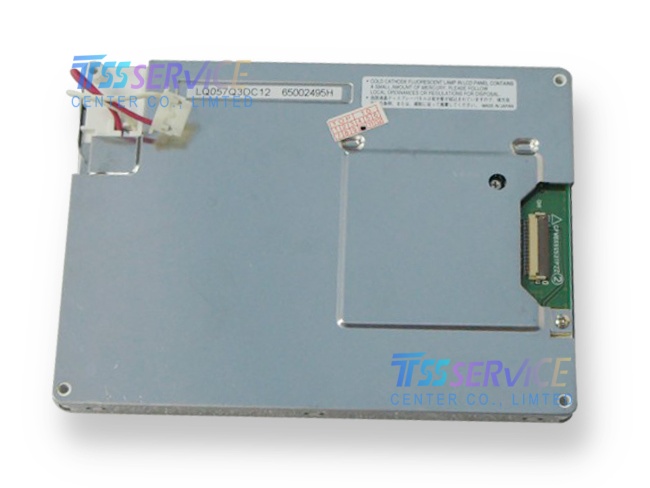
Our analysis will systematically unpack its core technology, examine the tangible benefits this brings to real-world devices, provide crucial guidance for seamless integration, and finally, identify the ideal industrial and medical applications where its strengths are fully realized. This journey will provide engineers, product designers, and procurement specialists with the insights needed to evaluate this component not just as a screen, but as a foundational element of robust system design.
Decoding the Core Technology: Sharp's Advanced TFT-LCD Architecture
At the heart of the LQ057Q3DC12 lies Sharp's proprietary TFT-LCD technology, engineered for exceptional performance in challenging conditions. The 5.7-inch diagonal with a 320 (RGB) × 240 pixel configuration offers a balanced profile: sufficient detail for complex data visualization while maintaining excellent readability and lower system processing load compared to higher-resolution displays. The "RGB" striping indicates a standard three-subpixel layout, which is crucial for achieving full, accurate color reproduction.
This panel typically incorporates an integrated CCFL (Cold Cathode Fluorescent Lamp) or advanced LED backlighting system, ensuring uniform brightness distribution across the entire viewing area. A key technological highlight is its high-brightness output, often exceeding 400 nits, which is essential for ambient light readability. Furthermore, Sharp's manufacturing prowess ensures a high contrast ratio, delivering deep blacks and bright whites, which enhances the perceived sharpness and legibility of text and graphics. The robust construction is designed to offer wide operating temperature ranges and long-term stability, hallmarks of industrial-grade components.
Tangible Advantages for Enhanced Product Design
Selecting the LQ057Q3DC12 translates into several concrete advantages that elevate the end product. First and foremost is its superior readability. The combination of high brightness, high contrast, and an anti-glare surface treatment makes information clear and accessible under direct sunlight or bright indoor lighting, a non-negotiable requirement for field equipment and medical devices.
Secondly, it brings proven reliability. Sharp's panels are known for their longevity and consistent performance over time, reducing the risk of field failures and costly recalls. This reliability extends to stable performance across temperature fluctuations, ensuring the display behaves predictably whether in a freezing cold warehouse or a hot factory floor. From a design perspective, its mature technology often means a more stable supply chain and availability of comprehensive technical documentation, which de-risks the development timeline. The panel's balanced resolution also helps in optimizing system cost by reducing the required memory and processing power for the graphics controller.
Critical Integration Considerations for Engineers
Successful implementation of the LQ057Q3DC12 requires careful attention to integration details. The interface is typically a parallel RGB (TTL) interface, which is common and well-supported by a wide range of microcontrollers and application processors. Engineers must meticulously design the timing controller (T-CON) circuitry or select a compatible driver IC to match the panel's specific timing parameters, such as clock frequency, horizontal/vertical sync pulses, and data enable signals.
Power sequencing is another critical area. The panel, its backlight, and the logic board must be powered up and down in a specific order to prevent latch-up or permanent damage. Furthermore, the backlight inverter (for CCFL versions) or LED driver circuit requires careful design to ensure stable current delivery, maximize backlight lifespan, and minimize electromagnetic interference (EMI). Mechanical integration must account for the panel's exact dimensions, bezel requirements, and connector placement, while also ensuring proper heat dissipation, especially when operating at high brightness levels in enclosed spaces.
Ideal Application Landscapes: Where This Panel Excels
The specific characteristics of the LQ057Q3DC12 make it a premier choice for environments where reliability and clarity trump the need for ultra-high definition. In the industrial automation sector, it is perfectly suited for:
-
Human-Machine Interfaces (HMIs) on PLCs, CNC machines, and control panels.
-
Test and measurement equipment requiring clear data readouts.
-
Portable field maintenance devices used in various outdoor conditions.
In the medical device field, its reliability meets stringent standards for equipment such as patient monitoring systems, diagnostic instruments, and handheld scanners, where accurate information display is critical. Other prominent applications include point-of-sale (POS) terminals, transportation information displays, and specialized instrumentation where a medium-sized, highly reliable, and readable display forms the core of the user interaction.
In conclusion, the Sharp LQ057Q3DC12 5.7-inch LCD panel stands as a testament to optimized, purpose-driven display technology. It excels not through sheer pixel count, but through a masterful balance of readability, rugged reliability, and proven performance in professional environments. For engineers designing systems for industrial control, medical diagnostics, or any field where information must be communicated clearly and dependably under demanding conditions, this panel offers a robust and high-performance solution. Its value lies in enabling products that users can trust, see clearly, and operate effectively for years to come.


