In the rapidly evolving landscape of display technology, the focus often shifts to the latest OLED panels or high-resolution 4K screens. However, the backbone of critical industrial, medical, and transportation systems relies on proven, reliable components that offer longevity and precision. The
LTA065A044 and its variant, the
LTA065A044F, represent a cornerstone in this domain. As a 6.5-inch LCD display panel originally designed for Toshiba, this module has transcended its initial application to become a standard replacement part for a wide array of equipment. This article delves into the technical specifications, the critical distinction between the standard and 'F' models, its primary application ecosystem, and the strategic considerations for sourcing this specific panel. Understanding this component is essential for engineers, procurement specialists, and maintenance teams who require a stable, high-contrast display solution for environments where failure is not an option.
Decoding the Architecture: Technical Specifications and Performance Metrics
The
LTA065A044 is an a-Si TFT-LCD (amorphous silicon thin-film transistor liquid crystal display) that strikes a balance between power efficiency and visual clarity. Boasting a diagonal size of exactly 6.5 inches, this panel operates with a native resolution of
640 x 480 pixels (VGA). While this resolution may seem modest by consumer standards, it is perfectly optimized for the display of text, control graphics, and industrial instrumentation. The aspect ratio of 4:3 is a deliberate choice, providing a square-like field of view ideal for data-heavy interfaces.
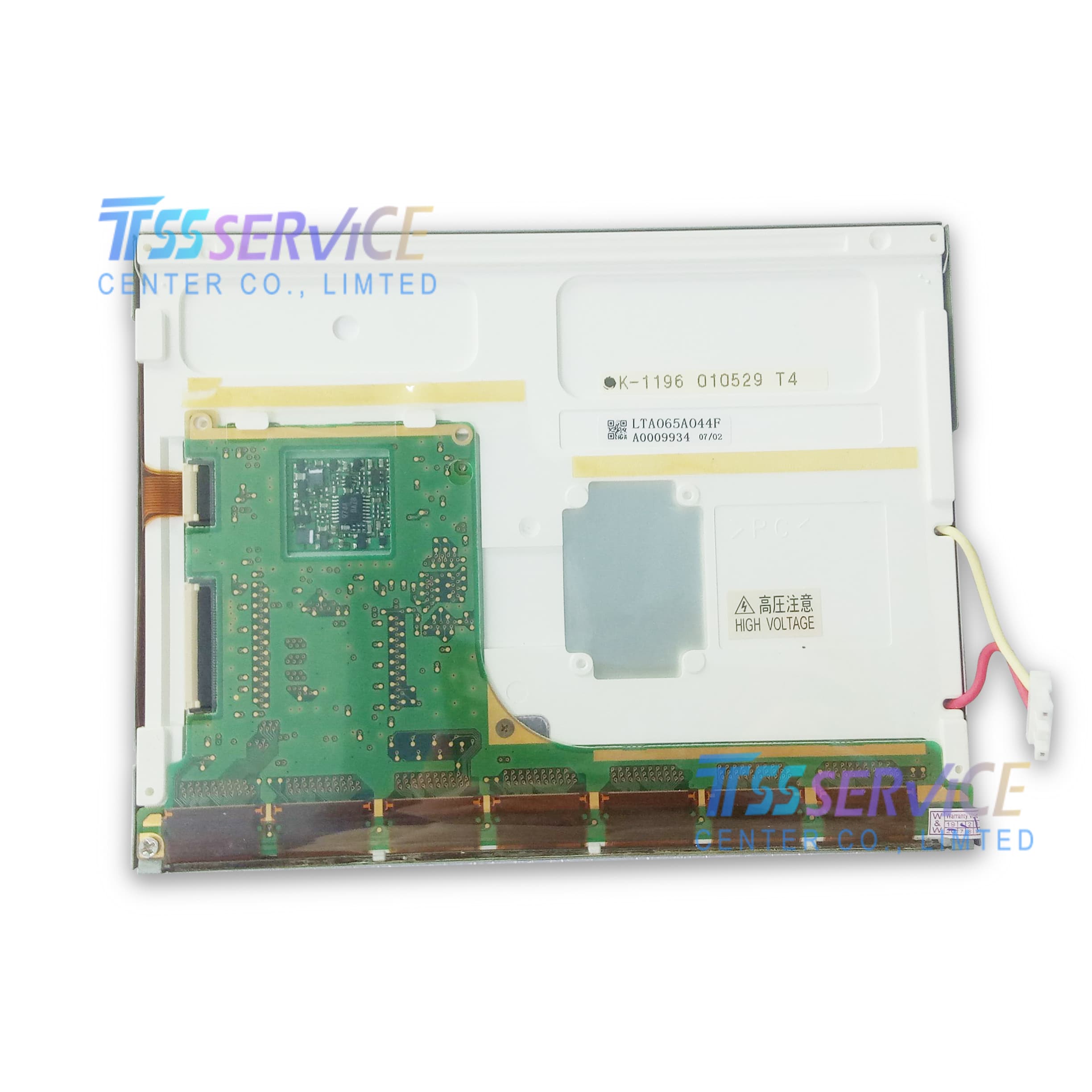
One of the key performance indicators for this module is its luminance, typically rated around 400 cd/m². This high brightness level ensures readability in ambient lighting conditions often found in factory floors or outdoor kiosks. The viewing angle, while not as wide as modern IPS panels, is adequate for its intended use, with a contrast ratio often exceeding 500:1. The interface is a standard LVDS (Low-Voltage Differential Signaling) 20-pin connector, which facilitates a clean, low-noise data transmission path. Power consumption is also a carefully managed parameter, typically hovering around 6 to 8 watts, making it suitable for integration into systems with regulated power supplies. The physical outline of the panel is robust, designed to fit into a standard bezel with pre-defined mounting holes for mechanical stability.
The Critical Distinction: LTA065A044 vs. LTA065A044F
Perhaps the most crucial detail for any technician or engineer sourcing this display is the subtle yet significant difference between the standard
LTA065A044 and the
LTA065A044F variant. The suffix 'F' is not a mere revision number; it denotes a fundamental change in the type of backlight used. The standard LTA065A044 utilizes a
CCFL (Cold Cathode Fluorescent Lamp) backlight. This older technology requires a high-voltage inverter (typically operating at several hundred volts) to ignite and sustain the lamp. CCFL backlights have a finite lifespan, often measured in 10,000 to 20,000 hours, and they degrade gradually, causing the display to become yellow or dim over time.
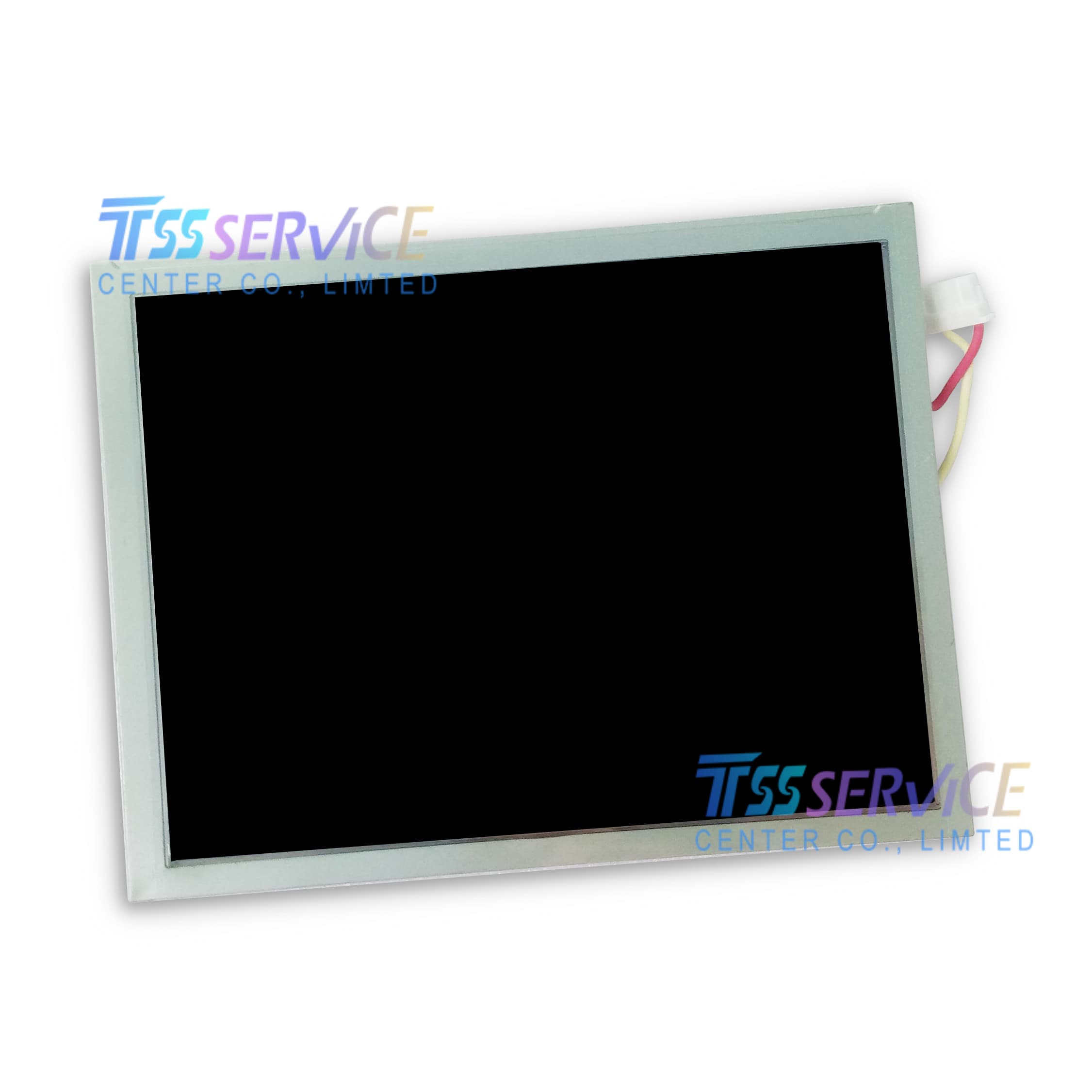
In contrast, the LTA065A044F version is equipped with an LED (Light Emitting Diode) backlight. This is a critical upgrade for several reasons. First, LED backlights consume significantly less power, improving the overall thermal profile of the equipment. Second, they offer a much longer operational life, often exceeding 50,000 hours. Third, LED backlights do not require an external inverter, simplifying the system design and reducing potential points of failure. This makes the 'F' version the preferred choice for new designs or replacements where reliability and energy efficiency are paramount. Furthermore, the LED backlight in the 'F' version provides more consistent brightness and color uniformity throughout its lifespan. When specifying a replacement part, verifying the 'F' suffix is the single most important step to ensure compatibility with the host system's power and control board.
Ecosystem and Application: Where Toshiba's Legacy Lives On
While originally engineered for Toshiba's own line of industrial computers and control panels, the LTA065A044 series has found a home in a diverse range of mission-critical applications. The primary market for this panel lies in the medical field. It is commonly found in patient monitoring systems, anesthesia machines, and diagnostic ultrasound devices. The 6.5-inch size is a perfect fit for portable or cart-mounted equipment where space is at a premium, but a clear, readable display is mandatory.
Beyond medical devices, the panel is extensively used in industrial automation. Human-Machine Interfaces (HMIs) for CNC machines, programmable logic controllers (PLCs), and robotic assembly stations frequently rely on this display. The high brightness and wide operating temperature range (typically -20°C to +70°C) make it suitable for factory environments. Another significant application area is in aviation and transportation, where it is used in in-flight entertainment systems, navigation displays, and even certain rail transit control panels.
-
Replacements: The panel is a standard drop-in replacement for legacy Toshiba equipment that is no longer in production, extending the life of expensive capital equipment.
-
Retrofits: Engineers often use the LTA065A044F to retrofit older CCFL-based systems, gaining the benefits of LED backlighting without completely redesigning the user interface.
-
Kiosks: It is also found in outdoor information kiosk terminals where sunlight readability is not the primary concern but reliability is.
Sourcing Strategies and Quality Assurance for Long-Term Reliability
Given that the LTA065A044 and its 'F' variant are now considered mature products (often categorized as "end of life" or "obsolete"), sourcing requires a strategic approach. The primary challenge is avoiding counterfeits or "pulled" panels that have been removed from used equipment. A reliable distributor must provide sourcing from original manufacturers (OEMs) or licensed contract manufacturers. Quality assurance begins with a comprehensive visual inspection for scratches, dead pixels, and backlight uniformity.
Critical steps in the sourcing process include:
-
Verifying the Part Number: Double-checking the full part number, including the 'F' suffix, against the service manual of the target device.
-
Testing for Backlight Function: For CCFL models, ensure the inverter is compatible. For LED models, verify the LED driver voltage and current specifications.
-
Checking the Revision Level: Some panels have minor revision letters (e.g., Rev. A, Rev. B). While usually interoperable, sourcing the exact revision is ideal for firmware compatibility.
-
ESD Protection: Ensure the supplier has proper electrostatic discharge (ESD) handling and packaging procedures, as these sensitive panels can be damaged by static electricity.
Engaging with a supplier that offers a warranty and technical support is non-negotiable. A credible source will have documented testing procedures and the ability to provide a data sheet for the specific batch. Given the high cost of downtime in industrial and medical settings, paying a premium for a certified, unused surplus panel is a far better investment than risking a field failure with an untested alternative. Always request certificates of conformance to ensure the panel meets the original Toshiba specifications.
The
LTA065A044 and LTA065A044F are more than just obsolete components; they are proven workhorses that maintain the operational integrity of critical systems worldwide. By understanding the technical specifications, the crucial backlight distinction, the application ecosystem, and the prudent sourcing strategies, professionals can effectively manage the lifecycle of their equipment. Whether you are extending the service of a vital medical monitor or maintaining a production line HMI, this panel offers a reliable bridge between legacy design and current operational needs. Investing in the correct variant from a trusted supplier is the key to ensuring uninterrupted performance and long-term cost efficiency.


