In an era dominated by ultra-high-definition, bezel-less screens, the Samsung LTM170E8-L01 occupies a unique and surprisingly relevant niche. This 17-inch LCD panel, with its standard 1280×1024 resolution, represents a critical bridge between legacy industrial systems and the demand for reliable
In an era dominated by ultra-high-definition, bezel-less screens, the Samsung LTM170E8-L01 occupies a unique and surprisingly relevant niche. This 17-inch LCD panel, with its standard 1280×1024 resolution, represents a critical bridge between legacy industrial systems and the demand for reliable, high-quality visual output. While not a cutting-edge marvel by today's consumer standards, this TFT-LCD module is far from obsolete. It is a workhorse engineered for environments where stability, consistent color reproduction, and a specific form factor are non-negotiable. This article explores the LTM170E8-L01 not merely as a piece of hardware, but as a strategic asset for professionals dealing with medical imaging, industrial automation, and point-of-sale systems. We will dissect its technical makeup, its optimal application environments, its comparative advantages over modern replacements, and the critical factors to consider when sourcing this specific component. By understanding its design philosophy and practical strengths, you can determine if this proven panel is the right solution for your technical requirements.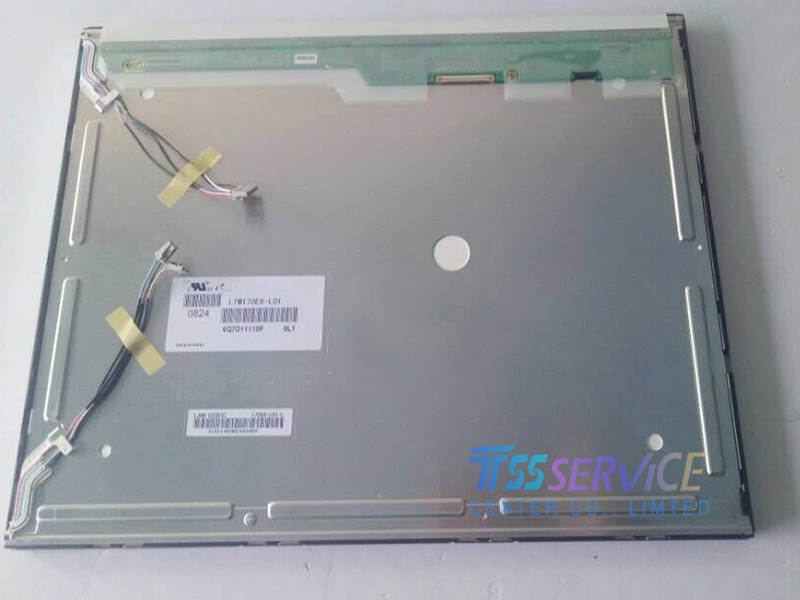
Technical Architecture: Precision Engineering for Sustained Performance
The LTM170E8-L01 is a product of Samsung's mature TFT-LCD technology, built on a Twisted Nematic (TN) architecture. While TN panels are often criticized for narrow viewing angles compared to IPS, Samsung optimized this model for brightness and response time—two attributes critical in its target markets. The panel delivers a luminance of typically 250 cd/m², which, combined with a high contrast ratio of 1000:1, ensures sharp text and clear graphical interfaces even in brightly lit control rooms or factory floors.
Its native resolution of 1280×1024 (SXGA) provides a 5:4 aspect ratio, a format that is increasingly rare but still deeply embedded in countless software ecosystems. This is not a limitation but a feature. Many legacy medical and industrial applications were coded for this exact pixel grid. Forcing a 16:9 resolution onto such software would result in stretching, black bars, or distorted user interfaces. The LTM170E8-L01’s electrical interface is an LVDS (Low-Voltage Differential Signaling) connector, a standard that ensures low electromagnetic interference and reliable signal transmission over short distances. Furthermore, its power consumption is remarkably efficient, typically under 25 watts, reducing thermal stress in enclosed systems. This technical profile makes it a drop-in replacement for countless OEM machines originally designed in the early to mid-2000s, extending their operational lifespan without the need for expensive controller board upgrades.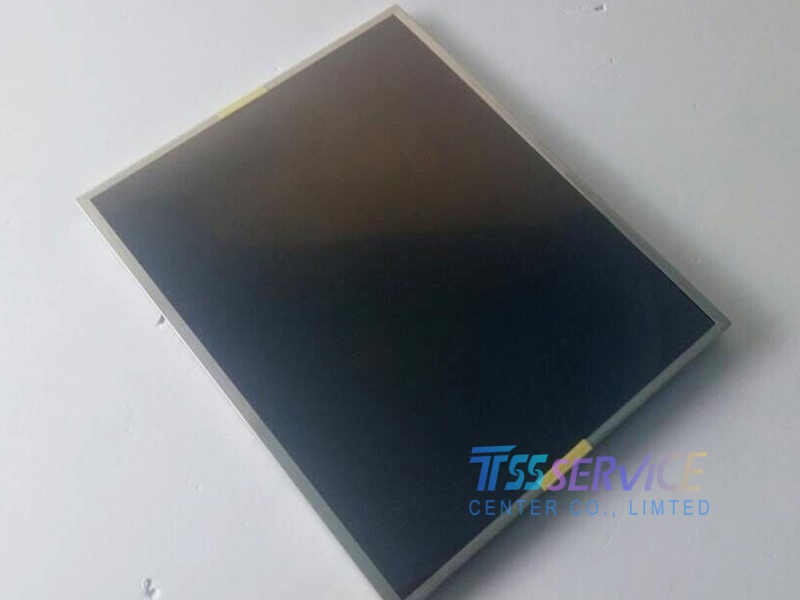
Mission-Critical Applications: Where Reliability Meets Specificity
Understanding where the LTM170E8-L01 excels requires looking beyond home entertainment. Its primary market is industrial and professional environments that prioritize function over form. In the medical field, this panel is often found in patient monitoring systems, ultrasound machines, and diagnostic imaging workstations. The 5:4 aspect ratio is ideal for displaying two or more windows side-by-side, such as a patient chart and a live ECG waveform, without sacrificing legibility.
Equally important is its role in Factory Automation (FA). Human-Machine Interfaces (HMIs) for CNC machines, PLC controllers, and assembly line monitors often require a panel that can operate continuously for years. The LTM170E8-L01’s robust design and use of CCFL (Cold Cathode Fluorescent Lamp) backlighting, while older technology, provides a stable, flicker-free light source that many older optical sensors and calibration tools depend on. In the Point-of-Sale (POS) sector, this screen is prized for restaurant and retail kiosks where a vertical, square-like display is preferred for menu boards or transaction prompts. The key differentiator here is longevity and availability. Unlike newer, proprietary panels that are phased out after 18 months, this Samsung model has a well-documented service life and a robust aftermarket supply chain, making it a safe bet for system integrators who need to guarantee support for years to come.
Strategic Sourcing: Distinguishing New from Legacy Inventory
Acquiring a NEW LTM170E8-L01 requires a strategic approach, as the bulk of available inventory is either refurbished or pulls from discontinued systems. A true “New” panel—often referred to as New Old Stock (NOS)—is distinct from used or refurbished units in several critical ways. First, a new panel will exhibit zero pixel defects and will have a full operational life for its backlight, typically rated for 30,000 to 50,000 hours. Second, the protective polarizer film will be pristine, free from micro-scratches or chemical fogging that often occurs on reused panels.
When sourcing, it is imperative to verify the manufacturing date code and the supplier’s quality assurance process. A genuine new panel will often come in original Samsung anti-static packaging. The risks of buying used alternatives include inconsistent color uniformity, higher input lag due to degraded driver chips, and the potential for imminent backlight failure. However, a key caution for buyers is the CCFL backlight. While reliable, CCFL tubes contain mercury and have a gradual warm-up time, unlike instant-on LEDs. Ensure your system’s inverter board is compatible and in good condition. For a cost-conscious upgrade path, a new LTM170E8-L01 offers the best balance of investment security and performance assurance, preserving the integrity of the original hardware design without the debugging time associated with untested surplus components.
Future-Proofing: The Integration Challenge and Enduring Value
Integrating the LTM170E8-L01 into a modern system presents a unique set of challenges and opportunities. The primary hurdle is connectivity. Most modern graphics cards and embedded computers have moved away from native LVDS outputs, favoring HDMI, DisplayPort, or eDP (Embedded DisplayPort). This necessitates the use of an LVDS controller board. Fortunately, because the LTM170E8-L01 is a standard part, generic and Samsung-specific controller boards are widely available and relatively simple to configure via OSD (On-Screen Display) buttons.
The future value of this panel lies in its retrofit potential. For example, we see a growing community of industrial restorers using the LTM170E8-L01 to upgrade classic arcade cabinets or vintage CAD workstations, where the 5:4 ratio is historically accurate. Furthermore, its dual-channel LVDS interface allows for resolutions up to 1920×1200 with a compatible controller, offering a path to higher detail within the same physical frame. The key to successful integration is ensuring your power supply meets the strict 12V DC input requirements and that the ambient temperature does not exceed the operating range of 0°C to 50°C. When correctly paired, this panel is not a bottleneck but a reliable foundation. It demonstrates that standardization and proven technology can outlast fleeting trends, offering a cost-effective, high-quality solution for applications where perfect color accuracy at extreme angles is less critical than durability, consistency, and a perfect fit for legacy software ecosystems.
In summary, the Samsung LTM170E8-L01 is not a spec-sheet champion, but a reliability champion ideally suited for industrial, medical, and POS systems demanding a proven 5:4 interface. Its true strength lies in its role as a standardized, long-life drop-in replacement that protects your software and hardware investments from costly redesigns. For system integrators and maintenance professionals, choosing a genuine new unit offers the best assurance of consistent brightness, zero dead pixels, and a predictable operational lifespan. While the technology is mature, its application in mission-critical environments remains as relevant today as it was at its launch, proving that functional perfection often outweighs the allure of unnecessary novelty.


