In the intricate world of display technology, where precision and reliability are paramount, the M150XN07 V.2 stands out as a critical component for countless devices. This 15.0-inch LCD panel, manufactured by AU Optronics (AUO), represents more than just a screen; it is the visual gateway for industrial equipment, specialized medical devices, and high-end portable workstations. This article delves deep into the specifications, technological advancements
In the intricate world of display technology, where precision and reliability are paramount, the M150XN07 V.2 stands out as a critical component for countless devices. This 15.0-inch LCD panel, manufactured by AU Optronics (AUO), represents more than just a screen; it is the visual gateway for industrial equipment, specialized medical devices, and high-end portable workstations. This article delves deep into the specifications, technological advancements, and practical applications of this new and original display module.
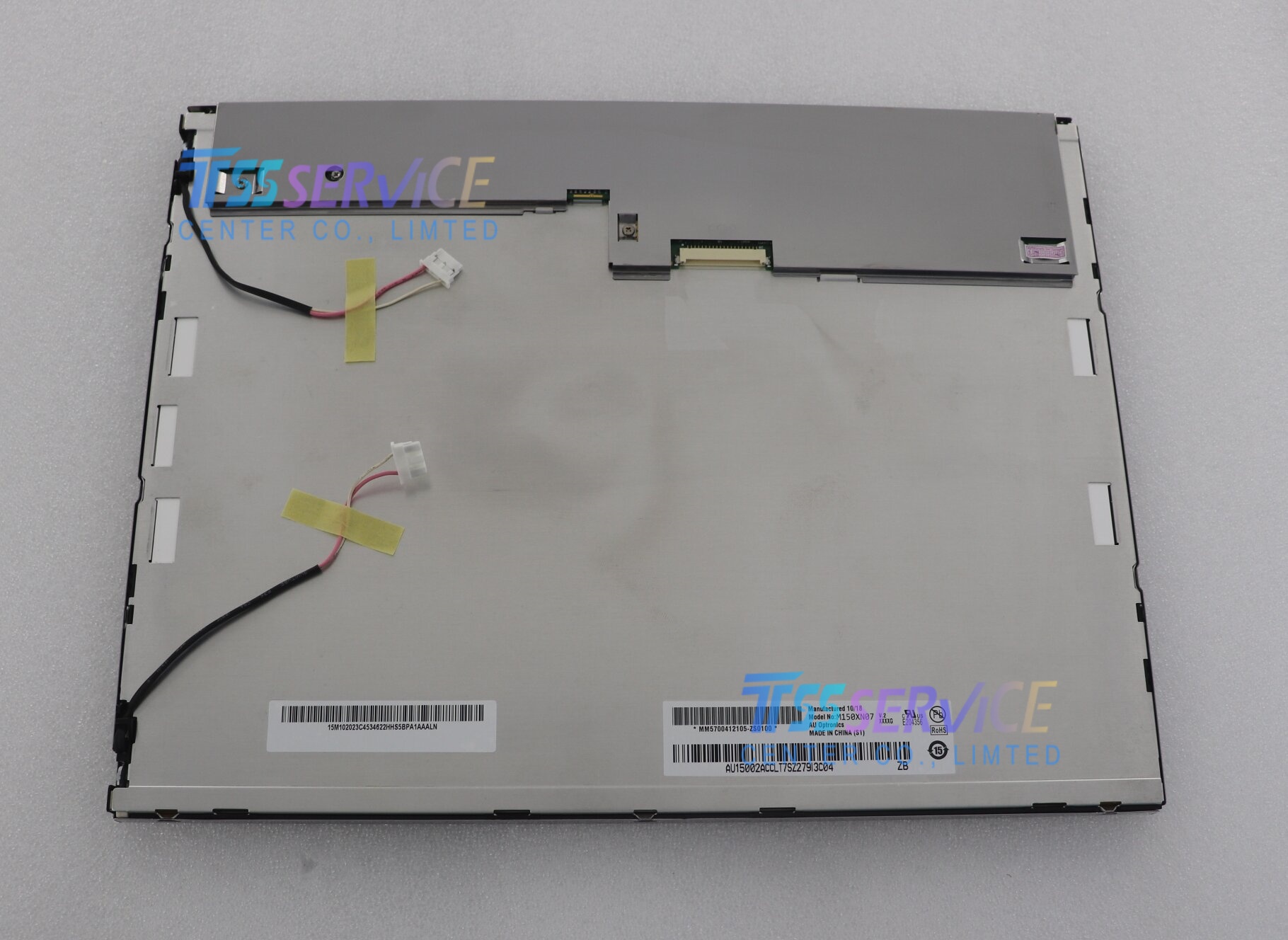
Understanding its role requires moving beyond basic specs to explore why the V.2 iteration matters, how its engineering solves real-world problems, and what makes sourcing an authentic unit vital for system integrity. We will unpack the layers of this display, from its optical performance to its integration nuances, providing a comprehensive resource for engineers, procurement specialists, and tech enthusiasts who demand clarity in a complex market.
Decoding the M150XN07 V.2: Core Specifications and Evolution
The AUO M150XN07 V.2 is a 15.0-inch diagonal a-Si TFT-LCD module with an XGA resolution of 1024 x 768 pixels. While this resolution may seem conventional, its strength lies in its robust design and standardized form factor, ensuring broad compatibility with legacy and contemporary systems alike. The panel utilizes a standard RGB stripe arrangement and typically offers a brightness of 300 nits, a contrast ratio of 500:1, and wide viewing angles, making it suitable for environments where viewing consistency is crucial.
The "V.2" designation is key, indicating a revision or improvement over a previous version. This evolution often encompasses enhancements in:
-
Power Efficiency: Refined backlight systems or driver electronics that reduce overall power consumption.
-
Manufacturing Process: Yield improvements or material changes that enhance reliability without altering the external interface.
-
Longevity: Upgraded components, such as the backlight LED array, to extend the operational lifespan of the module.
Understanding these specs is the first step in recognizing this panel not as a commodity, but as a precisely engineered solution with a defined performance envelope.
Engineering Advantages: Beyond Basic Display Function
The true value of the M150XN07 V.2 is revealed in its engineering for durability and stability. Designed for embedded and industrial applications, it often features a robust metal chassis and connector placement that mitigates stress. Its wide operating temperature range is a critical advantage, allowing functionality in environments where consumer-grade panels would fail. This resilience makes it ideal for medical diagnostics, field test equipment, and industrial control panels.
Furthermore, the panel's signal interface—typically LVDS—provides a stable, noise-resistant connection, ensuring consistent image integrity over time and distance within a device. The mechanical design, including screw hole placements and bezel dimensions, adheres to strict standards, guaranteeing drop-in replacement compatibility. This focus on long-term reliability and precise form-fit transforms the display from a simple output device into a dependable system component that OEMs can integrate with confidence, knowing it will perform under demanding conditions for years.
The Critical Importance of Sourcing New & Original Modules
In the secondary market for display panels, the terms "new" and "original" carry significant weight, especially for a module like the M150XN07 V.2. Sourcing an original AUO panel ensures that all performance specifications, from color gamut and luminance to electrical timing, match the manufacturer's datasheet. This guarantees compatibility with existing controller boards and system firmware, preventing issues like flickering, signal dropouts, or premature backlight failure.
Opting for non-original, refurbished, or "compatible" panels poses substantial risks:
-
Performance Variance: Uncalibrated panels may exhibit color shifts, uneven backlighting, or incorrect gamma curves.
-
Reliability Compromise: Used backlights or aged capacitors can drastically shorten the module's usable life, leading to costly field failures.
-
Physical Inconsistency: Slight deviations in thickness or connector alignment can cause mechanical fit issues during installation.
For system integrators and repair professionals, insisting on new, original inventory is not a matter of preference but a cornerstone of product quality and customer trust.
Integration and Application: Where This Display Excels
The application landscape for the M150XN07 V.2 is defined by its blend of standardized format and rugged dependability. It is not a panel for consumer laptops but for specialized equipment where uptime is critical. Primary application sectors include:
-
Medical Technology: Patient monitoring systems, diagnostic ultrasound machines, and portable medical carts where clear, reliable visualization is non-negotiable.
-
Industrial Automation: HMI (Human-Machine Interface) panels on factory floors, CNC machine controllers, and test/measurement devices.
-
Transportation and Avionics: In-vehicle information systems and auxiliary displays in controlled environments.
-
Specialized Computing: Certain ruggedized laptops and field workstations used in military, geological, or utility sectors.
Successful integration hinges on verifying the interface compatibility (pin-out and voltage) and mechanical dimensions with the host device. Engineers must consult the precise datasheet for the V.2 revision to ensure alignment, as even minor changes from a prior version can affect fit and function. In these contexts, the display is a critical subsystem, and its correct implementation is vital to the overall product's performance.
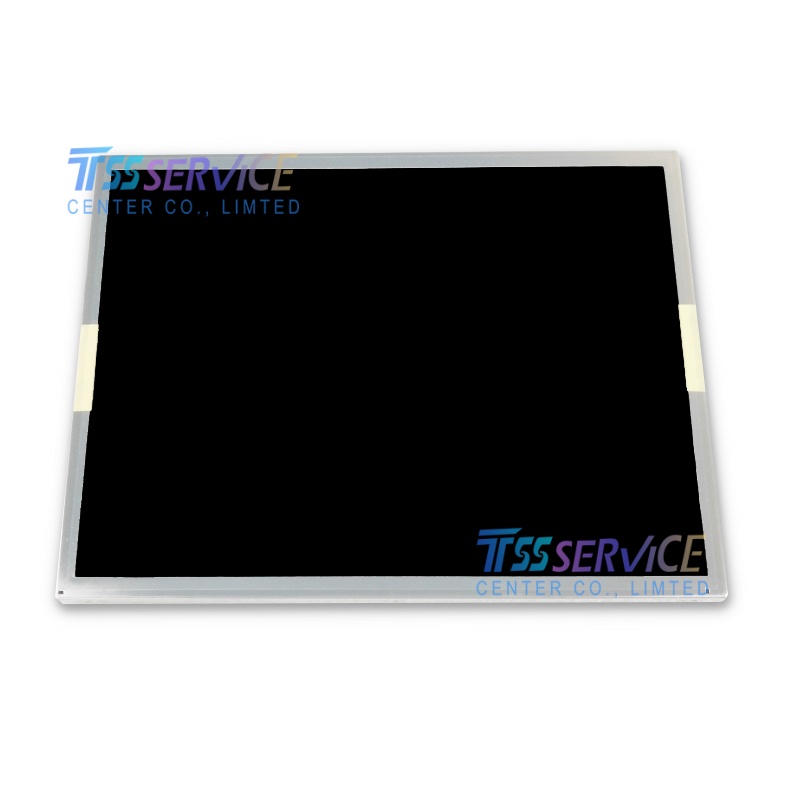
In summary, the AUO M150XN07 V.2 is a testament to specialized display engineering, where reliability, longevity, and precise compatibility take precedence over sheer pixel count. Its value is unlocked through a deep understanding of its technical evolution, rugged design principles, and the imperative of sourcing authentic modules. For professionals tasked with maintaining or integrating systems in demanding fields, this panel represents not just a component, but a dependable visual interface that upholds the integrity of the entire application. Making informed decisions about its specification and procurement is fundamental to ensuring operational excellence and long-term system viability.


