In the demanding world of industrial technology, where reliability is non-negotiable and environmental challenges are a daily reality, the choice of a display panel is far more than a simple procurement decision. It is a critical investment in operational continuity
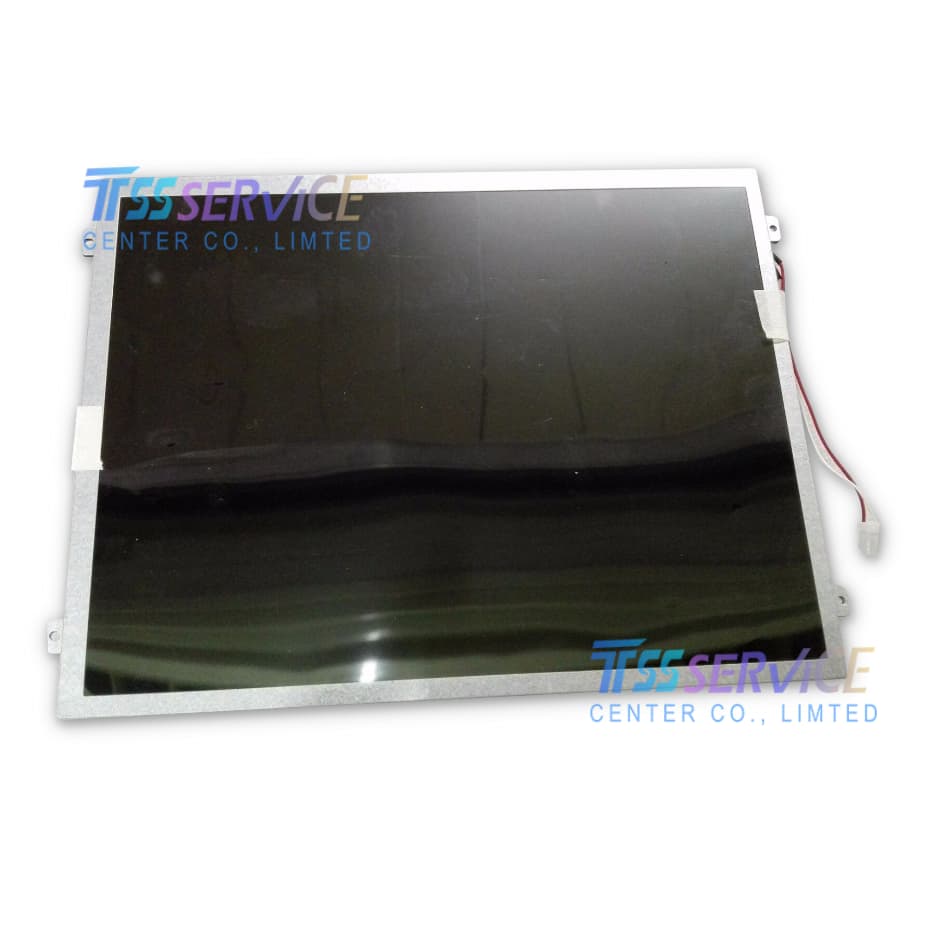
In the demanding world of industrial technology, where reliability is non-negotiable and environmental challenges are a daily reality, the choice of a display panel is far more than a simple procurement decision. It is a critical investment in operational continuity, user interface clarity, and long-term system integrity. This article delves into the MITSUBISHI AA104SM02, a 10.4-inch LCD panel engineered specifically for the industrial arena. We will move beyond basic specifications to explore the core engineering philosophies that make this panel a trusted component in factories, medical devices, transportation systems, and outdoor kiosks. Our analysis will uncover how its design directly addresses the unique pain points of industrial applications, from withstanding harsh conditions to ensuring consistent performance over an extended lifecycle.
Engineering for Extreme Environments: Beyond the Standard Display
The fundamental differentiator of the Mitsubishi AA104SM02 lies in its ruggedized construction, designed to perform where commercial-grade screens would fail. Industrial settings present a trifecta of challenges: thermal stress, physical vibration, and contaminant ingress. This panel is built with a robust metal frame and secure mounting points to resist the shocks and constant vibrations common in manufacturing plants or vehicular installations. Its operating temperature range is significantly wider than that of consumer displays, ensuring stable performance in both refrigerated warehouses and sun-baked outdoor enclosures.
Furthermore, the optical bonding technology often employed with this panel type is a key feature. By laminating the LCD cell directly to the cover glass, it eliminates the air gap that causes internal condensation, glare, and reduces mechanical failure points. This results in enhanced durability, better readability in bright ambient light, and a sealed front surface that resists dust and moisture. This environmental fortification is not an add-on but the very foundation of its design, making it a component you can "set and forget" in challenging installations.
The Core Visual Technology: Analyzing the AA104SM02's Performance
At its heart, the AA104SM02 utilizes a Super VGA (SVGA) resolution of 800 x 600 pixels. While this may seem modest compared to high-definition consumer screens, it is a strategic choice for industrial human-machine interfaces (HMIs). The lower pixel density on a 10.4-inch screen renders text, schematic diagrams, and control buttons with exceptional clarity and legibility, reducing operator eye strain during long shifts. The panel typically features a high-brightness backlight, often reaching 500 nits or more, to combat washout from direct sunlight or strong overhead lighting.
Color performance and viewing angles are also tuned for functionality. It offers a stable color representation and wide viewing angles (both horizontal and vertical), ensuring that the displayed information remains accurate and visible from various positions around a machine or control panel. The focus is on delivering consistent, reliable, and easily interpretable visual data—transforming raw sensor readings and system status into actionable information for technicians and operators, which is the ultimate purpose of an industrial display.
Interface and Integration: The Backbone of System Compatibility
A display panel does not operate in isolation; it must seamlessly integrate into a larger electronic ecosystem. The Mitsubishi AA104SM02 excels here through its use of a LVDS (Low-Voltage Differential Signaling) interface. LVDS is the industry-standard digital video interface for industrial and embedded applications due to its robustness against electromagnetic interference (EMI)—a common issue in electrically noisy factories. This ensures a clean, stable signal transmission from the system's controller board to the display, preventing screen flicker or data corruption.
Integration is further simplified by the panel's long-term availability and stable mechanical footprint. System designers can architect a product with the confidence that this critical component will remain in production for many years, avoiding costly re-designs. The panel's design also facilitates easy integration with resistive touchscreen overlays, a preferred technology in industrial settings due to its compatibility with gloved hands and its resistance to surface liquids and contaminants.
Strategic Applications and Total Cost of Ownership
Understanding where and why the AA104SM02 is deployed reveals its true value proposition. Its primary applications are in sectors where failure is not an option:
-
Factory Automation & HMIs: As the primary interface for PLCs and control systems on machine tools, assembly lines, and robotic cells.
-
Medical Diagnostic Equipment: In devices requiring reliable, clear monochrome or color imaging and constant uptime.
-
Transportation & Fleet Management: For in-vehicle displays in trains, forklifts, and heavy machinery, enduring constant motion and temperature swings.
-
Outdoor Information Kiosks & Digital Signage: Where it must withstand weather, vandalism, and 24/7 operation.
The decision to select this panel is ultimately a calculation of Total Cost of Ownership (TCO). While its initial price point may be higher than a commercial panel, its extended lifespan, reduced failure rates, and minimal maintenance requirements lead to significantly lower long-term costs. It mitigates the enormous expense of system downtime, repair visits, and premature replacement, proving that in industrial contexts, the most reliable component is often the most economical choice over time.
In conclusion, the Mitsubishi AA104SM02 10.4-inch LCD panel exemplifies the principle that industrial components are defined by their resilience and reliability, not just their specifications. Its value is engineered into every layer, from the ruggedized physical build and environmentally-sealed optics to the stable LVDS interface and operator-centric visual performance. Choosing this panel is a strategic decision that prioritizes system integrity and operational continuity over the long term. For engineers and system integrators building solutions for harsh environments, it represents a proven foundation upon which dependable and durable interfaces are constructed, ensuring that critical information is always visible and actionable.


