In the demanding world of industrial automation, medical imaging, and process control, the display interface is far more than a simple window to data—it is a critical component of system reliability, performance, and user interaction
In the demanding world of industrial automation, medical imaging, and process control, the display interface is far more than a simple window to data—it is a critical component of system reliability, performance, and user interaction. At the heart of many robust solutions lies a specialized component: the MITSUBISHI 12.1INCH LCD PANEL SCREEN AA121SL12. This is not a consumer-grade screen but a precision-engineered industrial module designed to excel where standard displays would falter.
This article delves into the technical architecture, environmental resilience, and application-specific advantages of the AA121SL12. We will explore what sets this panel apart, examining its core specifications, the engineering behind its durability, the practical integration considerations for OEMs and system designers, and the tangible impact it delivers in real-world industrial settings. Understanding these facets is key to selecting a display that ensures long-term operational integrity.

Engineering Excellence: Deconstructing the AA121SL12's Core Architecture
The Mitsubishi AA121SL12 is built upon a foundation of high-performance TFT-LCD technology. Its 12.1-inch diagonal screen offers a native resolution of 800 x 600 pixels (SVGA), a format that remains a staple in industrial HMI and instrumentation due to its balance of clarity and compatibility with legacy systems. The panel utilizes a high-brightness CCFL backlight system, typically delivering over 400 nits of luminance. This ensures exceptional visibility in brightly lit factory environments or under direct ambient light, a common challenge for consumer LCDs.
Beyond brightness, the module's design prioritizes signal integrity and longevity. It features a robust LVDS (Low-Voltage Differential Signaling) interface, which minimizes electromagnetic interference (EMI)—a crucial factor in electrically noisy industrial settings. The mechanical construction, including a sturdy metal frame and carefully selected polarizers, is engineered to withstand constant operation. This focus on core electrical and optical performance establishes the AA121SL12 as a reliable, high-fidelity visual engine, forming the basis for its more advanced ruggedized features.
Built for the Battlefield: Ruggedization and Environmental Resilience
What truly defines an industrial panel is its ability to conquer hostile environments. The Mitsubishi AA121SL12 excels here through a multi-layered approach to ruggedization. It is designed to operate reliably across an extended temperature range, often from -20°C to +70°C, ensuring functionality in unheated warehouses or near hot machinery. Its components are selected and tested for resistance to vibration and shock, preventing disconnections or damage from constant motion or incidental impacts common on plant floors.
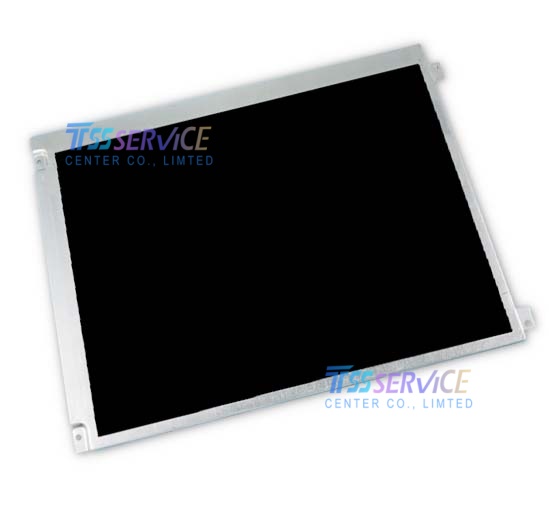
Furthermore, the panel assembly is meticulously sealed to protect against contaminants. It offers high resistance to dust and moisture ingress, addressing threats like airborne particulates in manufacturing or humidity in food processing plants. The front surface typically incorporates a hardened glass or polycarbonate overlay to resist scratches, abrasions, and chemical splashes. This environmental fortress-like quality transforms the display from a fragile component into a durable asset, guaranteeing continuous service where failure is not an option.
Integration in Practice: Application-Specific Advantages and Considerations
The value of the AA121SL12 is fully realized in its application. Its characteristics make it an ideal choice for several critical sectors. In Factory Automation and HMI, its high brightness and wide viewing angle allow operators to monitor processes clearly from various positions. In Medical Diagnostic Equipment (for non-patient contact surfaces), its consistent color reproduction and reliability are paramount for accurate image display. It is also prevalent in Transportation Systems (for onboard information displays) and Kiosks, where 24/7 operation is required.
For system integrators, key considerations include:
-
Power Supply & Interface: Ensuring a clean, stable power source compatible with the module's CCFL backlight inverter and LVDS signal requirements.
-
Mechanical Mounting: Designing a chassis that securely fastens the module while allowing for proper heat dissipation across its operating temperature range.
-
Long-Term Supply: Industrial products often have longer lifecycles than consumer parts; the AA121SL12's availability is tailored for sustained production runs.
Beyond Specifications: The Tangible ROI of a Purpose-Built Industrial Display
Choosing a specialized component like the Mitsubishi AA121SL12 over a commercial panel is an investment with a clear return. The primary ROI manifests as dramatically reduced total cost of ownership. While the initial unit cost may be higher, this is offset by far lower rates of field failure, minimizing costly downtime, emergency replacements, and maintenance labor. In a high-value production line, an hour of downtime can cost thousands, making display reliability a direct financial concern.
Additionally, the panel's longevity and stable supply chain protect capital investments in machinery and control systems that may be in service for a decade or more. It also enhances operator safety and efficiency by providing a consistently readable interface, reducing errors. Ultimately, the AA121SL12 is not merely a component purchase; it is a strategic decision for system integrity, fostering uninterrupted productivity and safeguarding operational continuity in the most challenging conditions.
The Mitsubishi AA121SL12 12.1-inch LCD panel exemplifies the engineering rigor required for industrial success, merging high-visibility performance with exceptional ruggedness. Its design directly addresses the environmental and operational hazards that compromise standard displays, delivering unwavering reliability. For system designers and OEMs, integrating this panel translates into enhanced system durability, lower lifetime costs, and sustained operational performance. In an arena where failure carries significant consequences, specifying a purpose-built display like the AA121SL12 is not just a technical choice—it is a fundamental pillar of robust and dependable industrial system design.


