In the demanding world of industrial automation, medical imaging, and process control, the display interface is far more than a simple window to data—it is a critical component of system reliability, performance, and user interaction.
In the demanding world of industrial automation, medical imaging, and process control, the display interface is far more than a simple window to data—it is a critical component of system reliability, performance, and user interaction. Selecting the right display panel requires a deep understanding of technical specifications and their real-world implications. This article provides an in-depth exploration of the MITSUBISHI AA121XN11, a 12.1-inch LCD panel engineered specifically for industrial-grade applications.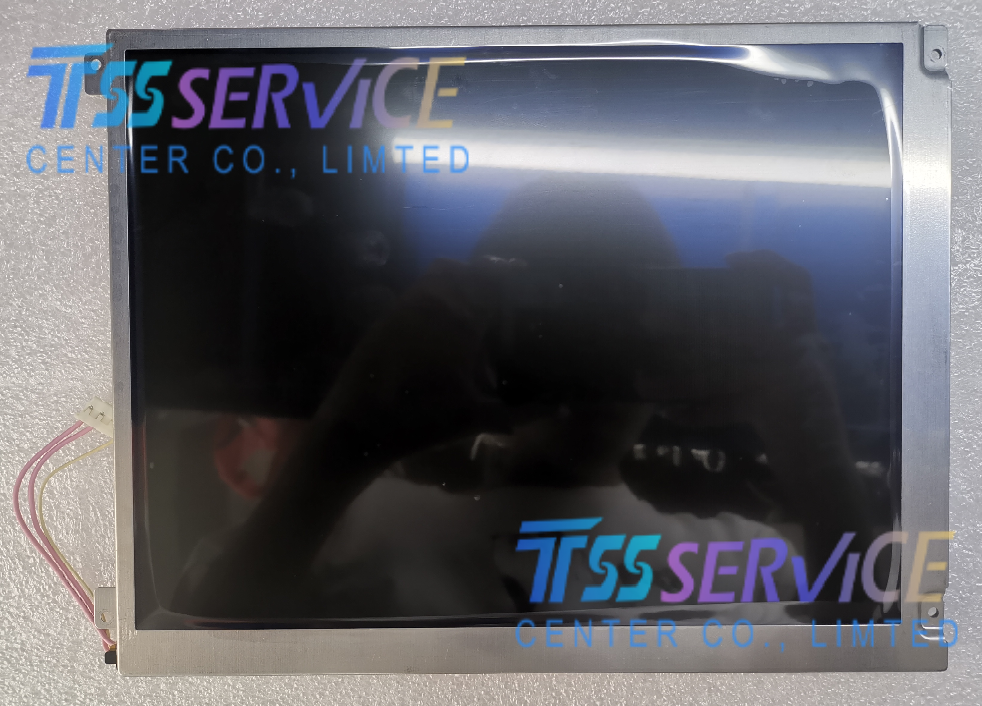
We will move beyond basic datasheet parameters to analyze how its core technologies translate into tangible benefits within harsh operational environments. From its advanced optical performance and robust mechanical design to its precise digital interface and ultimate application suitability, this analysis aims to equip engineers, system integrators, and procurement specialists with the knowledge needed to make an informed decision for their most challenging projects.
Advanced Optical Performance for Uncompromised Clarity
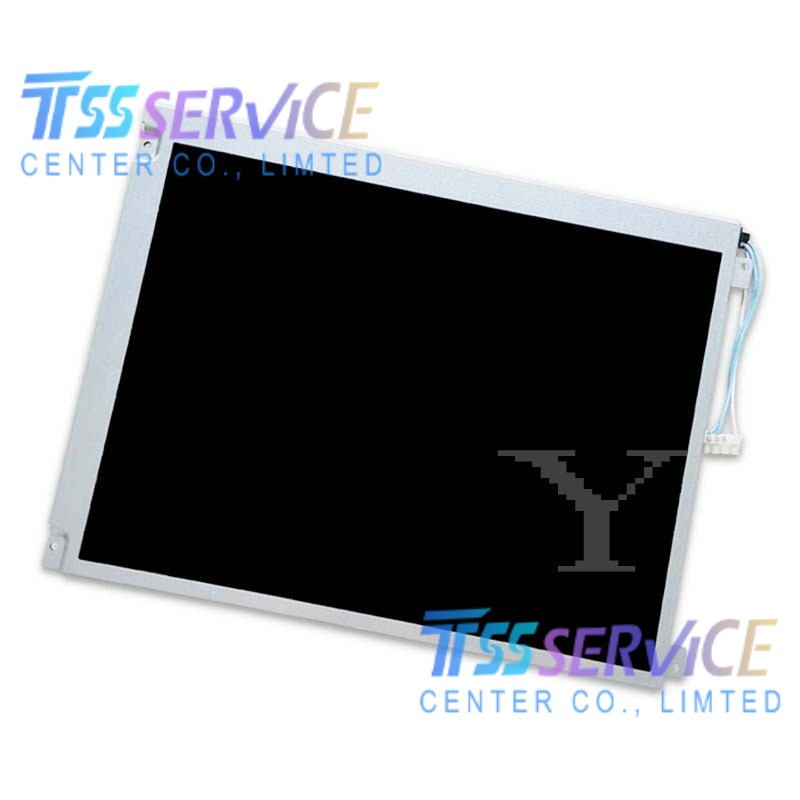
The MITSUBISHI AA121XN11 is built upon a high-performance a-Si TFT LCD module, but its true value lies in the sophisticated optical stack engineered for industrial readability. The panel features a native resolution of 1024 x 768 (XGA), which offers an optimal balance between detail density and system processing load for control interfaces and diagnostic screens. A peak brightness of 450 cd/m² ensures vivid visibility even under strong ambient lighting conditions commonly found in factory floors or outdoor enclosures.
More critically, it incorporates a high contrast ratio and excellent color depth. This combination is vital for applications where distinguishing subtle gradients is necessary, such as in grayscale medical imaging or identifying minute anomalies in thermal diagrams. The optical bonding option, where the touch panel or cover glass is laminated directly to the LCD, drastically reduces internal reflection and glare. This not only enhances contrast but also improves durability by eliminating an air gap where condensation or dust could accumulate, directly addressing environmental challenges.
Robust Mechanical and Environmental Endurance
Industrial environments are synonymous with vibration, shock, wide temperature swings, and potential contamination. The AA121XN11 is designed from the ground up to withstand these rigors. Its construction utilizes high-grade materials and a rigid frame to ensure structural integrity. The panel is rated for operation over an extended temperature range, typically from -30°C to +80°C for the display surface, allowing it to perform reliably in unheated warehouses or sun-exposed outdoor kiosks.
The integration of LED backlighting is a key factor in its longevity and stability. Compared to older CCFL technology, LEDs offer instant-on capability, lower power consumption, and a significantly longer lifespan that minimizes maintenance downtime. Furthermore, the panel's design emphasizes resistance to dust and moisture ingress. When paired with a properly rated front bezel, it can meet stringent ingress protection standards, safeguarding the electronics from particulate matter and liquids that are ever-present in industrial and transportation settings.
Digital Interface Precision and System Integration
Seamless and error-free communication with the host controller is paramount. The AA121XN11 employs a pure LVDS (Low-Voltage Differential Signaling) digital interface. This technology is preferred in industrial applications for its robustness against electromagnetic interference (EMI), which is prevalent in environments with heavy machinery and motor drives. The differential signaling ensures data integrity over longer cable runs without signal degradation.
The panel supports a single-channel LVDS configuration, simplifying cabling and controller requirements. Its precise timing controller and support for standard video modes ensure broad compatibility with a wide range of industrial PC boards and embedded systems. For integrators, this means reduced development time and lower risk of compatibility issues. The design also typically includes a comprehensive connector system for power, video, and backlight control, facilitating a clean and reliable integration into the final product assembly.
Targeted Applications and Long-Term Value Proposition
The technical attributes of the AA121XN11 converge to define its ideal application landscape. It is not a consumer-grade panel but a specialized tool for critical systems. Primary applications include Industrial Human-Machine Interfaces (HMIs) for factory automation and PLC control stations, medical diagnostic displays for portable ultrasound or patient monitoring devices, and transportation information systems in aviation, rail, or maritime contexts.
The long-term value proposition extends beyond the initial purchase. Key considerations include:
-
Mean Time Between Failures (MTBF): Industrial panels like this are rated for tens of thousands of hours of continuous operation.
-
Supply Chain Stability: Mitsubishi Electric is known for long-term product lifecycle support, crucial for products that may be in the field for a decade or more.
-
Total Cost of Ownership: While the upfront cost may be higher than a commercial panel, the avoidance of frequent failures, maintenance, and system downtime results in a lower total cost over the product's operational life.
In conclusion, the MITSUBISHI AA121XN11 12.1-inch LCD panel represents a purpose-built solution where reliability is non-negotiable. Its strengths in optical clarity, environmental toughness, stable digital interfacing, and long-term support make it a superior choice for demanding industrial, medical, and transportation applications. For system designers prioritizing durability, performance consistency, and lifecycle value over initial cost savings, this display module stands as a robust and trustworthy foundation for any critical visual interface.


