In the intricate world of electronic components, the display panel often serves as the critical interface between machine and user. For engineers, product designers, and procurement specialists, selecting the right LCD is a decision that balances technical specifications, reliability, and cost
In the intricate world of electronic components, the display panel often serves as the critical interface between machine and user. For engineers, product designers, and procurement specialists, selecting the right LCD is a decision that balances technical specifications, reliability, and cost. This article provides a deep-dive analysis of the Mitsubishi AA065VB06, a 6.5-inch VGA TFT-LCD panel that has established itself as a stalwart in industrial and specialized applications.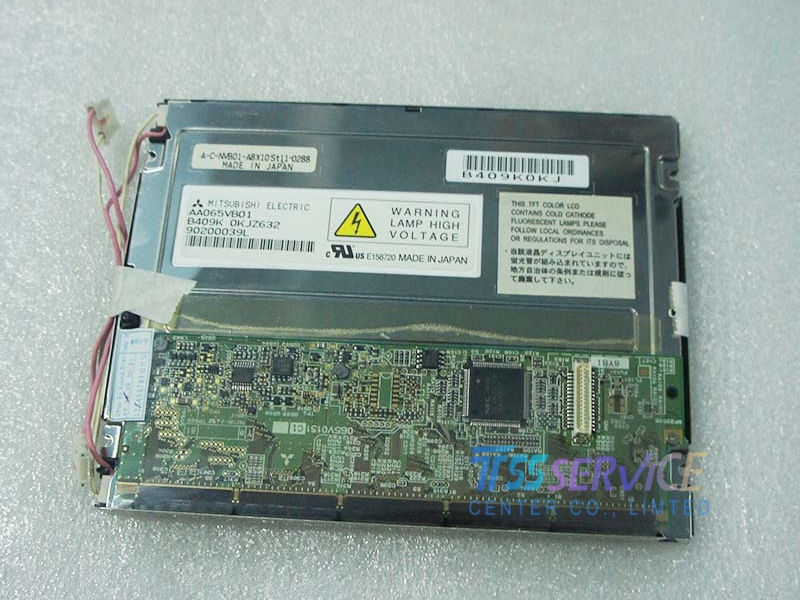
We will move beyond basic datasheet parameters to explore the unique value proposition of this display. From its core technological architecture and defining visual characteristics to its practical integration challenges and ideal application landscapes, this analysis aims to furnish professionals with the insights needed to determine if the AA065VB06 is the optimal visual engine for their next project.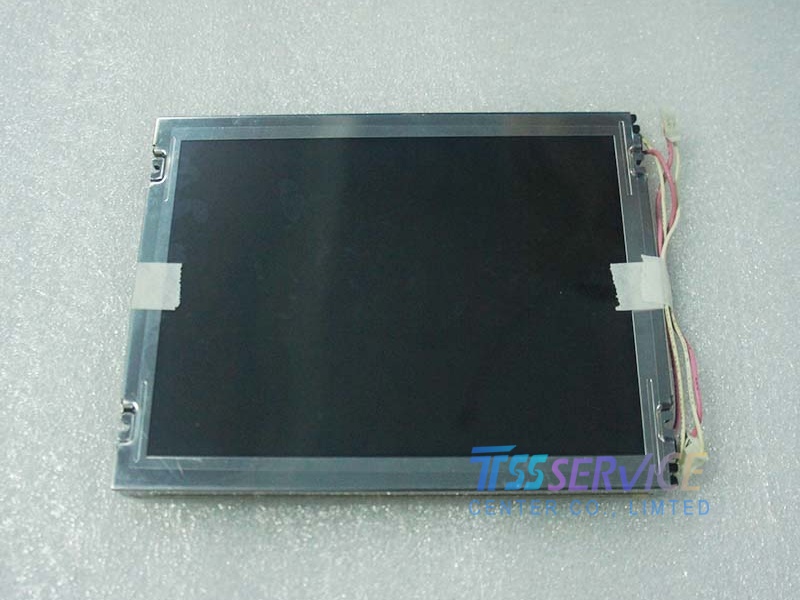
Deconstructing the Core Technology: A Legacy of Reliability
The Mitsubishi AA065VB06 is built upon a foundation of mature, proven Thin-Film Transistor (TFT) technology. Its 640 x 480 pixel resolution, known universally as VGA, may seem modest in an era of 4K displays, but this is precisely its strategic strength. This resolution delivers exceptional clarity for character, symbol, and basic graphical user interfaces without imposing excessive processing overhead on the system's controller. The panel typically incorporates a CCFL (Cold Cathode Fluorescent Lamp) backlighting system, a technology renowned for its even illumination, wide operating temperature range, and long service life—key factors in industrial settings.
This module is not merely a collection of glass and circuits; it represents an engineering philosophy centered on durability and consistent performance. The use of robust connectors and a design geared towards continuous operation speaks to its heritage in markets where failure is not an option. The technology choices reflect a prioritization of stability over cutting-edge specs, making it a de-risked component for mission-critical systems where predictability is paramount.
Visual Performance and Human-Factor Engineering
Evaluating this panel requires a context-specific lens. Its 6.5-inch diagonal and VGA resolution combine to produce a pixel pitch that yields sharp, easily legible elements—a crucial factor for operators who may need to monitor data for extended periods. The typical brightness level (often around 300-400 nits) ensures viewability in moderately lit environments, while the native aspect ratio of 4:3 is ideally suited for traditional machine control interfaces, legacy systems, and diagnostic equipment.
Color performance is adequate for informational display, supporting the necessary color depth to distinguish status indicators, graphs, and warnings effectively. The contrast ratio delivers solid differentiation between foreground and background. From a human-factor perspective, the panel's strength lies in its functional clarity rather than cinematic immersion. It is designed to present information accurately and without fatigue, reducing the cognitive load on the user—an essential but often overlooked aspect of industrial design.
Integration Considerations and Design Challenges
Specifying the AA065VB06 entails careful planning for integration. Designers must account for its physical footprint, including mounting holes and bezel dimensions, to ensure proper fit within the enclosure. The interface is typically parallel RGB (TTL), a common but now legacy standard that requires a compatible controller or a bridge solution if connecting to modern processors. Powering the CCFL backlight demands an inverter circuit, adding to the overall power design complexity and component count.
Furthermore, managing heat dissipation from the backlight and ensuring electromagnetic compatibility (EMC) are critical steps in the design process. The supply chain aspect is also vital; as a component with a long production history, ensuring a stable supply of both the panel and its compatible inverters/interface cables is necessary for long product lifecycles. Successful integration transforms this off-the-shelf panel into a seamless part of a larger, reliable system.
Ideal Application Ecosystems and Market Positioning
The Mitsubishi AA065VB06 finds its true home in environments where robustness, longevity, and readability trump ultra-high resolution. Its primary application ecosystems include industrial automation (HMI panels for PLCs, control systems), test and measurement equipment, medical diagnostic devices, specialized point-of-sale terminals, and transportation systems. In these fields, equipment is often designed to remain in service for a decade or more, and the display must be a dependable component throughout that lifespan.
Its market positioning is that of a high-reliability workhorse. It competes not with consumer-grade tablet displays but with other industrial-grade panels on the basis of proven track record, manufacturer credibility (Mitsubishi Electric's heritage), and total cost of ownership. For companies upgrading or designing systems that do not require a touchscreen or widescreen format, the AA065VB06 offers a compelling, low-risk solution that has been validated across countless installations worldwide.
In conclusion, the Mitsubishi AA065VB06 6.5-inch VGA TFT-LCD panel exemplifies how optimized, reliable technology often holds more value than the latest specs. It serves as a robust visual interface for demanding industrial and specialized applications, where clarity, durability, and long-term availability are non-negotiable. For engineers navigating the trade-offs between modern performance and proven stability, this panel remains a strategically sound choice, ensuring that the human-machine interface is the last point of concern in a well-designed system.


