In the world of industrial automation, the display panel is far more than a simple output device. It is the critical interface between human operators and complex machinery, demanding unwavering reliability, precise readability, and robust durability.
In the world of industrial automation, the display panel is far more than a simple output device. It is the critical interface between human operators and complex machinery, demanding unwavering reliability, precise readability, and robust durability. While consumer electronics chase high resolutions and vibrant colors, the industrial sector prioritizes functional longevity and performance under adverse conditions. The Mitsubishi AA057QD02, a 5.7-inch LCD panel with a resolution of 320×240 pixels, stands as a testament to this principle. This article delves deep into the technical architecture, operational philosophy, and market relevance of this specific component. We will explore why a seemingly modest resolution panel remains a cornerstone for mission-critical applications, examining its design logic, performance characteristics, integration challenges, and its enduring value in an era of rapid technological change.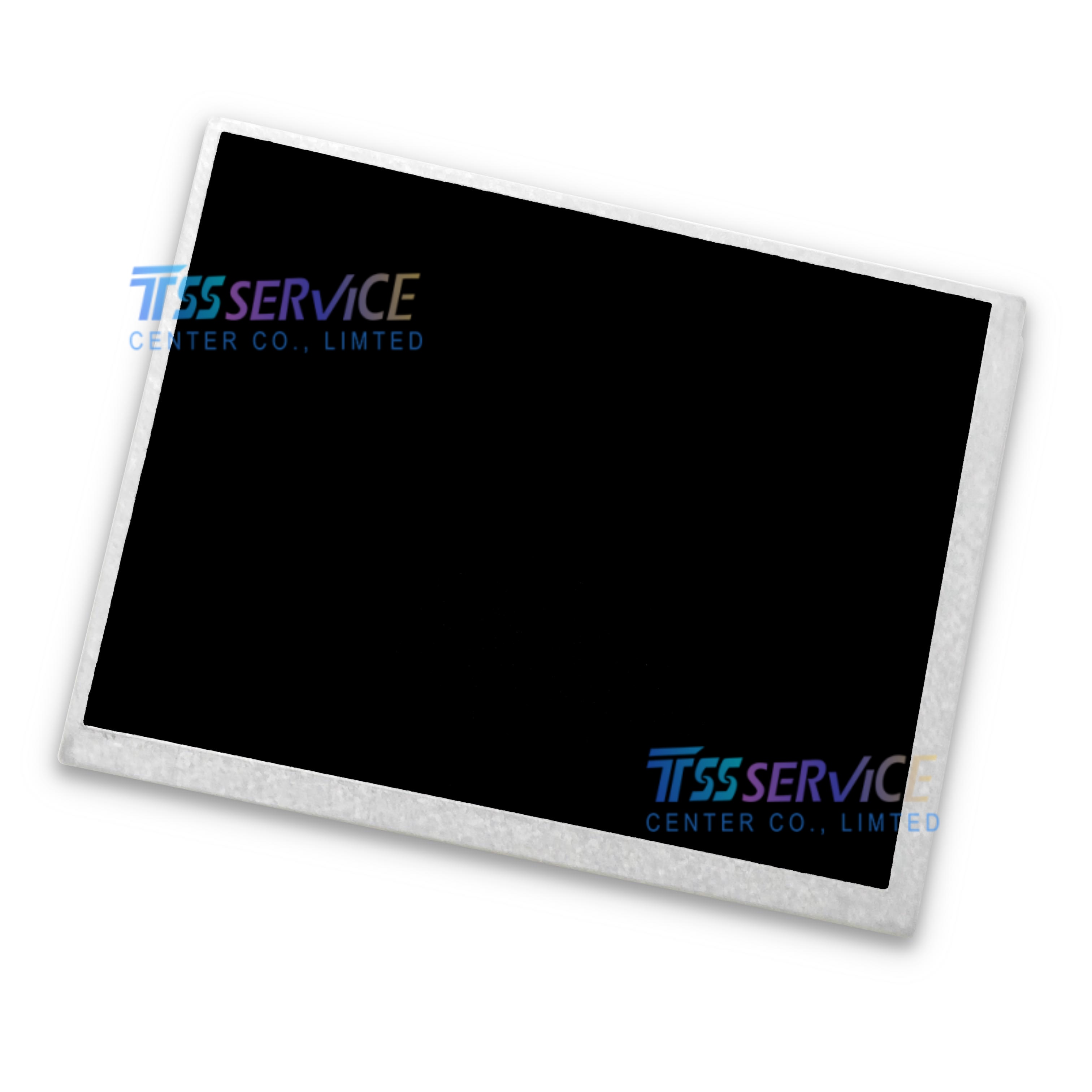
The Architecture of Resilience: Design and Technical Specifications
At first glance, a 320×240 (QVGA) resolution on a 5.7-inch diagonal screen may appear dated. However, this specification is a deliberate choice for industrial stability. The Mitsubishi AA057QD02 is engineered as a TFT (Thin-Film Transistor) active matrix LCD, a technology chosen for its excellent contrast and fast response times compared to passive matrix alternatives. The relatively low pixel density reduces the processing load on the host controller, ensuring that the display can be driven reliably by legacy and modern industrial MCUs alike without lag or flickering.
From a physical standpoint, the panel typically features an LVDS (Low-Voltage Differential Signaling) interface, a standard in industrial settings for its noise immunity over longer cable runs. It operates with a 6-bit color depth, capable of rendering 262,144 colors, which is sufficient for distinguishing critical status indicators, warning signals, and data readouts. The viewing angle is a crucial factor; this panel is designed for a wide viewing cone, often quoted at 70/70/50/70 degrees (left/right/up/down), to accommodate operators standing at various positions on a factory floor. Furthermore, its operating temperature range, typically from -20°C to +70°C, allows it to function in environments where consumer-grade screens would fail, from unheated warehouses to hot machinery enclosures.
Beyond the Spec Sheet: Operational Performance and Visibility
The true value of the Mitsubishi AA057QD02 is revealed not in its datasheet, but in its operational behavior under real-world stress. In an industrial context, glare and ambient light are the enemies of visibility. This panel is frequently implemented with a specific surface treatment—typically anti-glare (AG) coating—which diffuses direct light reflections. This prevents a work light or a sunlit window from washing out the screen, which is a critical safety feature when an operator relies on a single gauge reading.
Luminance, or brightness, is another domain where this panel excels. Standard industrial panels like this are rated for high brightness, often around 400 to 600 cd/m². This is not merely for visual comfort; it is necessary to overcome the high ambient light levels found in factories and outdoor kiosks. Unlike consumer devices that auto-dim to save battery, industrial panels maintain consistent brightness to ensure readability. The contrast ratio, typically around 500:1 to 800:1, ensures that monochrome text and simple graphics remain sharp. The panel also employs a durable backlight system, often using CCFL or long-life LED arrays, designed for tens of thousands of hours of continuous operation, minimizing downtime for maintenance.
System Integration and Industry Applications
The 5.7-inch form factor of the Mitsubishi AA057QD02 occupies a strategic sweet spot in equipment design. It is large enough to display a comprehensive production dashboard or a PLC control interface, yet compact enough to fit into a standard 19-inch rack or a hand-held diagnostic tool. Its integration is standardized, utilizing known mechanical dimensions and mounting hole patterns, which allows engineers to design a chassis once and trust the supply chain.
In terms of applications, this panel is a ubiquitous component in several verticals:
-
CNC Machinery: Displaying tool path coordinates, spindle speed, and error codes. The 320x240 resolution is ideal for the simple, high-contrast fonts used in these interfaces.
-
Medical Monitoring: Used in patient monitors and portable diagnostic devices where reliability and readability are paramount, and high-definition graphics are unnecessary for vital sign waveforms.
-
Human-Machine Interfaces (HMIs): Serving as the touch screen surface for controlling conveyor systems, packaging lines, and chemical processing plants. The screen's durability ensures it can withstand constant finger taps and occasional impacts.
-
Building Automation: Functioning as a status panel for HVAC systems, access control, or elevator controls, where consistent operation 24/7 is required.
The compatibility with legacy systems is a key driver. Many factory controllers running on Windows Embedded or proprietary real-time operating systems have pre-existing drivers for QVGA displays, making the AA057QD02 a drop-in replacement for older, failing units.
Long-Term Strategic Value in the Supply Chain
For procurement managers and system integrators, the choice of the Mitsubishi AA057QD02 is a long-term strategic decision. One of the most underappreciated aspects of industrial electronics is longevity of supply. While consumer panels cycle out of production within 18 months, Mitsubishi has historically supported industrial-grade panels for 5 to 10 years or more. This "product life-cycle support" is invaluable. Using a panel with planned obsolescence would force a costly redesign of the entire machine housing and electrical system every few years.
Furthermore, the QVGA standard creates a level of backward compatibility that is rare in electronics. A machine built in 2005 can still use a newly manufactured AA057QD02 panel today without requiring any software or driver changes. This reduces the total cost of ownership (TCO) significantly. The panel's robust construction also means a lower failure rate, reducing warranty claims and service calls. For industries operating in remote locations or hazardous environments, the ability to source a reliable, proven replacement part is not just a convenience; it is a logistical necessity that prevents costly production stoppages.
Conclusion
The Mitsubishi AA057QD02 5.7-inch LCD panel is a masterclass in purposeful engineering, proving that technological advancement is not always about higher pixel counts but about superior reliability and contextual fit. Its value lies in its robust interface, wide operating temperature range, and sustained availability, making it the silent, trusted workhorse of the industrial sector. For engineers seeking to build or maintain equipment that must operate flawlessly for a decade or more, this panel represents a safe, documented, and highly functional choice. In a world obsessed with the latest, the AA057QD02 reminds us that the most effective technology is often the one you can forget about because it never fails.


