In the demanding landscape of industrial automation, medical imaging, and heavy machinery, the display is far more than a peripheral—it is the primary interface between human operators and complex systems.
In the demanding landscape of industrial automation, medical imaging, and heavy machinery, the display is far more than a peripheral—it is the primary interface between human operators and complex systems. The Mitsubishi AA121SL13 12.1-inch LCD panel represents a specific class of engineered solutions designed to survive where consumer-grade screens fail. This article explores the core technical architecture, operational philosophy, and long-term value of this industrial panel. Unlike standard monitors optimized for bright retail spaces or quiet offices, the AA121SL13 is built for continuous duty cycles, high ambient light conditions, and sustained thermal stress. We will dissect its robustness from a systems integration perspective, examining not just its specifications, but the engineering trade-offs that make it a reliable choice for mission-critical applications. For engineers and procurement specialists, understanding this panel means understanding the difference between a display that works and a display that performs under uncompromising conditions.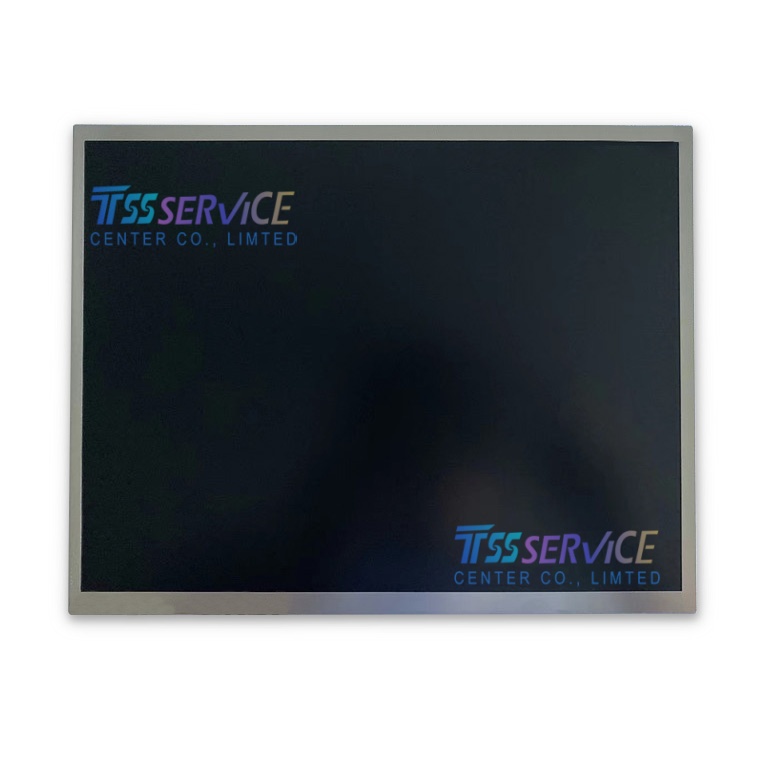
The Engineering Behind the 12.1-Inch XGA Canvas
At the heart of the Mitsubishi AA121SL13 is a 12.1-inch diagonal TFT LCD panel with an XGA resolution of 1024 x 768 pixels. While this resolution may appear modest compared to modern handheld devices, it is a deliberate choice for industrial ergonomics. This aspect ratio (4:3) provides a near-square active area, which is optimal for displaying legacy PLC interfaces, multi-window SCADA dashboards, and machine status bars without stretching or letterboxing. The pixel density at this size achieves a sharp balance between readability at arm's length and sufficient screen real estate for complex data grids.
The panel employs Twisted Nematic (TN) technology, selected not for its color accuracy, but for its superior response time and low power consumption in continuous operation. With a typical brightness rating of 400 cd/m², the AA121SL13 is designed to cut through glare in factory floors or semi-outdoor kiosks. The contrast ratio of 600:1 ensures that text remains legible even when the backlight is dimmed for energy savings. Mitsubishi has engineered this panel to support an extended operating temperature range from -10°C to +60°C, a critical parameter for environments without climate control. The backlight system, typically CCFL in this generation, is rated for a long lifespan, reducing maintenance downtime in production lines where every minute of outage translates to significant cost.
Optical Performance and Visibility Under Industrial Stress
The optical characteristics of the AA121SL13 are not merely numbers on a datasheet; they are the result of rigorous testing against environmental interference. A key strength of this panel is its wide viewing angle of 80 degrees in each direction (left, right, up, down). In a control room, operators often view the screen from oblique angles while standing or moving along a console. The TN panel's ability to maintain image integrity without severe color inversion is essential for safety-critical readings.
Surface treatment plays an equally vital role. The panel features an anti-glare (AG) coating with a haze value of approximately 25%. This diffuses ambient light from overhead industrial lighting or direct sunlight, preventing hotspots that can obscure alarm indicators or numerical readouts. For applications requiring direct sunlight readability, the AA121SL13's 400 cd/m² brightness, combined with its low-reflectivity surface, provides a clear advantage over glossy consumer panels that become unusable in bright conditions. Furthermore, the panel supports 6-bit color depth with Hi-FRC (Frame Rate Control), rendering up to 262,144 colors. While limited in color gamut, this is sufficient for differentiating status indicators (red for alarm, green for running, yellow for standby) without the processing overhead of 8-bit engines. This focus on functional clarity over aesthetic vibrancy is a hallmark of industrial display design.
Interface, Compatibility, and Power Integrity
Integration into existing industrial systems requires more than just good optics; it demands electrical compatibility. The Mitsubishi AA121SL13 utilizes a standard LVDS (Low-Voltage Differential Signaling) interface with a 20-pin connector. LVDS is the backbone of industrial display communication due to its inherent resistance to electromagnetic interference (EMI)—a common problem in environments with motors, inverters, and welding equipment. The panel operates on a single 3.3V power supply for the logic section, with a separate supply for the backlight inverter, allowing for modular power management.
From a signal perspective, the panel accepts a standard RGB signal format, making it compatible with a wide array of single-board computers (SBCs), embedded controllers, and video processors used in industrial automation. The absence of proprietary handshaking protocols means the AA121SL13 can be a drop-in replacement for other 12.1-inch XGA panels, provided the pin mapping is verified. This interchangeability is a critical factor for long-term maintenance contracts, as OEMs and system integrators can avoid expensive custom cabling. Additionally, the panel's power circuitry is designed with low inrush current to prevent brownouts on shared power buses, a subtle but vital engineering detail that enhances overall system stability in multi-device racks.
Lifecycle Management and Total Cost of Ownership
One of the most underappreciated aspects of the AA121SL13 is its product longevity and lifecycle management. Mitsubishi Electric, as a Tier-1 industrial component manufacturer, typically supports its display products for five to seven years or more before end-of-life (EOL) notices are issued. This contrasts sharply with the 12-18 month availability of consumer-grade panels. For industries such as pharmaceutical manufacturing or transportation, where equipment must remain validated and operational for a decade, this long-term availability is a financial necessity.
The panel's Mean Time Between Failures (MTBF) is typically rated above 50,000 hours at 25°C ambient temperature, translating to roughly 5.7 years of continuous 24/7 operation. When factoring in the cost of unscheduled downtime, replacement labor, and potential production loss, the slightly higher initial component cost is easily justified. Furthermore, Mitsubishi provides detailed mechanical drawings, optical specifications, and environmental compliance certifications (RoHS, REACH) that are essential for CE and UL listing of end-user equipment. This documentation reduces engineering risk during design-in and subsequent regulatory audits. For a procurement manager, choosing the AA121SL13 is a decision to reduce supply chain volatility and avoid mid-project redesigns due to component discontinuations.
The Mitsubishi AA121SL13 12.1-inch LCD panel is a testament to the principle that industrial components succeed not through flashy specifications, but through reliability, longevity, and integration ease. From its deliberate 1024x768 resolution and rugged anti-glare surface to its LVDS interface and extended lifecycle support, every design decision prioritizes operational uptime and system compatibility. It is not a panel for a consumer product, but a precision tool for engineers who demand that their displays remain invisible in function—present only when they fail. For any application where a display must endure vibration, temperature extremes, and relentless duty cycles, the AA121SL13 delivers the proven performance required for critical industrial systems. Choosing this panel is an investment in operational stability, reducing both technical risk and total cost of ownership over the long term.


