n the intricate world of industrial automation, medical equipment, and specialized human-machine interfaces (HMI), the display panel is far more than a simple window to data—it is the critical touchpoint of interaction, reliability, and clarity. This article delves into the AT070MJ11, a 7.0-inch TFT LCD display panel designed as a replacement for Mitsubishi systems.
In the intricate world of industrial automation, medical equipment, and specialized human-machine interfaces (HMI), the display panel is far more than a simple window to data—it is the critical touchpoint of interaction, reliability, and clarity. This article delves into the AT070MJ11, a 7.0-inch TFT LCD display panel designed as a replacement for Mitsubishi systems. We will move beyond basic specifications to explore its technical DNA, the specific application ecosystems it serves, and the tangible value it delivers to engineers, integrators, and maintenance specialists.
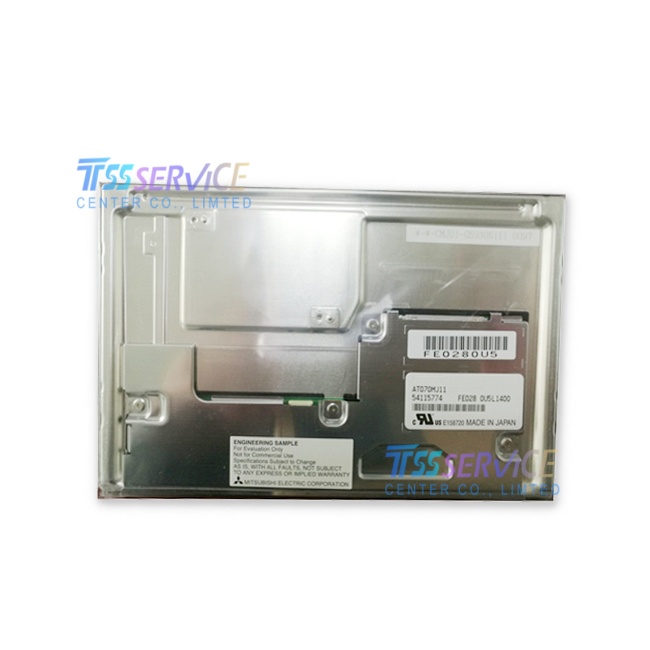
Understanding this component is not merely about finding a compatible screen; it's about ensuring system integrity, performance continuity, and optimal user experience in demanding environments.
Decoding the AT070MJ11: Technical Architecture and Core Specifications
At its heart, the AT070MJ11 is a meticulously engineered 7.0-inch diagonal TFT-LCD module with a resolution of 800 x 480 pixels (WVGA). This aspect ratio and resolution were historically prevalent in industrial contexts, offering a balanced canvas for control interfaces without excessive graphical overhead. The panel utilizes a transmissive display technology with an integrated CCFL backlight, a hallmark of its era and a key identifier for compatibility.
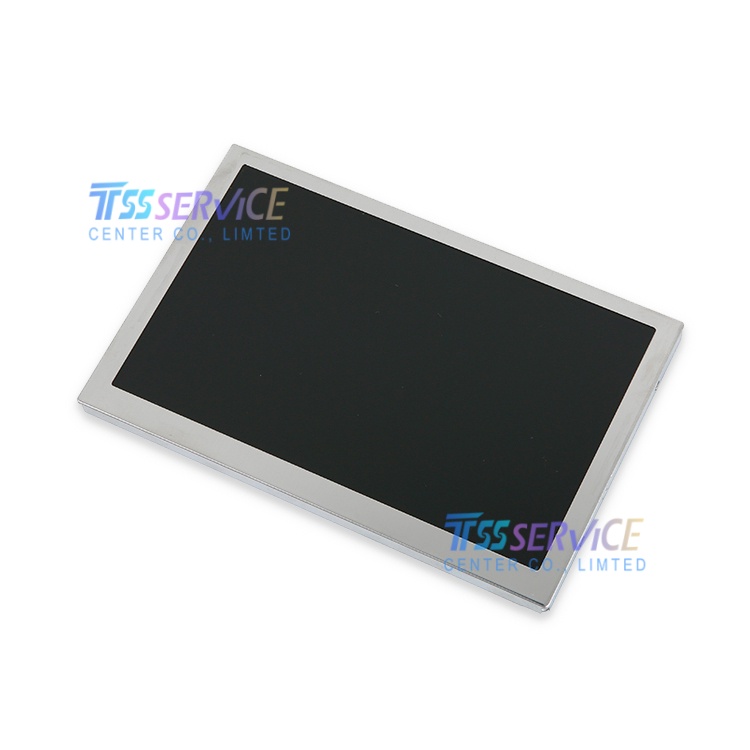
Its interface is the defining characteristic: a standard LVDS (Low-Voltage Differential Signaling) channel. This robust, noise-resistant digital interface is crucial for maintaining signal integrity over distances within machinery, preventing the data corruption that can plague simpler interfaces. Key performance parameters include a brightness level suitable for indoor industrial settings, specific contrast ratios for readability, and a color depth that supports clear differentiation of status indicators and graphical elements. The mechanical footprint, mounting hole patterns, and connector type (typically a 20-pin or 30-pin single-channel LVDS) are precisely designed to be a form-fit-function replacement for original Mitsubishi panels, ensuring drop-in compatibility.
The Ecosystem of Application: Where and Why This Panel Excels
The AT070MJ11 is not a consumer-grade tablet screen; its value is unlocked within specific, often mission-critical, verticals. Its primary domain is industrial automation and control systems. It is commonly found as the display core in Mitsubishi-branded and compatible HMIs, PLC operator terminals, and factory floor monitoring stations. Here, its reliability and stable performance under continuous operation are paramount.
Beyond the factory, this panel serves in medical monitoring devices (where consistent, clear patient data presentation is vital) and specialized transportation and instrumentation panels. The common thread across all these applications is an environment that demands durability, long-term availability of parts, and resistance to electromagnetic interference—all strengths addressed by the panel's LVDS interface and industrial-grade construction. Choosing the AT070MJ11 is often about maintaining or repairing existing, high-value capital equipment where a display failure should not necessitate a full system overhaul.
Beyond Compatibility: The Critical Role of Signal Integrity and Longevity
For system integrators, the choice of a display panel extends beyond physical dimensions and connector pinouts. The signal chain integrity is a paramount concern. The AT070MJ11's LVDS interface plays a starring role here. Unlike older TTL or modern consumer-centric interfaces like HDMI, LVDS uses differential data transmission. This method inherently rejects common-mode noise, which is ubiquitous in environments with motors, relays, and high-power equipment.
Furthermore, the longevity and supply chain for such specialized components are critical. Industrial and medical systems have lifespans measured in decades. The availability of a true replacement like the AT070MJ11 prevents costly system obsolescence. Its design, often involving higher-grade components rated for extended temperature ranges and longer operational hours, directly translates to lower total cost of ownership through reduced downtime and maintenance cycles over the life of the host equipment.
Integration Considerations and Future-Proofing Strategies
Successfully integrating or replacing an AT070MJ11 panel requires a nuanced approach. First, verification against the exact host controller is essential. While electrically standardized, confirming the LVDS pin mapping, backlight inverter requirements (voltage and frequency for the CCFL), and power sequencing is a non-negotiable step to avoid damage. Second, consider the aging ecosystem. As CCFL backlight technology phases out in favor of LED, understanding the backlight's expected lifespan and planning for eventual maintenance is prudent.
For forward-looking projects, this raises a strategic question: while the AT070MJ11 is perfect for like-for-like replacement, new designs might consider modern LED-backlit alternatives for improved power efficiency and longevity. However, for sustaining existing infrastructure, the AT070MJ11 remains the optimal choice. Sourcing from reputable suppliers who provide technical support and guarantee authentic, high-quality modules is the final, crucial step in a successful integration.
The AT070MJ11 7.0-inch display panel exemplifies the critical importance of specialized components in industrial and professional electronics. It is far more than a screen; it is a engineered solution for signal integrity, long-term reliability, and seamless compatibility within Mitsubishi-centric ecosystems. Its value lies in enabling the maintenance and longevity of high-value systems, ensuring clear human-machine communication in environments where failure is not an option. For engineers and procurement specialists, selecting this panel represents a strategic decision for operational continuity, underscoring the principle that the right component preserves the integrity of the entire system.


