In the demanding world of industrial automation, medical instrumentation, and process control, the display interface is far more than a simple window to data—it is a critical component of system reliability, longevity, and user interaction. Not every screen is built to withstand the rigors of 24/7 operation, extreme temperatures, or constant mechanical stress.
In the demanding world of industrial automation, medical instrumentation, and process control, the display interface is far more than a simple window to data—it is a critical component of system reliability, longevity, and user interaction. Not every screen is built to withstand the rigors of 24/7 operation, extreme temperatures, or constant mechanical stress. This brings us to the specialized realm of industrial-grade TFT-LCD panels, where components like the Mitsubishi AA104XA01 are engineered to excel.
This article provides a deep-dive analysis of the Mitsubishi AA104XA01 10.4-inch display panel. We will move beyond basic specifications to explore the engineering philosophy behind its design, the specific industrial challenges it addresses, its key technological features, and the practical considerations for integration. Our goal is to offer engineers, system integrators, and procurement specialists a comprehensive understanding of why this panel is a benchmark for reliability in harsh environments.
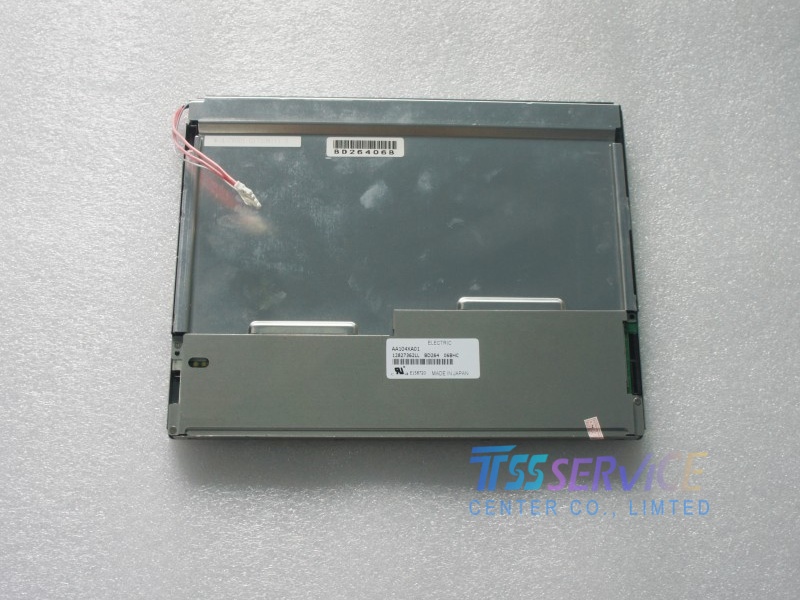
Engineering for Endurance: The Industrial-Grade Paradigm
At first glance, the AA104XA01's specifications—a 10.4-inch diagonal, 1024x768 (XGA) resolution, and a-Si TFT technology—might seem standard. However, the true value lies in the parameters not typically listed on consumer datasheets. This panel is conceived from the ground up for industrial duty cycles. Unlike commercial screens designed for a few hours of daily use, this module is built for continuous operation, often in environments with wide temperature fluctuations, high humidity, or significant vibration.
The core philosophy is predictability and stability. Industrial systems require components with long-term availability to support decade-long product lifecycles. Mitsubishi's reputation in this sector is built on providing such stable supply chains. Furthermore, the panel's mechanical and electrical interfaces are designed for direct integration into larger systems, emphasizing robustness over the slim, disposable form factors of consumer electronics. This foundational industrial mindset ensures the display acts as a dependable, long-term asset rather than a potential point of failure.
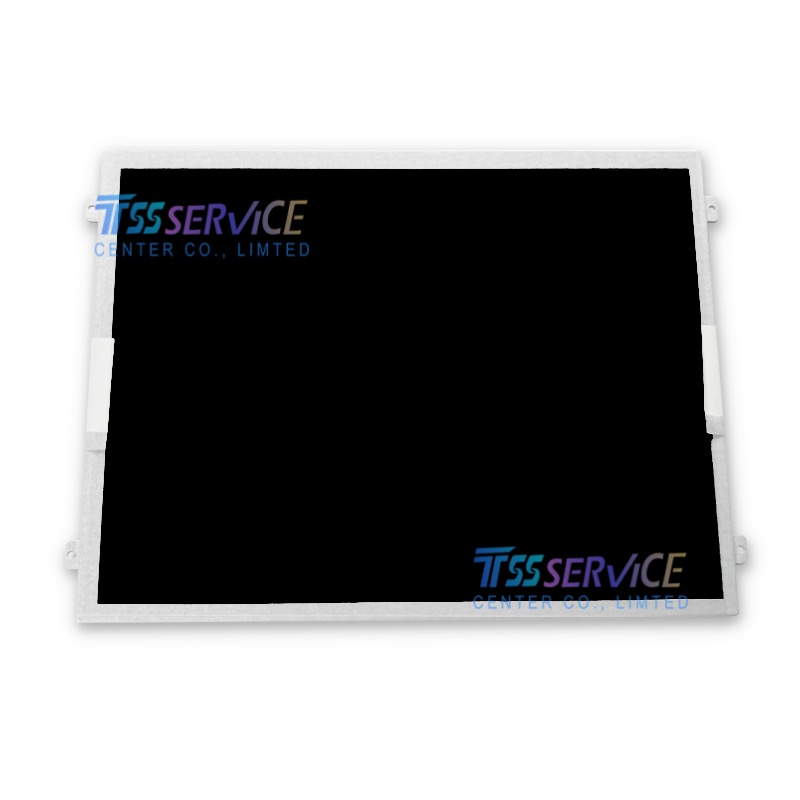
Decoding the Specifications: Features That Matter in the Field
Delving into the AA104XA01's features reveals a suite of optimizations for challenging conditions. The 500 cd/m² high brightness is crucial for readability in brightly lit factories or under outdoor ambient light, a scenario where standard 250-300 cd/m² panels would wash out. Coupled with a wide operating temperature range (typically from -30°C to +80°C for the panel itself), it guarantees performance from freezing cold warehouses to hot manufacturing floors.
The 10.4-inch XGA format offers a balanced sweet spot: sufficient resolution for detailed schematics, diagnostic data, and user interface elements without imposing excessive processing load on embedded systems. The a-Si (amorphous Silicon) TFT process is a mature, highly reliable technology perfect for this performance envelope. Additionally, the panel features a robust metal frame for structural integrity and effective heat dissipation, and often incorporates hard-coated or anti-glare surface treatments to resist scratching and diffuse ambient light, reducing operator eye strain during prolonged use.
Strategic Applications: Where the AA104XA01 Excels
The specific characteristics of this panel make it an ideal candidate for several critical industrial and professional sectors. In Factory Automation and HMI, it serves as the primary interface for PLC systems, controlling machinery and monitoring production lines, where its brightness and durability are paramount. Within Medical Equipment, its reliability and stable performance are essential for diagnostic devices, patient monitors, and surgical tools, where display failure is not an option.
It is also widely used in Transportation and Infrastructure for vehicle control panels, railway information displays, and utility substation monitors, environments subject to constant vibration and temperature swings. Finally, in Test and Measurement equipment, the clear, consistent display of complex waveforms and numerical data is critical. In each case, the panel is chosen not for its novelty, but for its proven ability to perform a demanding job without interruption for years on end.
Integration and Sourcing: Key Considerations for Implementation
Successfully deploying the AA104XA01 requires more than just soldering connectors. Engineers must consider the complete ecosystem of support. This includes compatible controllers (LVDS interface is standard), a reliable power supply design that filters electrical noise common in industrial settings, and careful thermal management within the end-product enclosure. Sourcing is a major strategic decision. While the panel may be available through various distributors, partnering with a specialist supplier is advisable.
A qualified supplier provides more than the component; they offer technical documentation, lifecycle management forecasts, and compatibility guidance. They can inform you of potential form-fit-function equivalents or upcoming end-of-life notices, which is vital for long-term product planning. Ensuring you have a trustworthy supply chain is as important as the electrical integration, safeguarding your production line against unexpected component obsolescence.
The Mitsubishi AA104XA01 exemplifies the principle that in industrial design, the right component is defined by its reliability under stress, not just its on-paper specs. It represents a convergence of high-brightness visibility, extreme environmental tolerance, and rugged construction tailored for mission-critical applications. For system designers, selecting this panel is a decision that prioritizes long-term operational integrity and reduces total cost of ownership by minimizing downtime and replacement needs. Ultimately, in the interface between complex machinery and human operators, the AA104XA01 stands as a testament to engineered resilience, ensuring clarity and control where it matters most.


