In the demanding landscape of industrial automation, medical instrumentation, and embedded control systems, the display is not merely a peripheral—it is the critical interface between human operators and complex machinery. Among the myriad of display solutions available
In the demanding landscape of industrial automation, medical instrumentation, and embedded control systems, the display is not merely a peripheral—it is the critical interface between human operators and complex machinery. Among the myriad of display solutions available, the N101ICG-L11 from Innolux has emerged as a reference-grade component. This 10.1-inch LCD panel, with its native resolution of 1280 × 800 pixels, represents a carefully engineered equilibrium between power efficiency, optical clarity, and rugged reliability. Unlike consumer-grade screens that prioritize vivid color saturation and thin profiles, industrial panels must withstand continuous operation, fluctuating ambient light, and stringent longevity requirements. This article dissects the N101ICG-L11 across four critical pillars: its technical architecture and resolution rationale, structural durability and thermal management, optical performance under variable lighting, and integration challenges in real-world industrial ecosystems. By moving beyond superficial specifications, we will explore why this specific model has become a benchmark for mid-sized industrial HMI applications.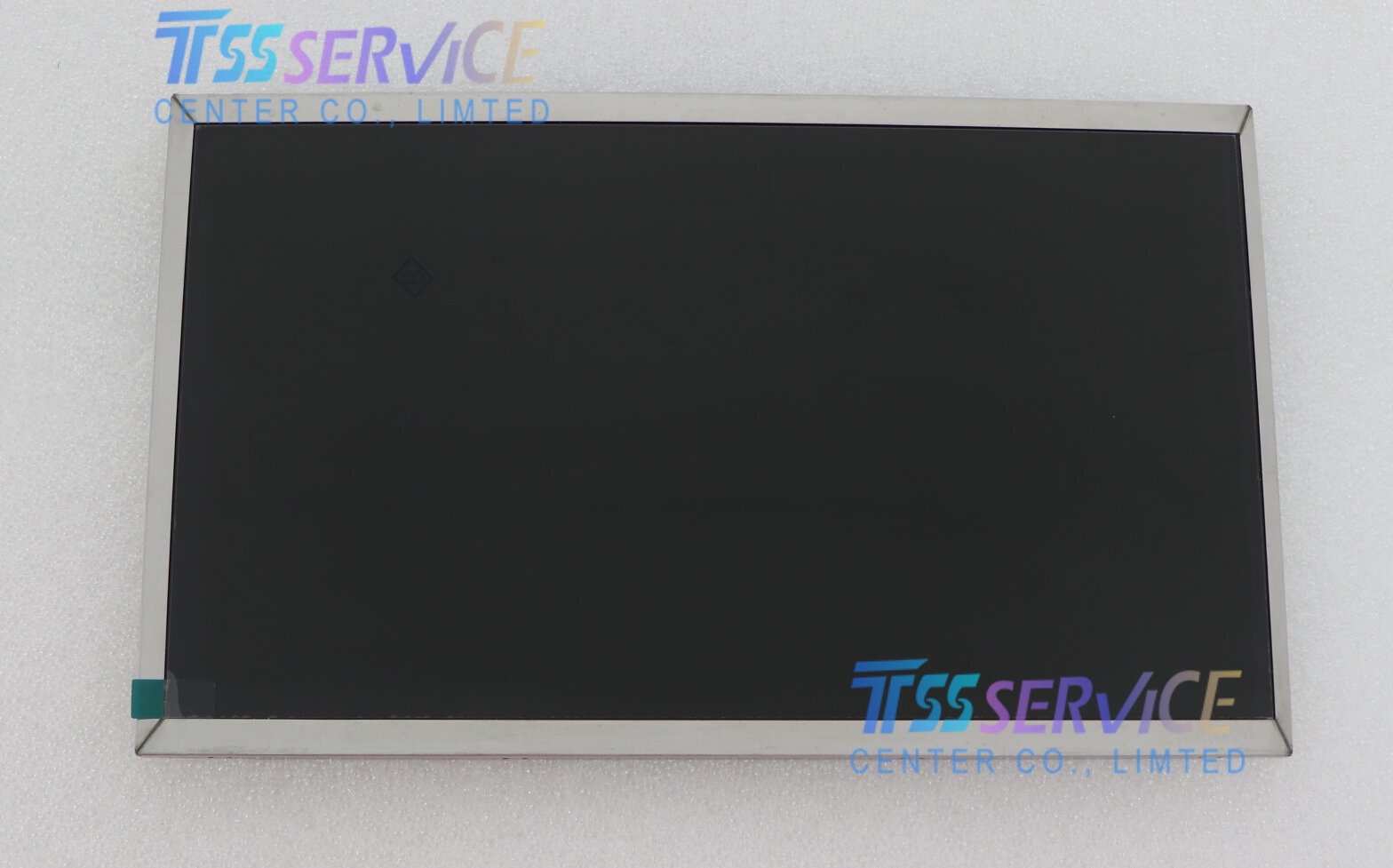
Decoding the 1280 × 800 Resolution: Why WXGA Matters for Industrial Contexts
The 1280 × 800 pixel resolution, often classified as WXGA (Wide Extended Graphics Array), occupies a strategic niche within the industrial display spectrum. To understand its relevance, one must consider the operational ergonomics of a 10.1-inch diagonal. At this size, a 16:10 aspect ratio offers a subtle but critical vertical advantage over the more common 16:9 format found in consumer tablets. This extra 80 lines of vertical real estate—approximately 10% more—allows engineers to display a PLC status bar, a secondary data grid, or a virtual keyboard without overlapping the primary machine control interface.
From a pixel density perspective (approximately 149 PPI), the N101ICG-L11 strikes a pragmatic balance: it provides sufficient sharpness for reading 8-point font text in complex SCADA diagrams while avoiding the unnecessary power draw and GPU overhead associated with 1080p or 2K panels. In industrial environments where a display may run 24/7 for five to seven years, every milliwatt of power conserved reduces heat generation and extends the lifespan of backlight LEDs. Furthermore, the standard LVDS interface of the N101ICG-L11 ensures compatibility with legacy industrial motherboards and ARM-based controllers that lack the high-speed serial interfaces required for newer, higher-resolution panels. This resolution is not a compromise; it is a deliberate choice optimized for information density and long-term system stability.
Mechanical Resilience and Thermal Architecture: Building for the Factory Floor
Transitioning from pixel theory to physical design, the N101ICG-L11 reveals its industrial DNA through its mechanical construction. Unlike consumer LCDs that often use flexible tape connections and adhesive bezels, this panel employs a robust mounting frame and robust connector locking mechanisms designed to withstand vibration levels typical of conveyor systems, robotic arms, and vehicle-mounted terminals. The operating temperature range, typically specified from -20°C to +70°C, is achieved not merely by component selection but by the thermal management of the backlight unit. The LED array is designed with a wider current derating curve, allowing consistent luminance even as internal chassis temperatures rise during prolonged summer shifts.
Another often-overlooked aspect is the mechanical tolerance of the glass substrate. The panel is engineered to minimize warping under humidity changes, a common failure point in non-industrial screens used near wash-down stations or high-humidity foundries. The anti-glare surface treatment (typically AG 25%) further protects against surface reflection without introducing the sparkle or haze that can obscure fine details. For integrators, the standard JAE FI-RE51S-HF connector pinout simplifies cable harness design, while the 2.6 mm typical panel thickness allows for slim yet rigid enclosure designs. This degree of mechanical foresight ensures that the display functions as a reliable subsystem, not a failure-prone consumable component.
Optical Performance: Mastering Brightness, Contrast, and Viewing Angles
Having established structural integrity, we now delve into the core optical metrics that define user experience in diverse environments. The N101ICG-L11 typically offers a brightness of 350 to 400 cd/m². This is significantly higher than a standard office monitor (200-250 cd/m²) but lower than ultra-bright outdoor panels. This sweet spot is intentional: it provides enough luminance to remain legible under bright factory lighting (500-1000 lux) without causing operator eye fatigue in darker control rooms. Critically, the panel utilizes an A-Si TFT active matrix with a contrast ratio often exceeding 800:1. This ensures that dark gray scale gradients are distinguishable, a necessity when reading alarm thresholds or subtle trend graphs on dark backgrounds.
The viewing angle of 80°/80°/80°/80° (CR≥10) is achieved through the Innolux proprietary Super IPS-like technology. This is not merely a spec sheet number; it has real-world consequences. For a large operator console where two operators might view the screen from 45-degree lateral angles, the color shift and brightness degradation must be minimal. Poor viewing angles can cause false reading of critical data—a red alert icon might appear orange if viewed off-axis. By maintaining color saturation and gamma consistency even at extreme angles, the N101ICG-L11 reduces the risk of misinterpretation. Additionally, the use of white LED backlights with a wide color gamut (typically 60-70% NTSC) ensures that safety colors (red for alarm, yellow for caution, green for normal) remain distinctly identifiable over the display's lifespan, even as LED output degrades.
System Integration and Power Optimization: From Datasheet to Deployment
The final logical step is understanding how this panel behaves in a working system. The N101ICG-L11 is designed for low-voltage differential signaling (LVDS) connectivity, which is the prevailing standard for industrial embedded boards from manufacturers like Advantech, Aaeon, and Kontron. This interface, operating at typically 3.3V, allows for long cable runs (up to 5 meters) with excellent noise immunity—a critical feature when the cable must pass near variable frequency drives or high-current motor cables. The panel's power consumption, typically under 8 watts for the entire module (including backlight), allows for passive cooling in many enclosures, eliminating fan noise and dust ingress points.
For the firmware engineer, the panel provides standard EDID (Extended Display Identification Data) data, enabling plug-and-play resolution detection. However, professional integrators should pay close attention to backlight driving methods. The N101ICG-L11 often supports both PWM and direct current dimming. PWM dimming, while efficient, can cause visible flicker at low brightness levels (e.g., 10% duty cycle) to sensitive operators. Direct current dimming, though slightly less efficient, eliminates this flicker entirely—a crucial consideration for medical or laboratory settings. To optimize for longevity, it is recommended to avoid running the backlight at 100% duty in benchtop environments; reducing to 80% can double the LED's functional lifetime (from 30,000 to potentially 50,000 hours). Properly integrating these electrical and firmware parameters transforms a good panel into a flawless system component.
Conclusion
The N101ICG-L11 from Innolux stands as a testament to the philosophy that industrial displays must be more than visually appealing—they must be resilient, thermally stable, and system-compatible. By balancing a practical 1280 × 800 WXGA resolution with robust LVDS interfacing, anti-glare optics, and a wide viewing angle, this panel addresses the core needs of factory automation, medical diagnostics, and digital signage in controlled environments. It is not the cheapest nor the highest-spec component on the market, but it is arguably one of the most thoroughly engineered options for applications demanding 24/7 reliability and consistent user interaction. For engineers seeking a proven, low-risk solution that minimizes integration surprises, the N101ICG-L11 remains a bedrock choice that prioritizes performance stability over flashy, short-lived features.


