In the intricate world of industrial and embedded systems, the display module is far more than a simple output window; it is the critical interface through which machines communicate with operators and the physical world. Selecting the right component demands a deep understanding of its technical DNA and its suitability for challenging environments. This article provides a comprehensive analysis of the NL8060BC31-17E, a 12.1-inch LCD module from NEC's esteemed legacy
In the intricate world of industrial and embedded systems, the display module is far more than a simple output window; it is the critical interface through which machines communicate with operators and the physical world. Selecting the right component demands a deep understanding of its technical DNA and its suitability for challenging environments. This article provides a comprehensive analysis of the NL8060BC31-17E, a 12.1-inch LCD module from NEC's esteemed legacy. We will move beyond basic datasheet specifications to explore the engineering rationale behind its design, its performance in real-world applications, and the unique value proposition it offers to designers of medical, industrial, and transportation equipment where reliability is non-negotiable.
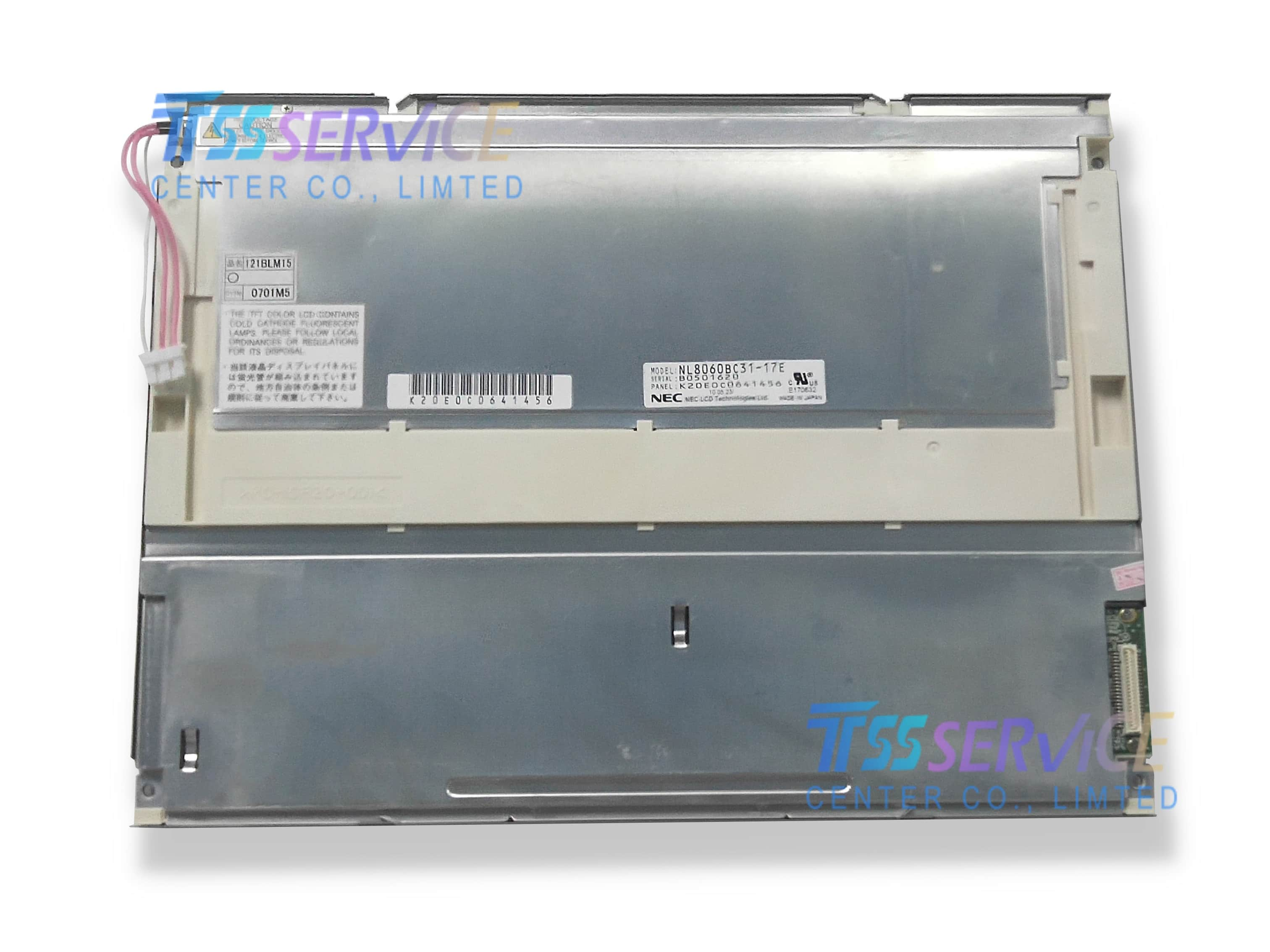
Engineering Excellence: Deconstructing the NL8060BC31-17E's Core Architecture
At its heart, the NL8060BC31-17E is built upon a high-performance amorphous silicon TFT (Thin-Film Transistor) LCD panel. Its 12.1-inch diagonal size, coupled with a standard XGA resolution of 1024 x 768 pixels, represents a proven sweet spot for human-machine interfaces (HMIs), offering ample screen real estate with sharp detail without excessive processing overhead. The module employs a CCFL (Cold Cathode Fluorescent Lamp) backlighting system, a technology renowned for its uniform brightness distribution and stable performance over a wide temperature range.
Key to its robustness is the integrated design. The module is a fully self-contained unit, incorporating the LCD panel, driver electronics, backlight inverter, and LVDS (Low-Voltage Differential Signaling) interface controller into a single, cohesive package. This integration minimizes external component count for system integrators and ensures signal integrity. The NL8060BC31-17E is engineered for longevity, with a typical backlight half-life of 50,000 hours, ensuring sustained performance in continuous-operation scenarios. This foundational architecture prioritizes stability and predictability, which are paramount in critical applications.
Performance in Demanding Environments: Ruggedness and Optical Clarity
The true test of a display module lies not on a lab bench, but in the field. The NL8060BC31-17E is specifically designed to pass this test. Its operational temperature range is a standout feature, typically spanning from -20°C to +70°C. This wide range allows deployment in unheated industrial warehouses, under the blistering sun in mobile equipment, or in controlled medical settings without risk of image lag or failure
.
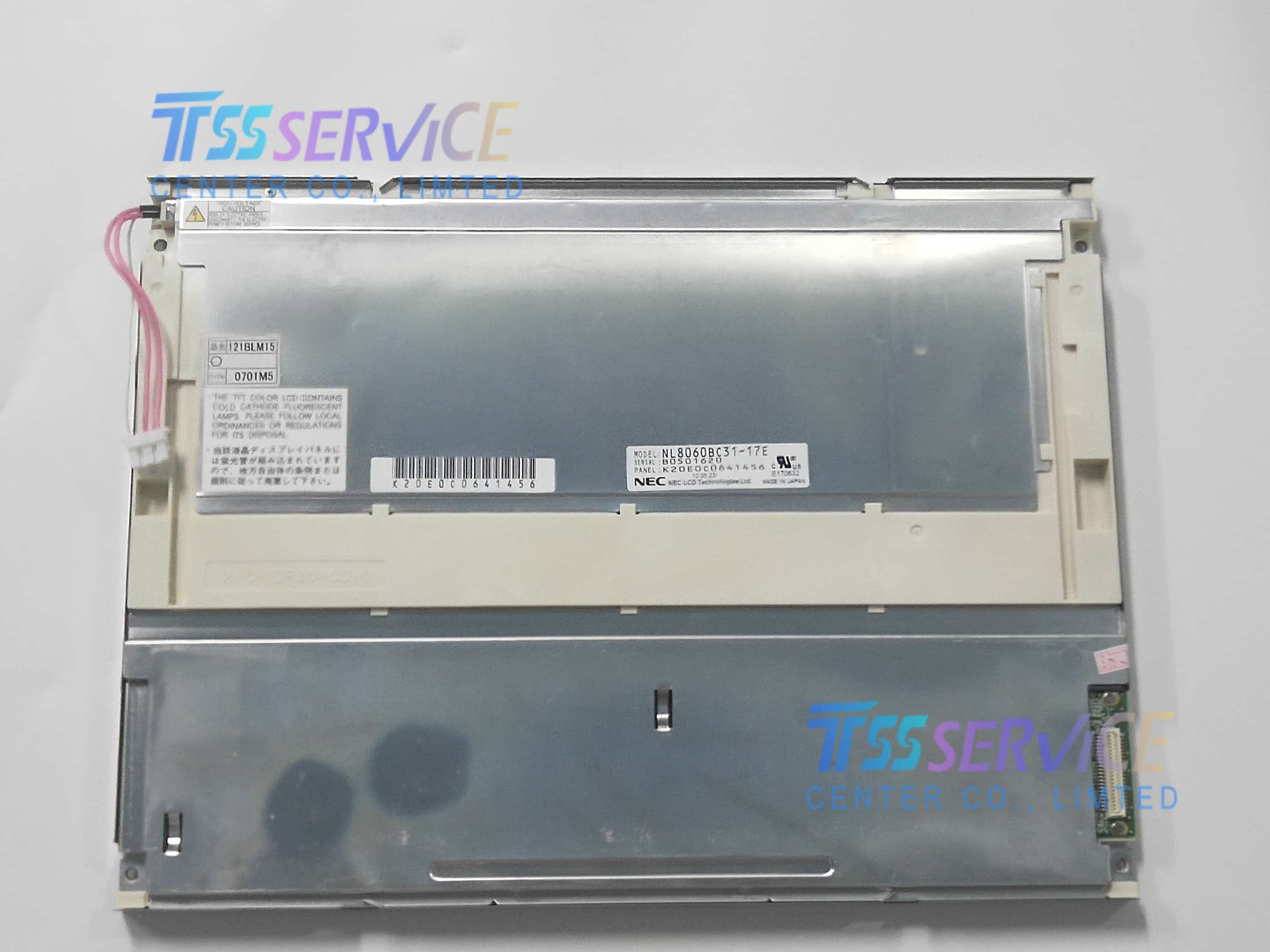
Optical performance is equally critical. The module delivers high brightness, typically around 450 nits, ensuring readability in brightly lit conditions. Furthermore, it offers a wide viewing angle of approximately 140 degrees horizontally and vertically, crucial for applications where the screen may be viewed from off-axis positions, such as in multi-operator stations or mounted in enclosures. The anti-glare treatment on the screen surface diffuses ambient light, reducing reflections and minimizing operator eye strain during prolonged use. This combination of environmental ruggedness and superior optics makes it a reliable visual conduit in virtually any setting
.
Strategic Integration: Interface, Power, and Design Considerations
Integrating a display module into a larger system is a strategic exercise. The NL8060BC31-17E simplifies this process through its use of a standard LVDS interface. This digital signaling standard is resistant to noise, allows for longer cable runs between the module and the host controller, and is widely supported by embedded GPUs and single-board computers, providing designers with flexibility in their processing platform choice.
Power design is straightforward, with separate supply inputs for the logic board and the CCFL backlight. This separation offers control advantages, such as the ability to dim the backlight via PWM (Pulse-Width Modulation) to save power or adjust for ambient light. From a mechanical standpoint, designers must account for the module's footprint, mounting hole patterns, and bezel design to ensure a secure fit within the end product's housing. Proactive consideration of these integration factors—electrical, signal, and mechanical—prevents costly redesigns and accelerates time-to-market.
The Competitive Landscape: Legacy Reliability in a Modern World
In an era increasingly dominated by LED-backlit and modern TFT displays, the NL8060BC31-17E occupies a distinct niche. Its value is not in being the newest, but in being proven. For maintenance, refurbishment, or long-lifecycle new designs, this module offers something invaluable: certainty. It is a mature, stable product with a known performance profile and a long history in the field.
This makes it an ideal solution for:
-
Medical Device Refurbishment: Upgrading legacy diagnostic or monitoring equipment where a direct, reliable replacement is required for certification.
-
Industrial System Longevity: Supporting machinery with a 10-15 year lifecycle, where a change in display technology could necessitate costly requalification.
-
Transportation and Aerospace: Applications where component history and traceability are critical, and the wide temperature performance of CCFL remains advantageous.
Its competitive edge is risk mitigation, providing a dependable, no-surprises component for mission-critical systems.
The NEC NL8060BC31-17E 12.1" LCD module exemplifies the principle that in specialized industrial design, proven reliability often outweighs mere novelty. Its robust architecture, exceptional environmental tolerance, and straightforward integration profile make it a strategically sound choice for engineers tasked with building or sustaining systems that cannot afford to fail. While newer technologies offer different advantages, this module's enduring value lies in its predictable performance and its critical role in extending the service life of essential equipment across medical, industrial, and transportation sectors. For the discerning designer, it remains a benchmark of dependable display technology.


