In the intricate world of industrial and embedded systems, the display interface is far more than a simple window for information; it is the critical touchpoint of human-machine interaction, demanding unwavering reliability, clarity, and adaptability. Selecting the right component is paramount, as it directly impacts usability, durability, and the overall success of the end product. This article provides a deep-dive analysis of one such pivotal component: the NL8060BC31-09, a 12.1-inch TFT displ
In the intricate world of industrial and embedded systems, the display interface is far more than a simple window for information; it is the critical touchpoint of human-machine interaction, demanding unwavering reliability, clarity, and adaptability. Selecting the right component is paramount, as it directly impacts usability, durability, and the overall success of the end product. This article provides a deep-dive analysis of one such pivotal component: the NL8060BC31-09, a 12.1-inch TFT display module from NEC.
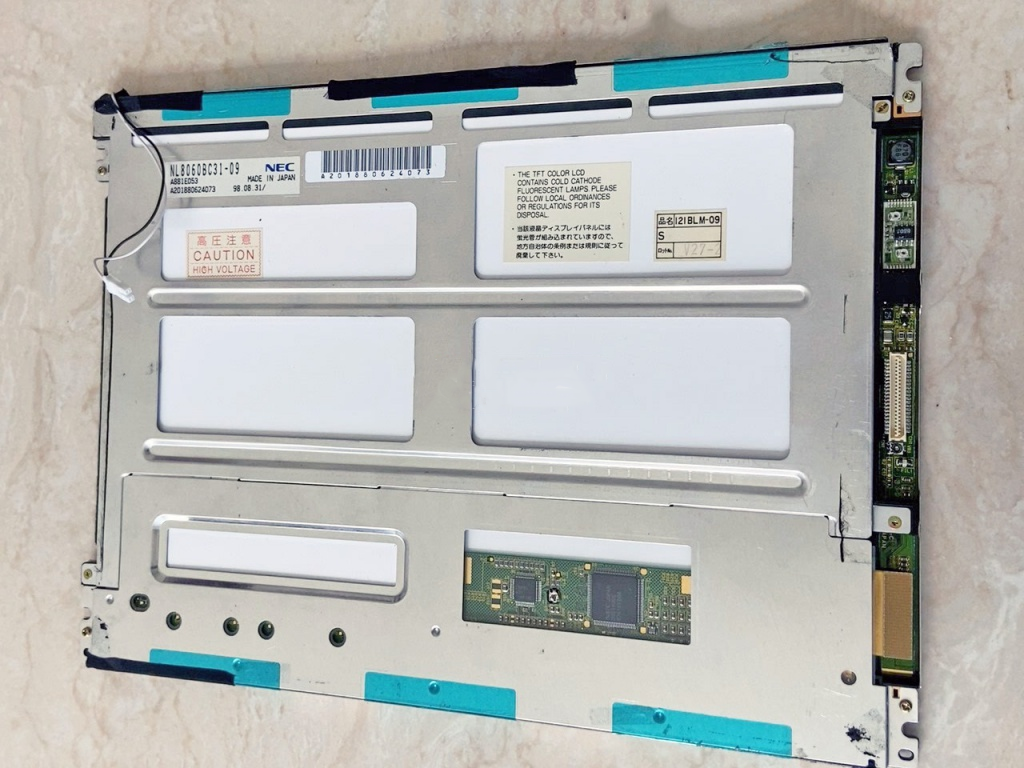
Our exploration will move beyond basic datasheet specifications to examine the real-world implications of its 800x600 SVGA resolution, 41-pin LVDS interface, and robust mechanical design. We will dissect its core technological advantages, map its ideal application landscapes, and provide crucial integration insights for engineers and procurement specialists. The goal is to furnish a comprehensive understanding of where and why this specific display module excels, empowering you to make an informed decision for your most demanding projects.Decoding the Core Specifications: A Foundation of Clarity and Reliability
At the heart of the NL8060BC31-09 lies a combination of specifications engineered for stability and longevity rather than consumer-grade flash. Its 12.1-inch diagonal active area with an 800 x 600 pixel (SVGA) resolution strikes a deliberate balance. This resolution provides ample pixel density for sharp text, clear graphics, and complex data visualization without imposing an excessive processing burden on the system's controller, a key consideration for embedded CPUs.
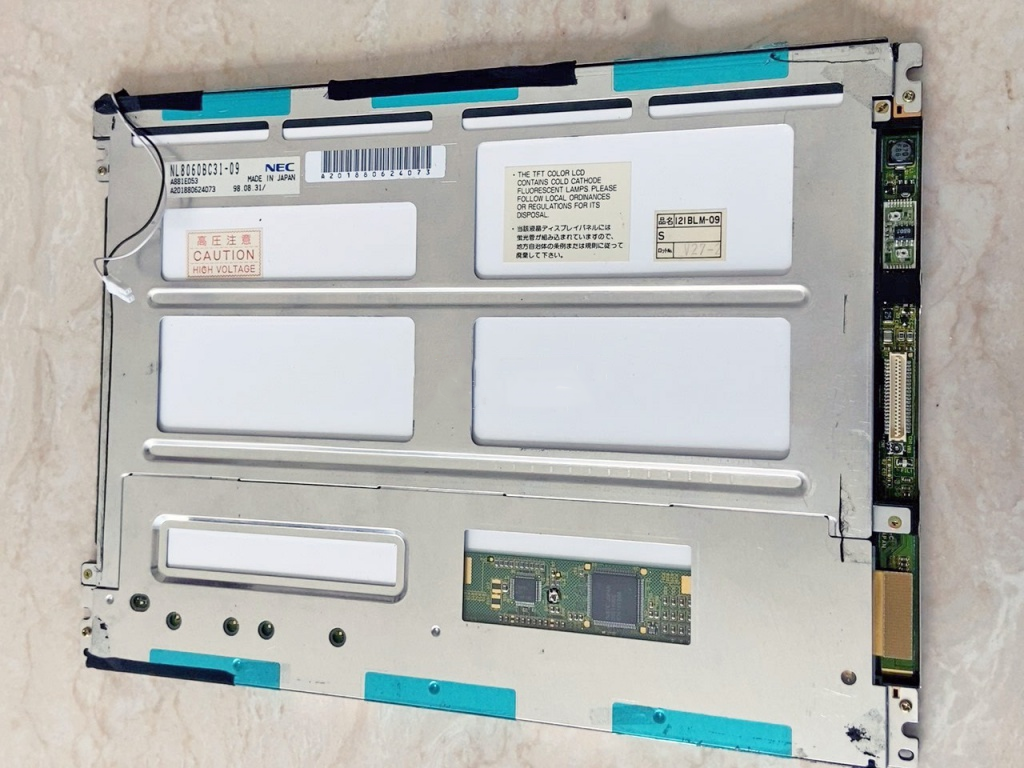
The module utilizes a high-performance CCFL backlight with a typical brightness of 300 cd/m², ensuring excellent viewability in various indoor lighting conditions. Crucially, the 41-pin interface is configured for Low-Voltage Differential Signaling (LVDS). This analog technology remains a workhorse in industrial environments due to its superior noise immunity, which minimizes signal degradation over longer cable runs and in electrically noisy settings common to factories, medical facilities, or transportation. This fundamental architecture establishes the display as a robust, predictable, and interference-resistant visual output solution.
The Industrial Design Philosophy: Built for Demanding Environments
The NL8060BC31-09's value proposition is cemented by its physical and operational design, which adheres to a strict industrial philosophy. The module features a sturdy metal frame that provides essential structural rigidity, protects the glass substrate from flex and stress, and facilitates secure mounting within an enclosure. Its operating temperature range, typically from -10°C to 70°C, underscores its capability to function in non-climate-controlled settings, from freezing warehouses to hot manufacturing floors.
Furthermore, the choice of CCFL backlighting, while less energy-efficient than modern LEDs, offers a distinct advantage: a very uniform light field across the entire screen and exceptional color consistency over a long lifespan. For applications where color fidelity and the absence of bright spots or dim corners are critical—such as in diagnostic medical imaging or precision control panels—this characteristic is highly valued. The design prioritizes long-term, stable performance under constant operation, reducing the total cost of ownership by minimizing premature failures.
Strategic Application Landscapes: Where This Display Excels
This display module is not designed for smartphones or consumer tablets. Its destiny lies in B2B and embedded verticals where performance trumps novelty. A primary domain is industrial automation and Human-Machine Interfaces (HMIs). On factory floors, it serves as the visual core for PLC control systems, machine operator panels, and SCADA monitoring stations, where its readability and resilience are key.
Another significant arena is medical equipment. Devices like patient monitors, diagnostic ultrasound systems, and laboratory analyzers benefit from its stable, flicker-free image and reliable performance, which are non-negotiable in clinical settings. Additionally, it finds a home in transportation and infrastructure (e.g., vehicle dashboard displays, information kiosks) and point-of-sale (POS) and retail systems that require all-day, every-day operation. In these contexts, the NL8060BC31-09 transitions from a commodity component to a critical contributor to system uptime and user trust.
Integration Considerations and Forward Compatibility
Successfully deploying this display requires careful integration planning. The 41-pin LVDS interface necessitates a compatible controller board or system-on-module (SoM) that can generate the correct LVDS signal protocol. Engineers must account for power sequencing for both the logic board and the CCFL inverter, as well as the physical design of the inverter itself within the end-product's housing.
From a sourcing and future-proofing perspective, it is vital to recognize this module as part of a mature product lineage. While exceptionally reliable, alternatives with LED backlights may offer lower power consumption and thinner profiles for new designs. Therefore, the selection process should involve a clear audit of environmental needs, supply chain availability, and potential form-fit-function replacements. Understanding these integration nuances ensures a smooth development process and avoids costly redesigns, allowing teams to fully leverage the display's proven strengths in their applications.
The NEC NL8060BC31-09 stands as a testament to engineered reliability in a display module. Its SVGA resolution, robust LVDS interface, and industrial-grade construction make it a purpose-built solution for harsh, demanding environments where failure is not an option. While newer technologies emerge, this module's proven track record in medical, industrial, and commercial applications secures its relevance. For system designers prioritizing longevity, signal integrity, and consistent performance over cutting-edge specs, the NL8060BC31-09 remains a strategically sound and trustworthy choice that forms a solid foundation for critical human-machine interfaces.


