In the high-stakes, visually demanding world of film and television, a quiet revolution is reshaping how stories are told. The convergence of virtual production and extended reality (XR) stages has dissolved the line between physical set and digital environment, empowering creators with unprecedented creative freedom. At the heart of this transformative workflow lies a critical, yet often overlooked, component: the display technology that makes the illusion believable
In the high-stakes, visually demanding world of film and television, a quiet revolution is reshaping how stories are told. The convergence of virtual production and extended reality (XR) stages has dissolved the line between physical set and digital environment, empowering creators with unprecedented creative freedom. At the heart of this transformative workflow lies a critical, yet often overlooked, component: the display technology that makes the illusion believable. This article delves into how NEC Displays are becoming an indispensable force in this new era, moving beyond mere hardware to provide the visual foundation that unlocks the full potential of XR stages. We will explore the specific technological pillars and collaborative partnerships that position NEC not just as a vendor, but as a key enabler for studios and production houses seeking to push the boundaries of visual storytelling.
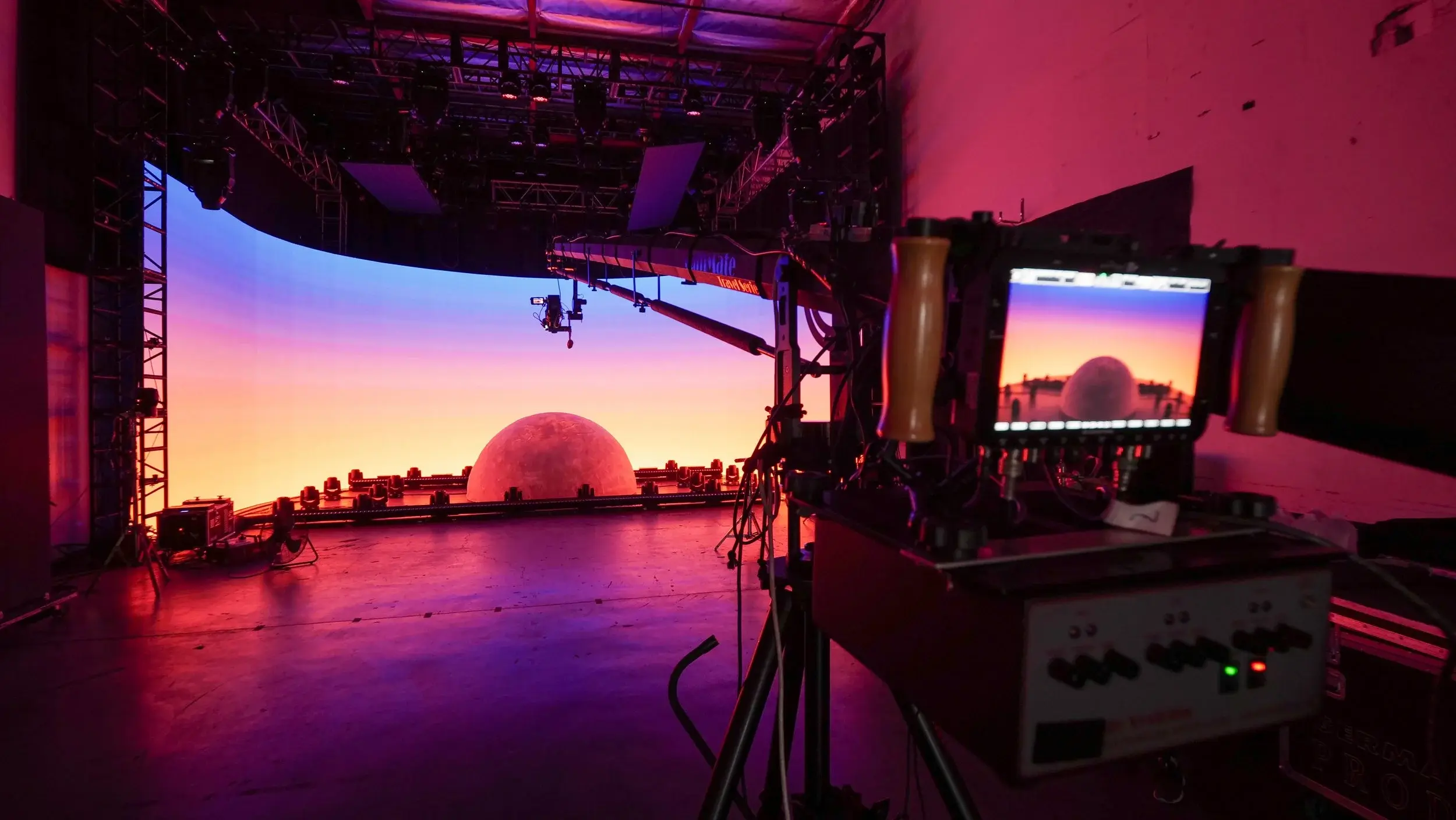
The Canvas of Illusion: Why Display Fidelity is Paramount in XR
This is where the specific demands of virtual production come into sharp focus. Displays must maintain extreme color accuracy and grayscale uniformity across vast expanses to ensure that a panning shot doesn't reveal shifts in color temperature. They must handle the high dynamic range (HDR) required for cinematic content, delivering deep blacks and brilliant highlights simultaneously. Furthermore, they must do this while operating for long hours under the hot lights of a soundstage, demanding exceptional reliability and thermal management. It is a set of challenges that generic commercial displays cannot meet, creating a specialized niche that NEC Displays has strategically addressed.
Precision Engineered for Production: NEC's Technological Pillars
NEC's approach is built on core technological pillars designed explicitly for the rigor of virtual production. First is unmatched color consistency and calibration. NEC displays feature sophisticated internal sensors and proprietary calibration software (like SpectraView) that allow for continuous, automated color management. This ensures that every panel in a vast video wall displays the exact same color, frame after frame, shoot after shoot, which is non-negotiable for visual effects (VFX) integration.
Second is superior uniformity and low optical diffusion. NEC's engineering minimizes the "screen door effect" and ensures even backlighting across the entire display surface. This is critical for avoiding "hot spots" and maintaining consistent luminance, so that light emitted from the wall interacts believably with actors and physical props on set. Third is robust reliability and seamless scalability. Built for 24/7 operation, NEC displays offer features like redundant power supplies and advanced cooling systems. Their modular design and advanced video wall processors allow for the creation of expansive, curved canvases of nearly any size or shape with minimal bezels, forming the literal backbone of the XR stage.
Beyond Hardware: The Ecosystem and Collaborative Workflow
NEC's empowerment of virtual production extends beyond selling panels. It involves active participation in a complex technological ecosystem. This means ensuring deep compatibility with industry-standard real-time rendering engines like Unreal Engine and Unity, as well as camera tracking systems from partners like Mo-Sys or Stype. The display must perfectly synchronize with these technologies to adjust perspective in real-time as the camera moves, a process fundamental to the XR illusion.
Furthermore, NEC works closely with integrators and production studios in a consultative role. This collaboration involves pre-production planning for optimal wall curvature, pixel pitch selection (balancing resolution with viewing distance), and on-site calibration to the specific lighting conditions of the stage. By providing comprehensive support and understanding the entire virtual production pipeline, NEC helps studios not just install a video wall, but successfully implement a complete, reliable visual storytelling tool. This ecosystem approach reduces technical risk and accelerates creative workflows.
Unlocking Creative and Economic Potential for Studios
The ultimate value of reliable, high-fidelity display technology like NEC's is measured in both creative and economic outcomes. Creatively, it grants directors and cinematographers the ability to see and interact with the final environment in real-time, making intuitive decisions about lighting, framing, and performance that were previously impossible with green screens. Actors can perform within a context, reacting to a breathtaking vista or a futuristic cityscape, which elevates the authenticity of their performance.
Economically, while the initial investment is significant, the long-term benefits are transformative. Virtual production drastically reduces the need for costly location shoots, extensive set construction, and post-production VFX "fixes." Changes to the environment can be made digitally in real-time. This compresses production timelines, enhances predictability, and can lead to substantial cost savings over the lifecycle of a project. By providing the reliable visual core, NEC Displays help studios mitigate technical uncertainty and confidently invest in this future-proof production methodology, unlocking new visual potential while also safeguarding the production budget.
NEC Displays have emerged as a critical enabler in the virtual production revolution, providing the essential visual fidelity and reliability that XR stages demand. By focusing on precision color, uniformity, and seamless integration within a broader production ecosystem, they transform LED walls from simple output devices into dynamic, believable environments. This technological foundation empowers filmmakers with unparalleled creative freedom while introducing significant efficiencies into the production process. As the film and television industry continues its rapid adoption of XR technology, the role of purpose-built, cinema-grade display solutions will only become more central, illuminating the path toward the next generation of visual storytelling.


