In the relentless pursuit of visual perfection for professional environments, a persistent adversary remains: ambient light. From the harsh glare of office fluorescents to the sun's rays in control rooms, unwanted reflections wash out color, obscure detail
In the relentless pursuit of visual perfection for professional environments, a persistent adversary remains: ambient light. From the harsh glare of office fluorescents to the sun's rays in control rooms, unwanted reflections wash out color, obscure detail, and force the eye to strain. For users in fields like finance, graphic design, and mission-critical monitoring, this isn't merely an annoyance—it's a barrier to accuracy, efficiency, and comfort. Addressing this fundamental challenge requires innovation not just in brightness, but in the very texture and behavior of the screen surface itself.
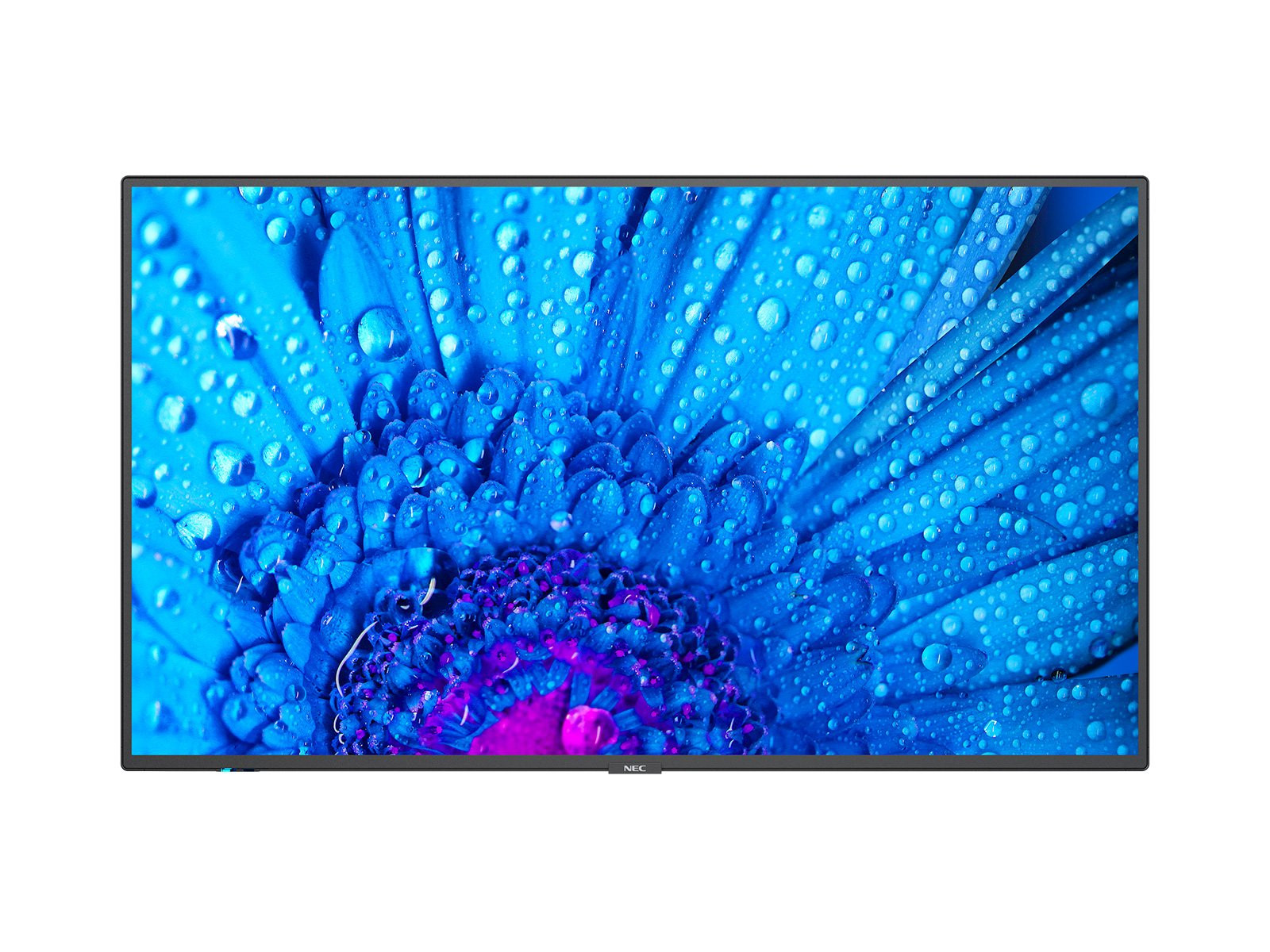
NEC Display Solutions is confronting this issue head-on with its latest generation of professional displays, integrating a High-Haze Screen technology. This article delves into the science and practical benefits of this advancement, exploring how it redefines clarity in non-ideal lighting conditions. We will move beyond basic anti-glare claims to understand how high-haze technology fundamentally enhances perceived contrast, reduces eye fatigue, and ultimately delivers a more reliable and immersive viewing experience where it matters most.
The Science of Sight: Why Glare Undermines Display Performance
To appreciate the innovation, one must first understand the problem. Traditional matte anti-glare coatings work by diffusing concentrated specular reflections—the sharp, mirror-like images of light sources. However, they are less effective against ambient diffuse light, the scattered illumination that uniformly washes over a screen. This haze of light raises the black level the viewer perceives, dramatically crushing contrast and making dark scenes appear gray and flat.
This degradation is quantified by a display's contrast ratio, typically measured in a dark room. In real-world, lit environments, the perceived or ambient contrast ratio plummets. The core visual challenge is therefore dualistic: combating both direct glare and the pervasive veil of ambient light. A solution must manage light at a microscopic level, controlling its path from source to viewer's eye without sacrificing image sharpness or color fidelity.
Deconstructing High-Haze Technology: Beyond Standard Anti-Glare
NEC's High-Haze Screen represents a sophisticated evolution of surface engineering. While standard matte finishes have a lower haze value, focusing on breaking up direct reflections, a high-haze panel incorporates a more pronounced, finely tuned textured layer. This layer acts as a superior light-diffusing filter. When ambient light hits the screen, it is scattered more widely and evenly across a broader angle.
The critical effect is that less of this scattered light is directed back along the path to the viewer's eye. Instead of reflecting directly into your line of sight, the disruptive light is dispersed sideways, effectively "trapped" and neutralized. This process preserves the integrity of the light emitted from the display's own pixels. The result is a screen that maintains deeper-looking blacks and more vibrant colors even under challenging lighting, because the competing ambient light has been minimized at the point of contact.
The User Experience: Enhanced Perceived Contrast and Visual Comfort
The technical achievement translates directly into tangible user benefits, chief among them being a significantly enhanced perceived contrast ratio. By suppressing the ambient light veil, the difference between the brightest whites and the darkest blacks that the eye can discern is vastly improved. For a financial trader, this means intricate charts and data points remain crisp against a dark background. For a video editor, it ensures accurate color grading and shadow detail.
Furthermore, this technology is a cornerstone of visual ergonomics. The constant effort to peer through glare and low contrast forces ocular muscles to work harder, leading to digital eye strain, headaches, and fatigue. By presenting a clearer, more stable image with reduced optical interference, the High-Haze Screen promotes longer, more comfortable viewing sessions. This is not just a feature—it's an investment in user well-being and sustained productivity.
Strategic Applications: Where High-Haze Screens Deliver Maximum Impact
The value of this technology is not universal but situational, shining brightest in specific professional arenas. Its application is strategic. In 24/7 Control Rooms and Security Operation Centers (SOCs), where lighting cannot be fully controlled and operators must monitor feeds for hours, high-haze displays ensure critical visual information is never compromised.
Similarly, in collaborative corporate settings like boardrooms and trading floors, and for creative professionals in design studios, the ability to view consistent, high-fidelity content from various angles and under mixed lighting is paramount. The technology also proves invaluable in public-facing digital signage located in bright atriums or retail windows, ensuring content punch and readability. In each case, the display adapts to the environment, rather than demanding the environment adapt to it.
NEC's integration of High-Haze Screen technology marks a significant step forward in display design, shifting the focus from ideal lab conditions to real-world visual performance. By meticulously controlling ambient light diffusion, these displays deliver a superior perceived contrast, translating into clearer, more reliable images and reduced visual fatigue for professionals. This innovation underscores a commitment not just to sharper specs, but to smarter, more human-centric viewing solutions. For any workflow where ambient light is a given and visual accuracy is non-negotiable, a high-haze display is no longer a luxury—it is an essential tool for achieving true visual clarity.


