In the competitive landscape of professional display technology, a critical barrier often separates innovative solutions from widespread adoption: cost. For manufacturers, integrators, and end-users seeking the unparalleled image quality, reliability, and brightness of laser projection, the initial investment can be prohibitive. This reality presents a fundamental challenge to the industry's growth and accessibility.
In the competitive landscape of professional display technology, a critical barrier often separates innovative solutions from widespread adoption: cost. For manufacturers, integrators, and end-users seeking the unparalleled image quality, reliability, and brightness of laser projection, the initial investment can be prohibitive. This reality presents a fundamental challenge to the industry's growth and accessibility.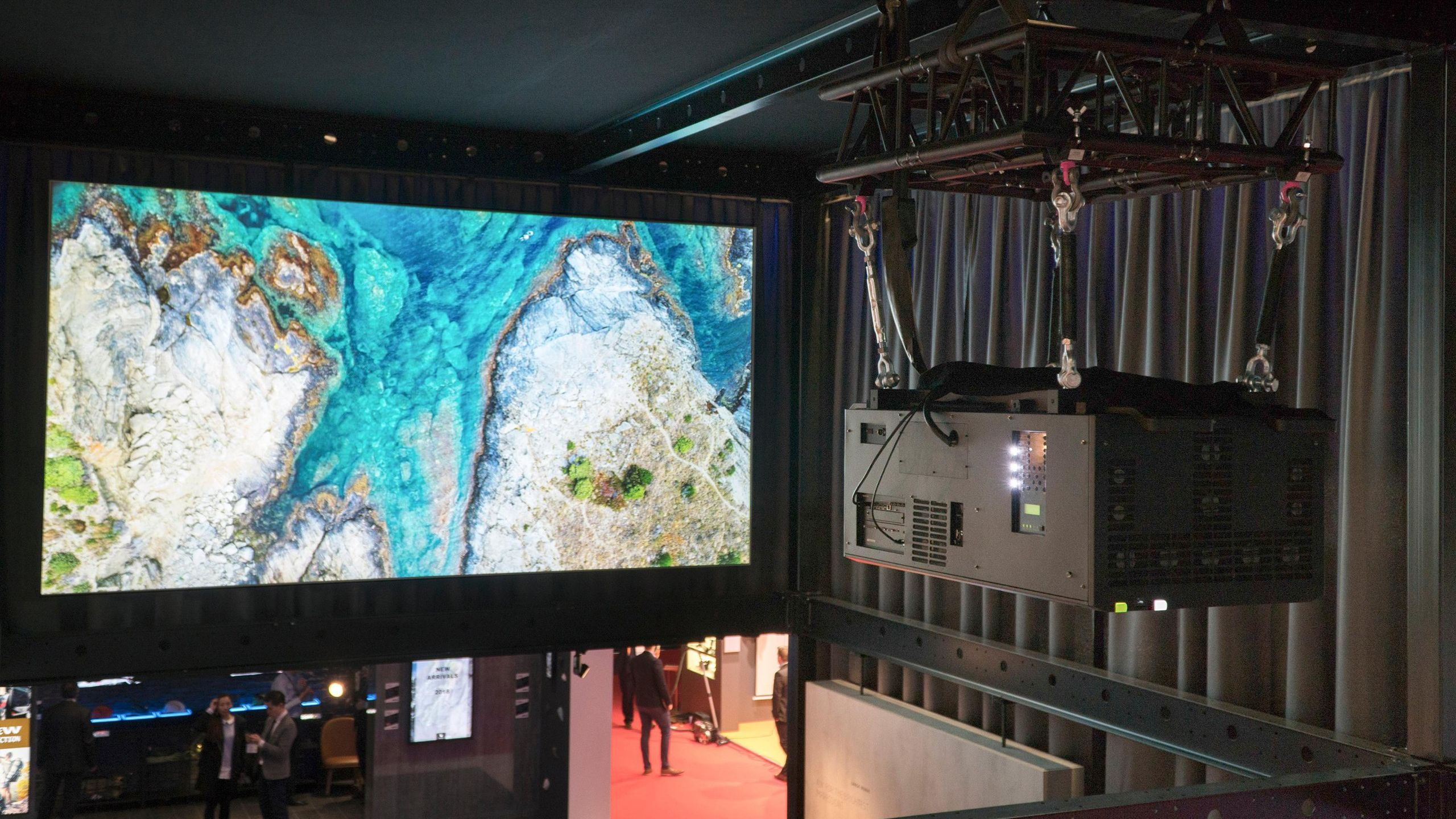 NEC Display Solutions, a leader in visual technology, is directly addressing this challenge through a strategic, multi-faceted initiative. The core theme of this article explores how NEC is continuously optimizing manufacturing and operational costs, not as an exercise in reduction, but as a deliberate mission. The ultimate goal is clear: to broaden access to high-quality laser projection solutions, enabling more organizations to leverage their benefits for education, enterprise, simulation, and entertainment. This journey from factory floor to final installation is reshaping value perception in the market.
Strategic Supply Chain and Vertical Integration
The foundation of cost optimization lies deep within the supply chain. NEC employs a strategy of strategic vertical integration and long-term partnerships with key component suppliers, particularly for the core laser phosphor illumination systems. By securing stable supply lines and investing in co-development, NEC mitigates the volatility of component pricing and gains greater control over the bill of materials.
This approach goes beyond simple procurement. It involves collaborative engineering to design for manufacturability, simplifying assembly processes and reducing the number of discrete parts. Furthermore, by standardizing core optical and laser modules across multiple projector series, NEC achieves significant economies of scale. This scalability allows the cost benefits of high-volume production to be realized across the product portfolio, from large-venue installations to compact classroom models, without compromising the proprietary optical quality NEC is known for.
Engineering for Efficiency and Longevity
Cost optimization is engineered into the product itself. NEC's laser projectors are designed with a holistic view of Total Cost of Ownership (TCO). The patented “Crystal Color Technology” and efficient optical engines deliver vibrant color and high brightness with lower power consumption compared to traditional lamp-based and some hybrid models. This reduces operational energy costs significantly over the projector's lifespan.
More critically, the elimination of lamps and filters—traditional consumables with recurring replacement costs and labor—directly slashes long-term expenses. The robust, sealed laser phosphor design ensures consistent light output for up to 20,000 hours with minimal maintenance. This engineering philosophy shifts the financial narrative from upfront price to long-term value, making the lifetime cost of a high-quality laser projection solution increasingly competitive and predictable for budget-conscious buyers.
Streamlined Manufacturing and Automated Processes
On the factory floor, continuous improvement principles are rigorously applied. NEC utilizes automated assembly lines and precision robotics for critical alignment and calibration processes. This automation ensures consistently high product quality while reducing manual labor costs and minimizing human error, which in turn decreases waste and rework.
The manufacturing process is also optimized for logistics. By designing projectors with modularity in mind, assembly and testing can be streamlined. Efficient packaging designs reduce material use and shipping volume, lowering both production overhead and transportation costs. These operational efficiencies, often invisible to the end-user, are essential in trimming costs without cutting corners, allowing savings to be passed through the distribution channel.
Market Expansion Through Tiered Product Strategy
The culmination of these efforts is a democratization of laser technology in the market. NEC has successfully broadened access by introducing a tiered range of laser projection solutions. This portfolio strategy addresses distinct market segments with tailored price-to-performance ratios.
At the entry level, feature-optimized models bring essential laser reliability and low TCO to price-sensitive environments like schools and small businesses. Mid-range offerings balance advanced features with compelling value, while flagship models push the boundaries of performance for demanding applications. This strategic segmentation ensures that cost optimization creates new points of entry rather than diluting the premium tier. It allows partners and customers to select the precise laser solution that fits their performance needs and budgetary reality, thereby expanding the total addressable market for quality projection.


