In the intricate world of industrial and embedded displays, specific components become the unsung heroes of reliability. One such component is the 6.5-inch 640*480 a-Si TFT-LCD module, designed as a direct replacement and upgrade path for the legacy NEC NL6448BC20-18 display. This article delves deep into this specialized LCD, moving beyond basic specifications to explore its technological foundation
In the intricate world of industrial and embedded displays, specific components become the unsung heroes of reliability. One such component is the 6.5-inch 640*480 a-Si TFT-LCD module, designed as a direct replacement and upgrade path for the legacy NEC NL6448BC20-18 display. This article delves deep into this specialized LCD, moving beyond basic specifications to explore its technological foundation, its critical role in system longevity, and the practical considerations for integration. We will examine why this particular form factor and technology remain relevant in an age of ultra-high-definition screens, focusing on its enduring value in applications where consistency, durability, and direct compatibility are paramount over sheer pixel count.
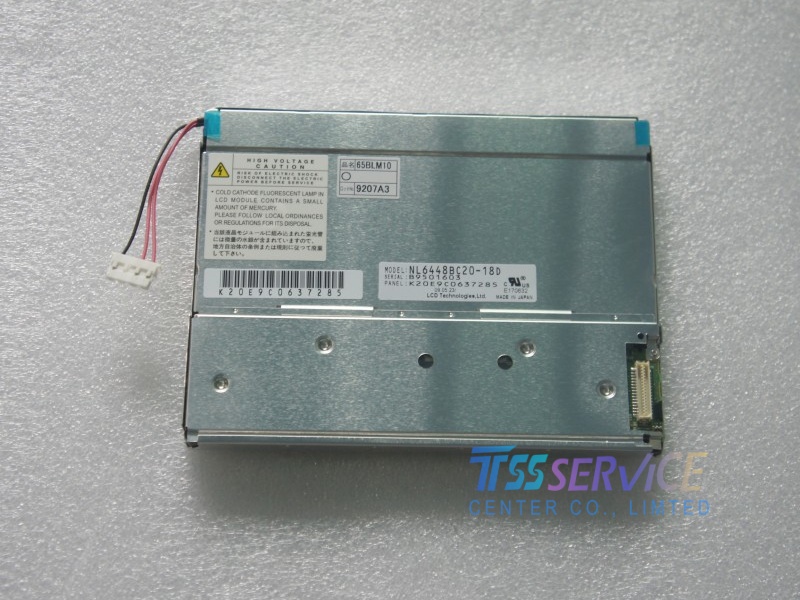
The journey of this display begins with its core technology: Amorphous Silicon (a-Si) TFT. Unlike the polycrystalline silicon used in modern smartphone displays, a-Si TFT is a mature, highly stable, and cost-effective technology for producing the thin-film transistors that control each pixel. For a 6.5-inch screen with a QVGA (640 x 480) resolution, a-Si technology offers a perfect balance. It provides sufficient switching speed and reliability for the module's 262K-color output without the complexity and cost of newer, denser technologies. The 6.5-inch diagonal with a 4:3 aspect ratio is a classic format, reminiscent of early digital interfaces and industrial control panels. This is not a coincidence; it represents a deliberate design choice for legacy system compatibility. The a-Si process ensures consistent performance over a wide temperature range and a long operational lifespan, which are non-negotiable in medical, industrial automation, and point-of-sale equipment—the very domains where the original NEC module was deployed.
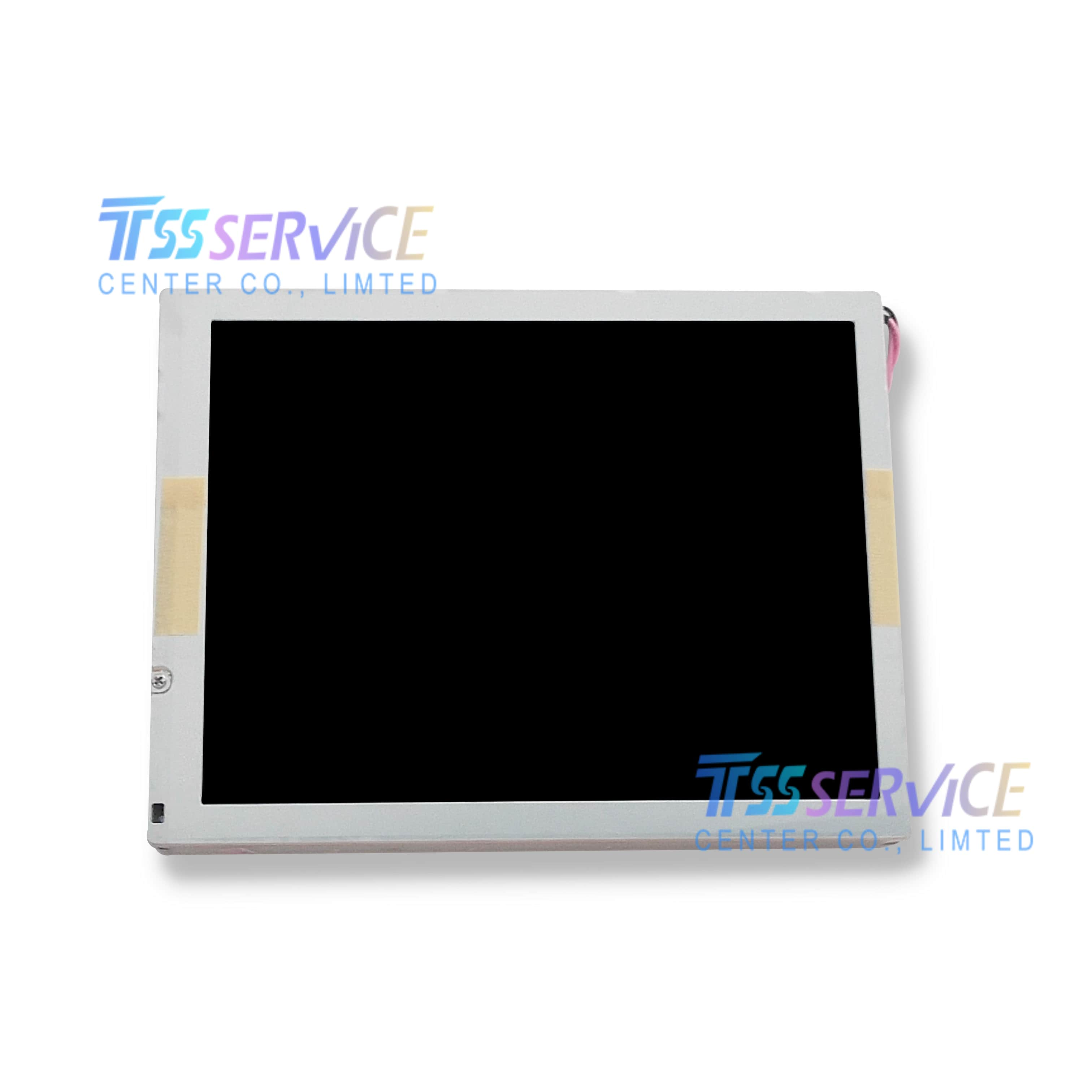
Understanding this LCD's purpose requires examining the NEC NL6448BC20-18 it is designed to replace. This NEC module was a workhorse in the 1990s and early 2000s, integrated into countless systems that are often still in operational use today. These systems, from diagnostic medical devices to factory floor HMIs, have lifecycles measured in decades. When the original display fails, sourcing a NOS (New Old Stock) module is risky and unsustainable. Therefore, a modern drop-in replacement becomes critical for extending the service life of capital equipment. The 6.5" 640*480 a-Si TFT is engineered not just to match the optical characteristics (size, resolution, viewing area) but, crucially, the mechanical footprint, connector interface, and power requirements. This allows engineers and technicians to perform a direct swap without redesigning the host system's enclosure, controller board, or firmware, thereby avoiding a prohibitively expensive full system upgrade
.
While direct replacement is a key value, modern iterations of this LCD module often incorporate enhancements that address the weaknesses of the original. The core a-Si TFT panel may feature improved LED backlighting, replacing older CCFL (Cold Cathode Fluorescent Lamp) systems. LEDs offer immediate benefits: lower power consumption, instant-on capability, a wider operating temperature range, and elimination of mercury. Furthermore, modern manufacturing yields panels with superior viewing angles (e.g., IPS or IPS-type technology) and higher brightness levels, improving readability in various environments. The interface board may also be refined for better electromagnetic compatibility (EMC) and signal integrity. These are not changes for the sake of novelty; they are targeted upgrades that solve real-world problems like backlight failure (a common point of wear) and limited viewing angles, thereby increasing the mean time between failures (MTBF) for the entire system.
Successfully integrating this replacement module involves several technical considerations. First is the interface compatibility. The original NEC module typically used a single-channel 6-bit RGB LVDS or TTL interface. Ensuring the pin-out and signal timing of the new module are identical is essential for plug-and-play functionality. Second, mechanical alignment is critical; the position of mounting holes, connector location, and bezel dimensions must be exact. Third, while the electrical parameters (voltage, current) are designed to match, verifying the power-on sequence and timing with the host system is a prudent step. Finally, for procurement, partnering with a specialist supplier who understands the legacy replacement ecosystem is vital. They can provide not just the module but also technical documentation, potential customization options (like specific connector types or brightness levels), and long-term availability guarantees, which are as important as the hardware itself for mission-critical maintenance.
The 6.5-inch 640*480 a-Si TFT-LCD module exemplifies how mature display technology continues to provide indispensable value in sustaining legacy industrial systems. Its design philosophy prioritizes long-term reliability, direct compatibility, and targeted performance enhancements over chasing the latest display trends. By offering a seamless upgrade path for the NEC NL6448BC20-18 and similar legacy modules, it protects investments, reduces electronic waste, and ensures the continuous operation of vital equipment. For engineers and procurement specialists in industrial, medical, and embedded fields, understanding this niche is key to implementing cost-effective and reliable lifecycle management strategies.


