In the intricate ecosystem of global electronics manufacturing, supply chain stability is the bedrock upon which production schedules and pricing models are built. For a venerable brand like NEC, renowned for its professional displays and solutions, a critical question emerges: Will fluctuations in the global panel supply market directly impact its production capacity and end-user pricing?
In the intricate ecosystem of global electronics manufacturing, supply chain stability is the bedrock upon which production schedules and pricing models are built. For a venerable brand like NEC, renowned for its professional displays and solutions, a critical question emerges: Will fluctuations in the global panel supply market directly impact its production capacity and end-user pricing? This is not merely a query about component sourcing but a deep dive into the resilience and strategy of a leading OEM. The panel, being the single most crucial and cost-intensive component of any display, inherently ties the fortunes of downstream manufacturers to the volatile upstream supply chain. This article will dissect the mechanisms of this dependency, exploring how NEC navigates these turbulent waters to maintain its market position and deliver value to its customers.
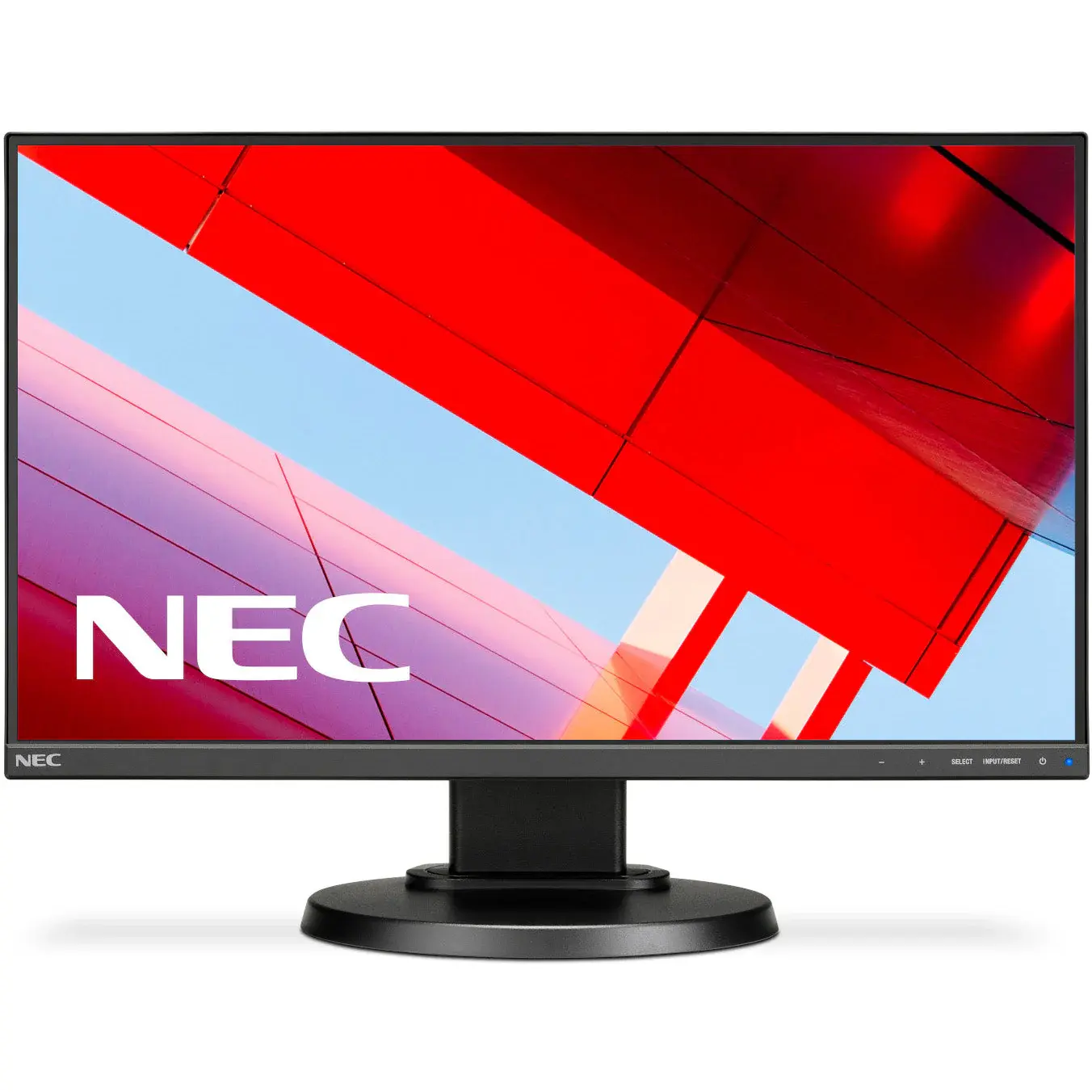
The Delicate Balance: Global Panel Supply as a Manufacturing Keystone
The global display panel market is characterized by its concentration and cyclicality. Dominated by a handful of large manufacturers primarily in East Asia, production is highly sensitive to factors like raw material costs (e.g., glass substrates, driver ICs), energy prices, geopolitical tensions, and shifts in consumer demand from larger sectors like televisions and smartphones. For a company like NEC, which does not operate its own panel fabs (fabrication plants), this creates a fundamental dependency. Panel supply fluctuations are not abstract market reports; they translate directly into procurement lead times, component availability, and bill-of-materials costs. A shortage or price hike in panels is not easily offset by sourcing alternative components, as the panel defines the core functionality of the product. Therefore, the stability of NEC's production pipeline is inextricably linked to its ability to forecast and secure reliable panel inventory amidst global market waves.
Strategic Insulation: How NEC Mitigates Production Capacity Risks
NEC does not passively accept market volatility. Its strategy to safeguard production capacity is multi-faceted, built on long-term partnerships and product architecture. Firstly, NEC leverages its scale and brand reputation to establish strategic, long-term supply agreements with key panel manufacturers. These agreements often include volume commitments and advanced forecasting, providing suppliers with predictable demand and offering NEC priority access and some buffer against spot-market shortages. Secondly, NEC's focus on the professional and enterprise market, as opposed to the hyper-competitive consumer space, allows for a more modular and planned product lifecycle. This enables strategic panel stockpiling for key models and reduces the frantic model turnover that exacerbates supply chain fragility. Furthermore, a degree of panel diversification across suppliers for different product lines prevents a single supplier's crisis from halting all production.
The Pricing Equation: From Component Cost to Market Value
The impact on pricing is a complex calculus. A sustained increase in panel costs inevitably exerts upward pressure on NEC's input costs. However, a direct, one-to-one pass-through to the customer is rarely the immediate or sole strategy. NEC's pricing reflects its value proposition: superior calibration, reliability, robust software, and professional after-sales support. Therefore, while panel costs are a significant factor, the final price also encapsulates this added value. In the face of panel price surges, NEC may initially absorb some margin compression to maintain market stability, especially for strategic contracts. However, prolonged inflationary pressure will likely necessitate gradual price adjustments. Conversely, in periods of panel oversupply and price drops, NEC may not proportionally slash prices but could instead invest the margin buffer into enhanced features, R&D, or promotional support, reinforcing its premium positioning rather than engaging in a race to the bottom.
Beyond the Panel: The Integrated Supply Chain and Future Outlook
Ultimately, assessing NEC's vulnerability requires a holistic view of its entire integrated supply chain. The company's resilience is not determined by panels alone. Disruptions in other critical components—such as semiconductors, power supplies, or even logistics—can be equally debilitating. NEC's mitigation efforts extend here, through sophisticated supply chain management and inventory optimization. Looking ahead, the industry's evolution also plays a role. The gradual shift towards new panel technologies like Mini-LED and direct-view LED, where the supply chain dynamics differ, may alter future risk profiles. Furthermore, NEC's continued investment in software-defined visual solutions and services represents a strategic move to add value less dependent on pure hardware component swings, potentially decoupling long-term revenue from the most volatile hardware cost factors.
In conclusion, fluctuations in global panel supply undeniably pose a significant challenge to NEC's operations, exerting tangible pressure on both production capacity stability and cost structures. However, through strategic long-term supplier partnerships, a focus on the predictable professional market, and a value-based pricing model, NEC constructs substantial buffers against market volatility. The company's resilience is a function of integrated supply chain management and a forward-looking product strategy that increasingly emphasizes solution value over component procurement. While panel markets will continue to ebb and flow, NEC's multifaceted approach positions it to navigate these cycles, ensuring consistent delivery to its clients and maintaining the premium integrity of its brand in the professional display landscape.


